

Biochar Production with Pyroclast® Technology
Turning Biomass Into High-Quality Biochar and Renewable Energy
Organics offers mobile pyrolysis solutions that convert agricultural and organic waste into biochar — a stable, carbon-rich material with numerous environmental applications. Our system is compact, transportable, and optimized for use in a wide range of locations, particularly in Southeast Asia.
Turning Biomass Into High-Quality Biochar and Renewable Energy
Organics offers mobile pyrolysis solutions that convert agricultural and organic waste into biochar — a stable, carbon-rich material with numerous environmental applications. Our system is compact, transportable, and optimized for use in a wide range of locations, particularly in Southeast Asia.
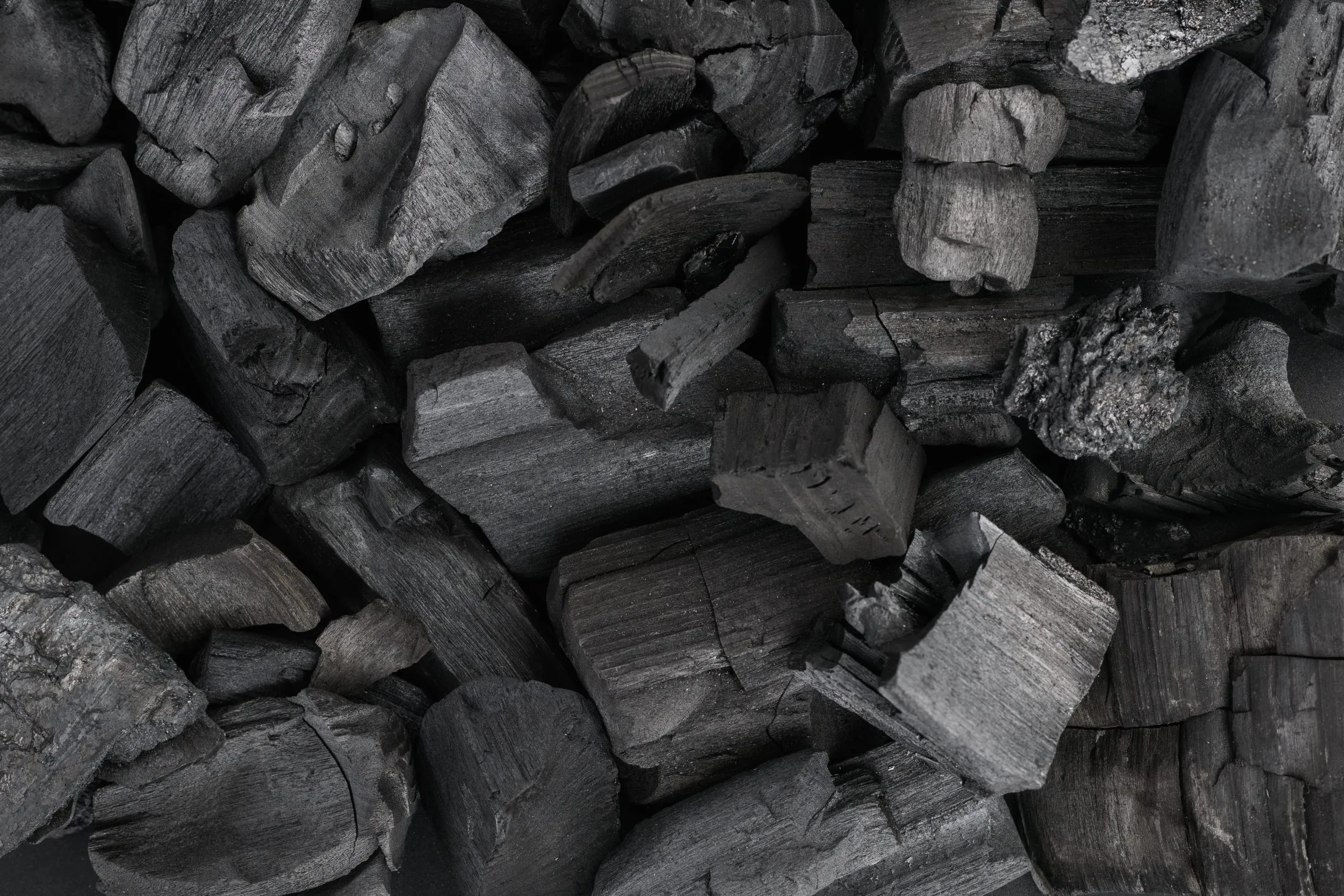
What Is Biochar?
Biochar is a form of carbon that remains after biomass is heated in a low-oxygen environment. This process, called pyrolysis, transforms agricultural waste into a valuable, environmentally beneficial product.
When added to soil, biochar can:
Improve water retention and aeration
Enhance soil structure
Reduce nutrient leaching
Create habitat for beneficial soil microbes
Our Technology: Pyroclast® Pyrolysis System
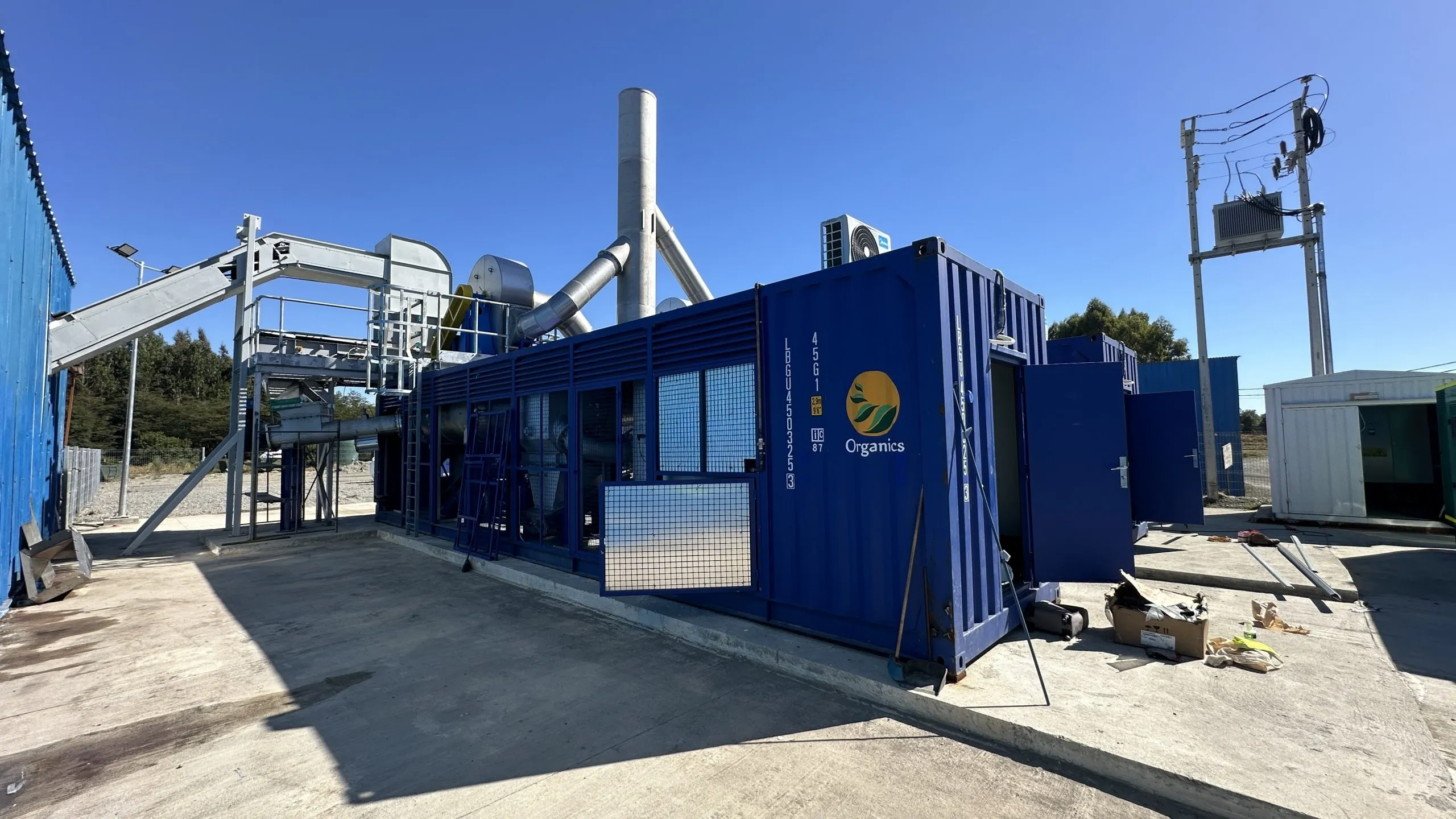
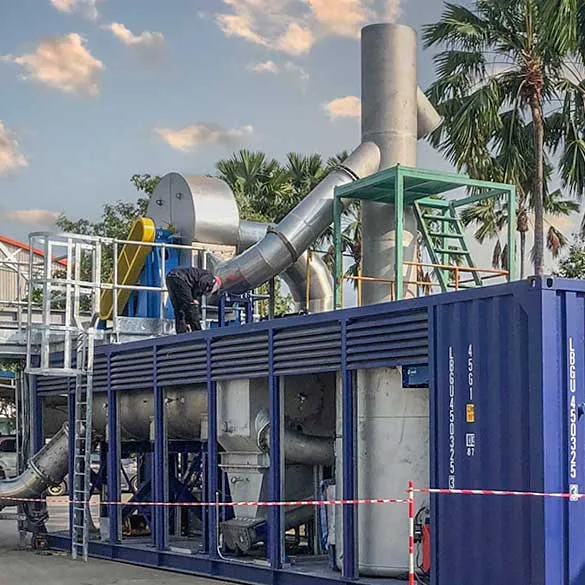
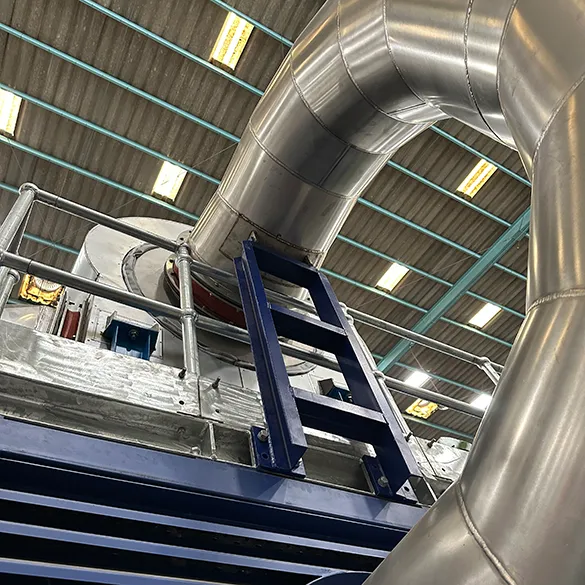
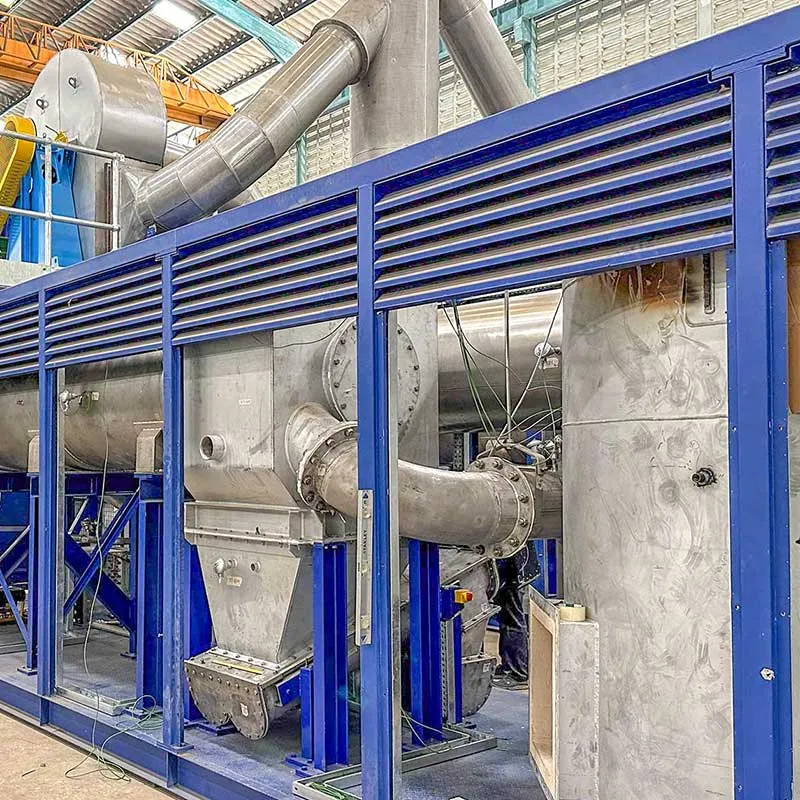
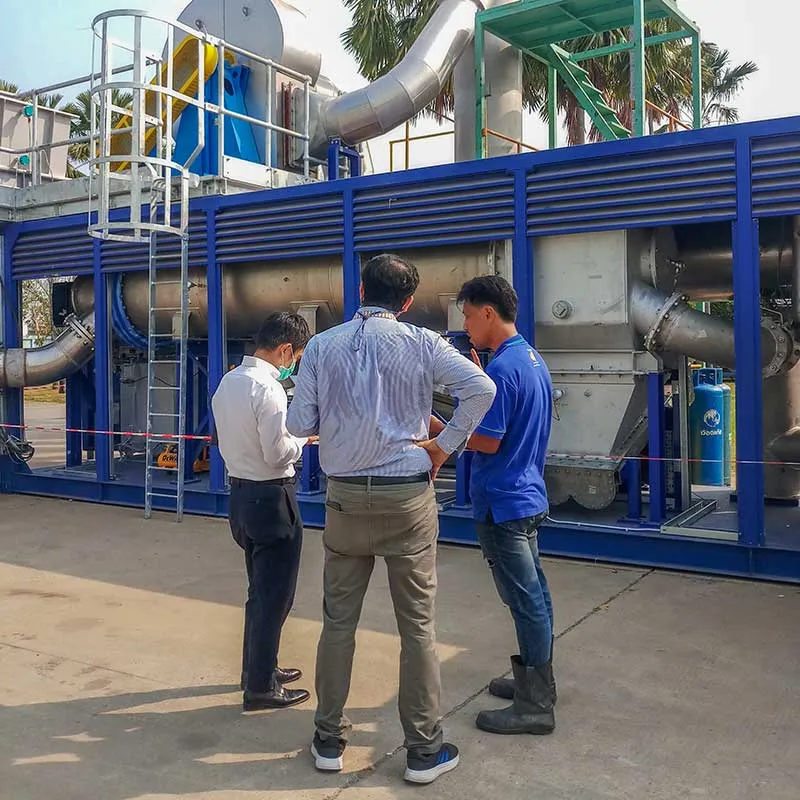
At the core of our solution is the Pyroclast® — a containerized pyrolysis unit engineered for flexibility and performance.
Key features:
- Operates between 450°C and 800°C
- Mobile design – based on a 20-foot ISO container
- Accepts a variety of agricultural and organic feedstocks
- Recovers syngas from biomass for clean energy use
- Continuous feed and discharge operation
This unit is ideal for decentralized waste processing, allowing users to generate energy and soil products locally, with minimal infrastructure.
Applications of Biochar
Biochar produced using our Pyroclast® technology is versatile and can be used in a wide range of industries:
Biochar for Soil and Agriculture
Biochar enhances soil in various ways:
- Soil Improvement: Biochar boosts soil fertility, water retention, and nutrient availability while supporting beneficial microorganisms for plant growth.
- Nutrient Retention: With a high cation exchange capacity, biochar retains essential plant nutrients, preventing their runoff and ensuring sustained plant access.
- pH Regulation: Biochar can modulate soil pH based on its source, aiding in optimal plant growth and nutrient absorption.
- Disease and Pest Management: Biochar promotes beneficial microbial growth that can counter pathogens and offers a physical barrier against certain pests.
- Water Management: Biochar enhances soil’s water retention, benefiting plants in drought-prone or sandy areas.
However, biochar’s impact varies with its type, soil, climate, and crops. It’s advised to account for local conditions and seek expert advice when applying biochar in agriculture.
Industrial & Construction Use
Biochar’s integration into construction materials like concrete, cement, and asphalt is a growing research area with sustainability and carbon sequestration benefits.
- Concrete: Researchers are testing biochar as a partial cement substitute in concrete, which may decrease density, enhance insulation, strengthen mechanically, and offset carbon emissions from cement production.
- Cement: By replacing a portion of cement with biochar, we can potentially produce low-carbon cements, reducing their carbon footprint.
- Asphalt: Incorporating biochar into asphalt might increase its durability and resistance while sequestering carbon.
Biochar can lower the carbon footprint of construction materials, but its use should align with industry standards for optimal sustainability and performance. Ongoing research aims to refine these applications for broader use.
Environmental & Climate Benefits
Biochar, a carbon-rich material, is made by heating biomass without oxygen. It aids in carbon sequestration through:
- Carbon Capture: Pyrolysis of organic materials like agricultural waste produces carbon-rich biochar, preventing CO2 release.
- Long-Term Carbon Storage: Biochar, when added to soil, acts as a durable carbon sink, storing carbon for decades to centuries.
- Soil Improvement: Biochar enhances soil water retention, nutrient cycling, and microbial activity, promoting plant growth.
- Reduction of N2O Emissions: In agricultural soils, biochar can lower emissions of nitrous oxide, a potent greenhouse gas.
- Co-Benefits: Biochar boosts agricultural sustainability by reducing nutrient runoff and decreasing synthetic fertilizer dependency.
The effectiveness of biochar in carbon sequestration varies based on factors like feedstock type, production methods, and soil conditions. A holistic view of biochar systems, including biomass sourcing and energy for pyrolysis, is essential for sustainability.
Carbon Credit from Biochar Production
Production of biochar from biomass residues prevents a large part of the carbon contained in the biomass from escaping into the atmosphere. The Pyroclast locks in up to 3 t CO₂ per tonne of biochar (with approx. 80% C-content for more than 1000 years.
If this biochar and the CO₂ bound in it is put into a permanent carbon sink as a soil improver or filler, the recycler receives carbon offset credits.
Biochar as a Carbon Sink
Not only does pyrolysis reduce the volume of waste material, but it also allows for greater energy recovery potential. Because air is not used in the primary reduction of waste, the facility footprint can be smaller than an equivalent capacity incinerator.
The approach adopted by Organics has been implemented in several locations and has stood the test of time. The technology is proving to be a major contributor to the battle against climate change as it is an effective tool for the long-term removal of carbon from the atmosphere. It also provides a useful product for use in agriculture and contaminated land recuperation; all of which are features of an effective implementation of the circular economy.
BIOCHAR PYROLYSIS PROJECT PORTFOLIO
Engineering
Organics offers a complete design and engineering service to ensure that our clients achieve optimum operating conditions. Our track record speaks for itself: over thirty years of providing bespoke engineering solutions to protect both the environment and the bottom line.
Let’s Build Your Pyrolysis Biochar Solution
Let our team guide you step-by-step — from specs to strategy — toward a successful pyrolysis biochar project.
Get Ballpark Calculator