

Our integrated biogas anaerobic digester and biogas upgrade technology transform waste streams such as POME, food waste, and agricultural residues into premium-grade biomethane or bioCNG.
Move beyond conventional biogas power plants — unlock higher energy yields, lower emissions, and stronger project returns.
From Waste to High-Value Energy
By integrating upgrading technology, you maximize energy recovery, improve project economics, and reduce greenhouse-gas emissions.
Biogas Production – High-yield biodigesters and anaerobic digesters efficiently convert waste into raw biogas.
Biogas Upgrading – Our systems remove CO₂, H₂S, moisture, and other impurities to produce grid-quality biomethane.
Flexible End-Use – Upgrade your biogas digester to fuel vehicles with bioCNG, inject renewable gas into the pipeline, or power combined-heat-and-power units.
Feedstock Versatility – Optimized for biogas from POME, food waste, agricultural residues, and other organics.
How Our Waste-to-Energy Plant Works
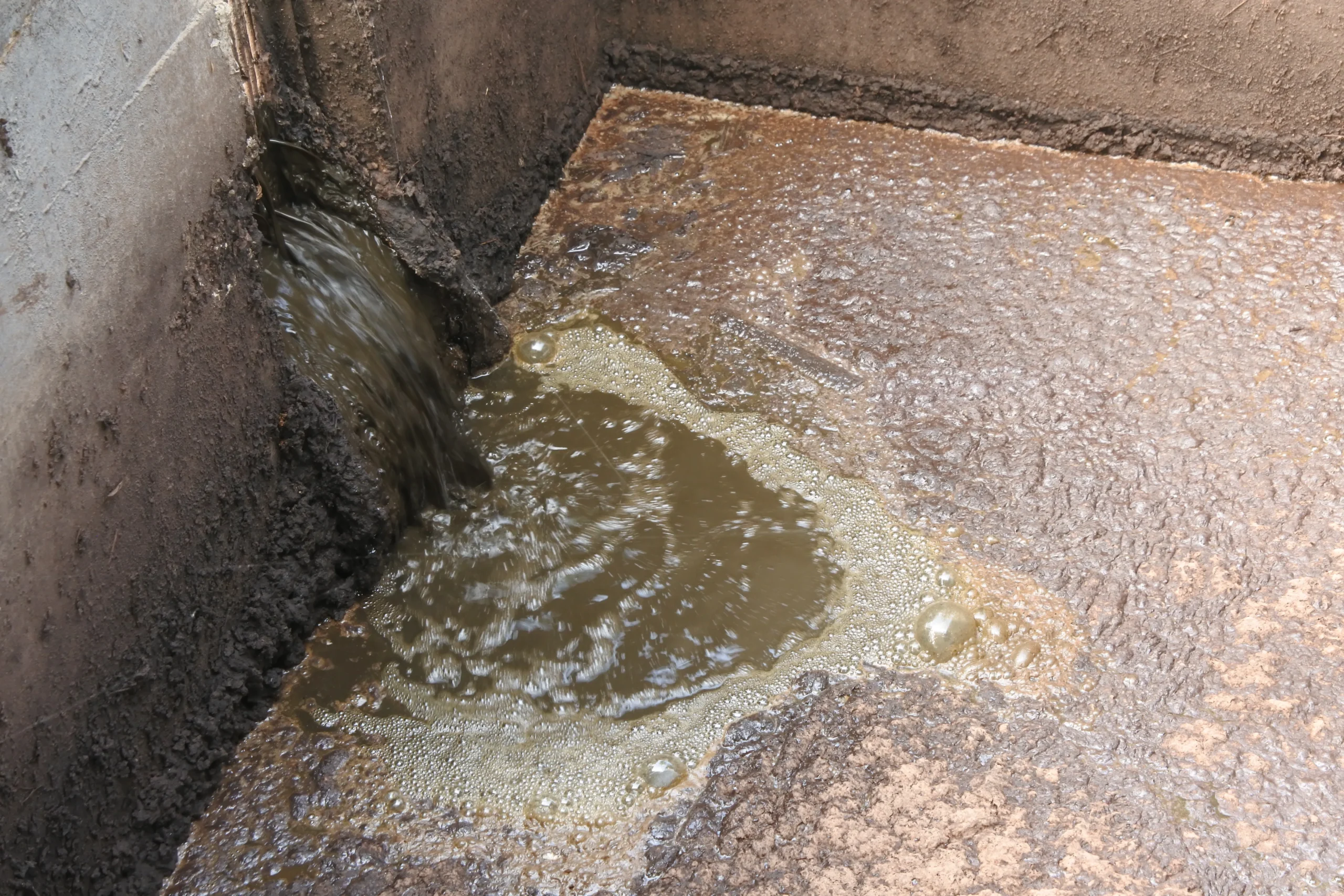
At Organics, we guide industries through the entire journey — from waste management to renewable energy use.
Our integrated approach ensures that every stage adds value, reduces emissions, and creates new revenue streams.
Collection & Pre-Treatment – Collect food waste, POME, and other organic waste.
Anaerobic Digestion – Our robust biogas anaerobic digester breaks down the waste to generate raw biogas.
Biogas Upgrading – Advanced membranes and scrubbers purify the gas to >95% methane for biomethane / bioCNG.
Utilization – Use upgraded gas for transport fuel, inject into the natural gas grid, or supply to industry.
Nutrient Recovery – Digestate provides a sustainable fertilizer alternative.
Biogas Upgrade Technology
Organics biogas upgrade solutions maximize energy recovery, reduce greenhouse-gas emissions, and improve project economics.
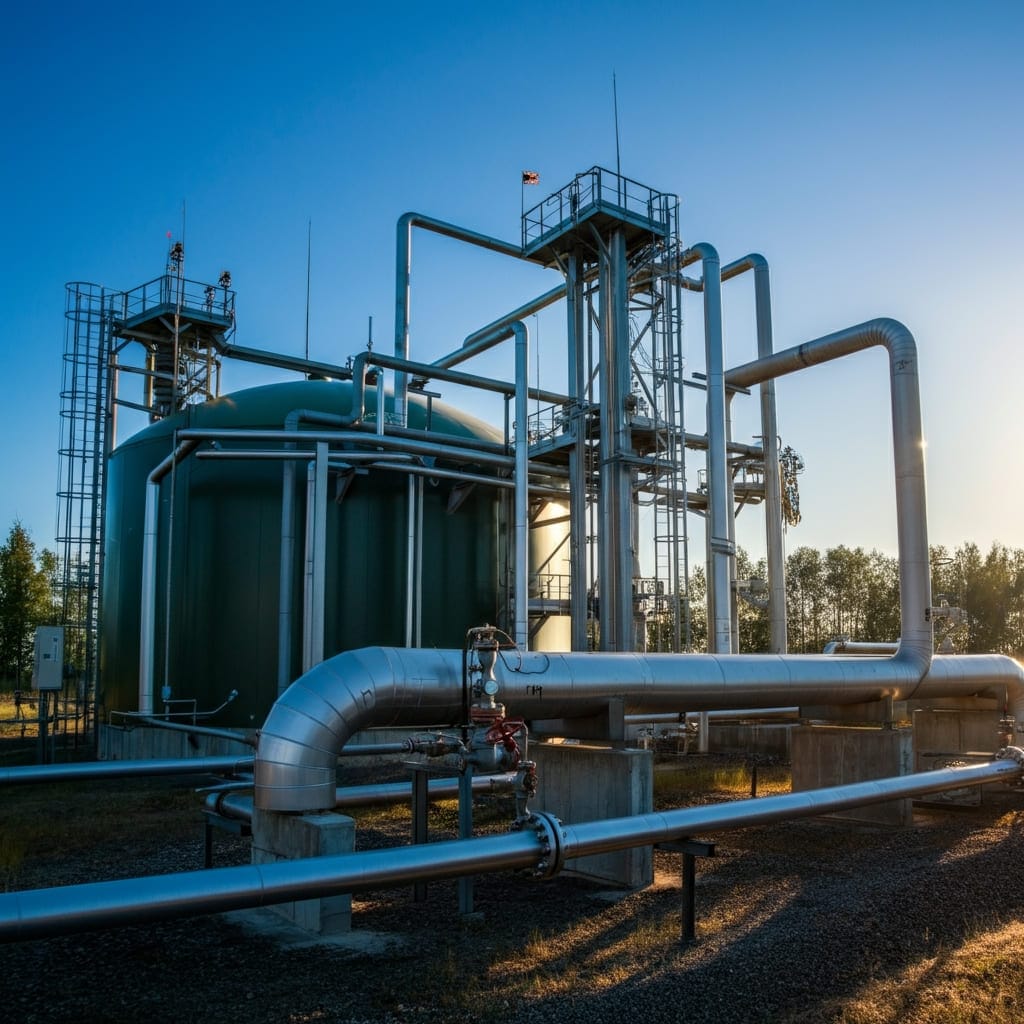
Key Features
Modular and scalable systems
Low energy consumption and high methane recovery
Compliance with pipeline and transport fuel standards
Reduced OPEX through advanced membrane and water-scrubbing technologies
Seamless integration into new or existing biogas plants
Comparison of Upgrading Technologies
A quick overview of leading technologies for upgrading raw biogas into high-purity compressed biomethane (CBM) / bioCNG. Use this guide to evaluate performance, efficiency, and suitability for different feedstocks like POME and food waste.
| Technology | Methane Recovery | Energy Use | Typical Scale | Strengths / Notes |
|---|---|---|---|---|
| Membrane Separation | High (≥95%) | Low | Small–Large | Compact, modular system with low OPEX. Best for sites with limited space and variable gas flow. |
| Water Scrubbing | Medium–High (90–96%) | Moderate | Medium–Large | Reliable and proven for mixed feedstocks. Requires water management and pretreatment for H₂S. |
| PSA (Pressure Swing Adsorption) | High (≥95%) | Moderate | Large | Robust for continuous, large-scale operation; delivers pipeline-grade biomethane. |
| Chemical Scrubbing (Amines) | High (≥95%) | Higher | Large | Effective for high-CO₂ gas streams; higher CAPEX/OPEX with chemical handling requirements. |
| Cryogenic Separation | Very High (>99%) | High | Large–Industrial | Achieves highest purity and enables methane liquefaction; ideal for projects requiring LNG/Bio-LNG. |
Download the full version to explore technical details, performance data, and case studies.
Calculator: Plan with Confidence

Understand the business case for your waste-to-energy plant.
Our online calculator helps you model:
- Biogas yield based on feedstock (e.g., food waste, POME, agricultural residues)
- Energy output for biogas power plants, biomethane, or bioCNG
- Capital and operating costs
- ROI, payback period, and carbon-emission savings
Understand the business case for your waste-to-energy plant.
Our online calculator helps you model:
Why Partner with Us?
Decades of experience delivering biogas power plants worldwide
Custom solutions for diverse feedstocks including biogas from POME and food waste
End-to-end support from feasibility study to operation
Proven track record in maximizing methane recovery and reducing emissions


