POME Waste to Biogas – PT EVANS

POME Waste to Biogas – PT EVANS

Digester Biogas dari Palm Oil Mill Effluent (pome)

PT EVANS

East Kalimantan

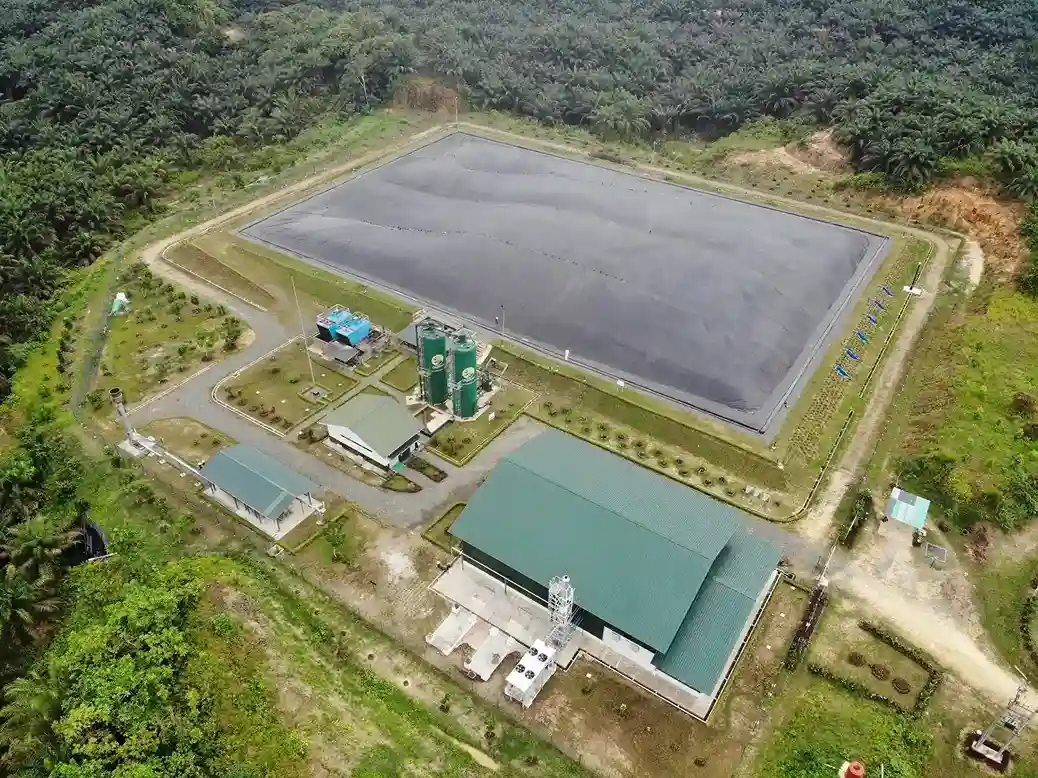
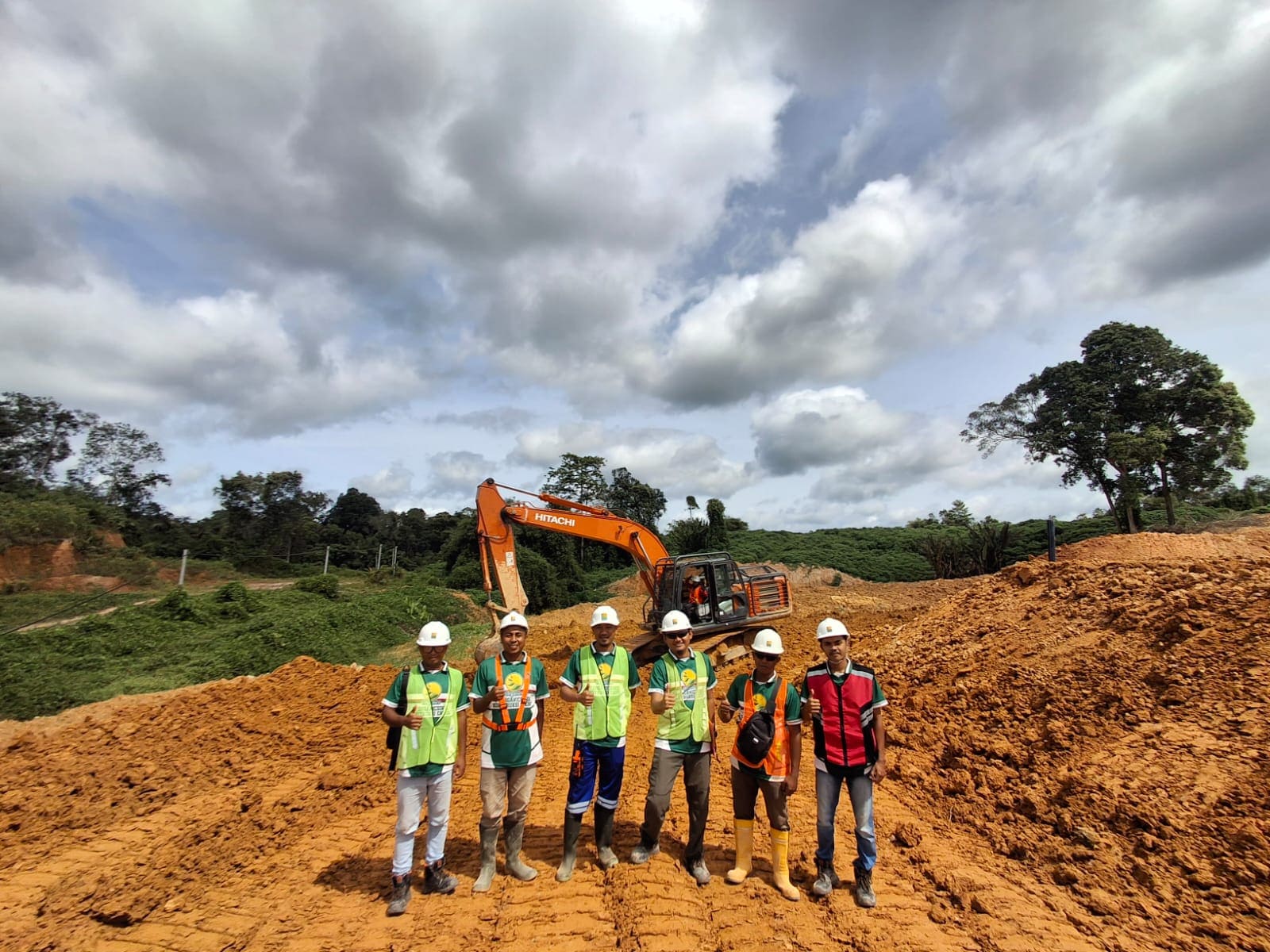
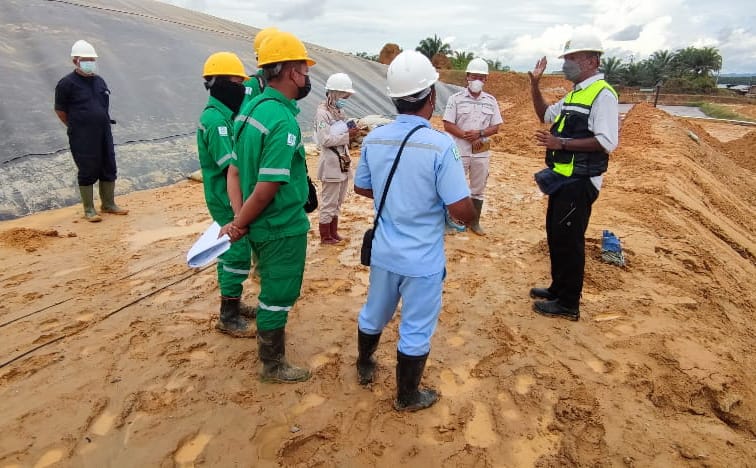
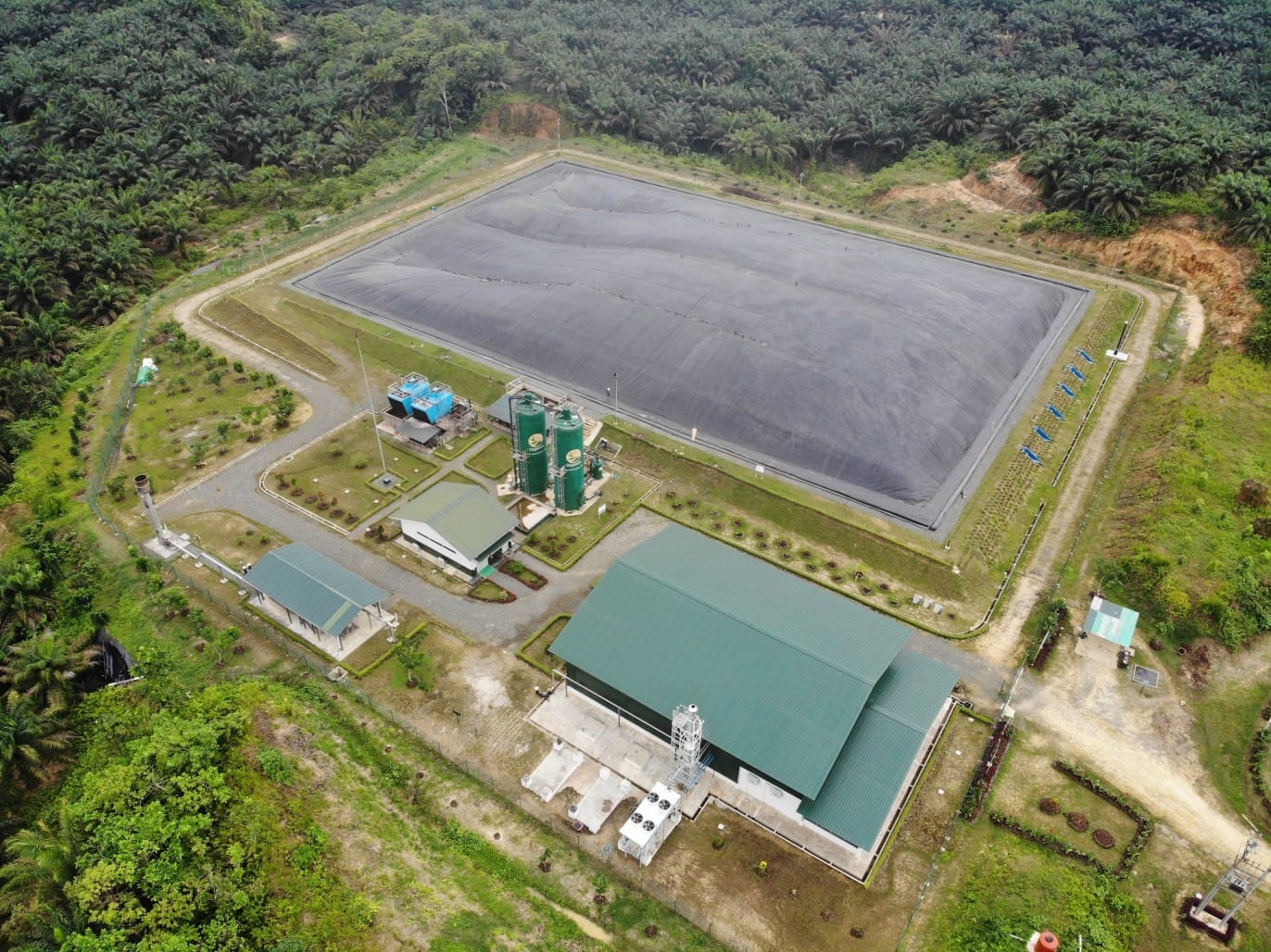
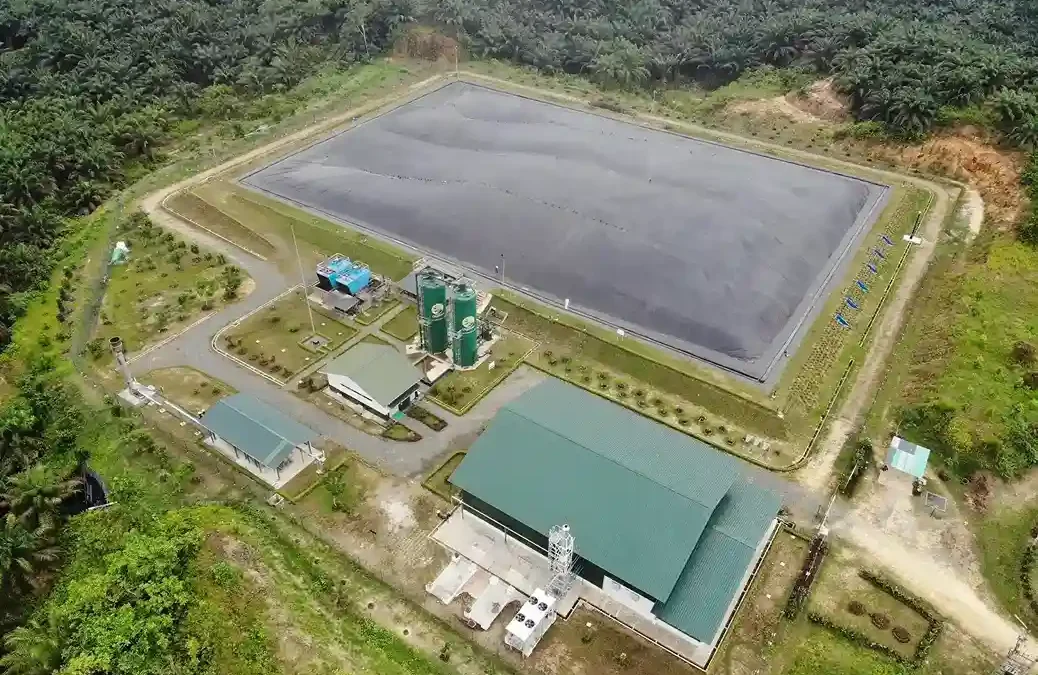
The project was for the design, installation, and commissioning of a Closed Lagoon Bio-Reactor (CLBR) for the treatment of palm oil mill effluent (POME).

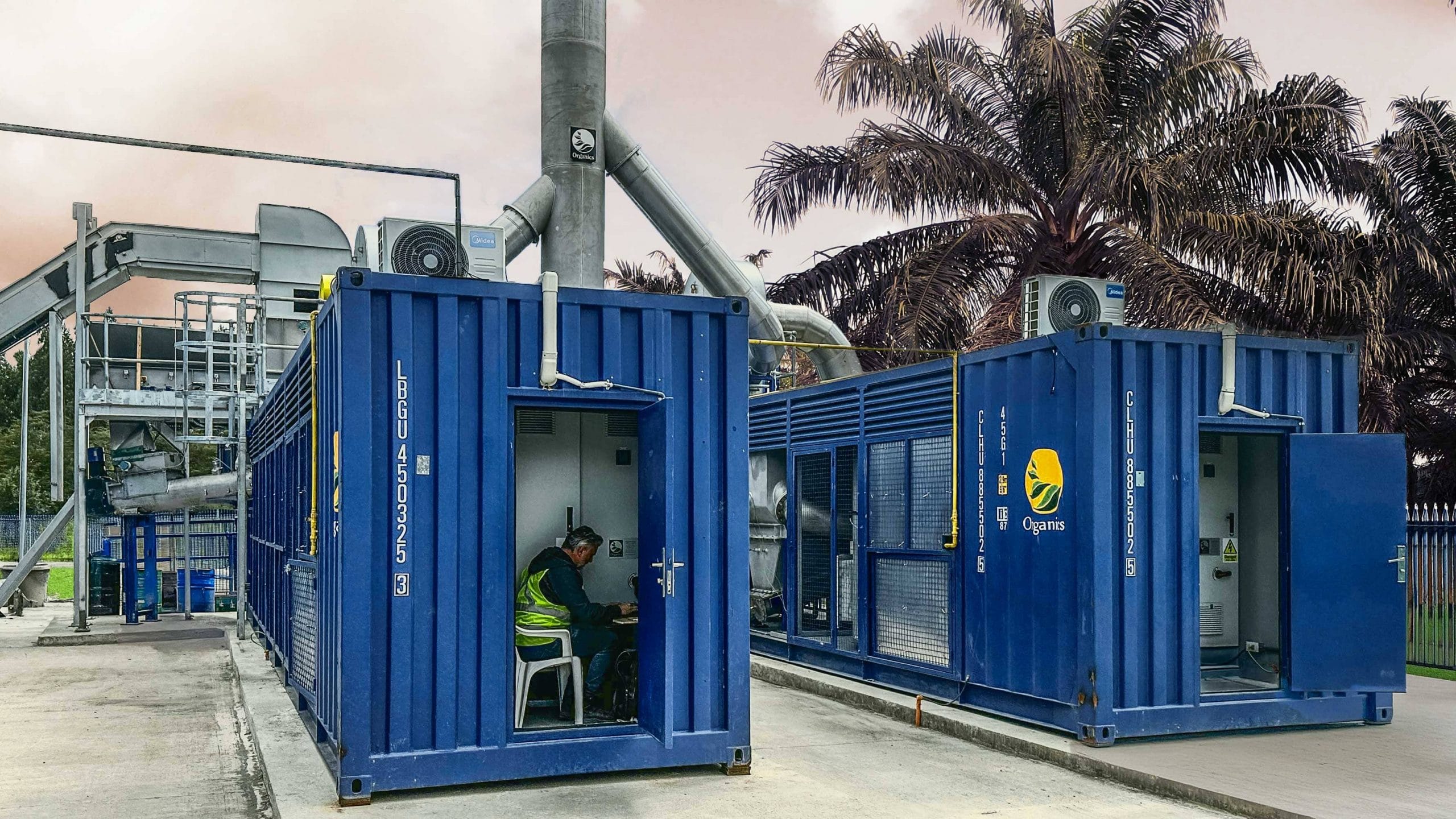
The objective of the project was to meet the environmental and operational objectives of the managing company. High levels of COD can be converted into biogas using a process of Anaerobic Digestion (AD). This involves maintaining the effluent produced by the palm oil fabrication process being retained in a covered lagoon for a period of up to 30 days. The process results in the conversion of COD into biogas, with a methane content of around 60%. Rather than being emitted into the atmosphere, the methane is collected and used in spark-ignition engines to provide energy to the mill.

This not only reduces the environmental impact of the process, but also results in an improvement in the operational efficiency of the plant.

Project Specification

  • The project was designed to treat the palm oil effluent produced from the production of palm oil.
  • The mill handles 60 tonnes per hour of fresh fruit bunch generating 600m3 of wastewater a day.
  • The lagoon was designed to accommodate 23,300m3 of wastewater from a factory that processes 60 tonnes per hour of Fresh Fruit Bunch.
  • It was designed to handle up to 34,370Nm3/day (1,432Nm3/hour)  of biogas, the equivalent of 2.9 MWe.
  • Total project budget, including permissions, land preparation and power generation equipment of USD $4 million.

Impact

reduce energy emission cofiring

POME Waste to Biogas – PT EVANS

POME Waste to Biogas – PT EVANS

Digester Biogas dari Palm Oil Mill Effluent (pome)PT EVANSEast KalimantanThe project was for the design, installation, and commissioning of a Closed Lagoon Bio-Reactor (CLBR) for the treatment of palm oil mill effluent (POME). The objective of the project was to meet...
Work With Experts in Waste to Energy Project – Contact Us Now!

organics

ORGANICS ASIA COMPANY LIMITED

CONTACT US

Head Office

51/282 Moo 7,

Mueang Ake - Phase 1,

Viphawadee - Rangsit Road,

T. Lak Hok. Mueang,

Pathumtani 12000

ORGANICS GROUP

Data Privacy and Protection Policy

Organics Privacy Policy

Updated June 2025
Advancing Sustainable Agriculture: The Role of EFB Biochar in Fertilizer Reduction

Advancing Sustainable Agriculture: The Role of EFB Biochar in Fertilizer Reduction

Biochar derived from empty fruit bunches (EFB) of oil palm is gaining attention as a natural and sustainable solution to tackle various agricultural challenges. This innovation not only enhances soil quality and crop yields but also helps reduce the environmental impact of chemical fertilizers and greenhouse gas emissions. This article explores the benefits of EFB biochar, the challenges of its implementation, and its great potential in supporting sustainable farming practices, particularly in Southeast Asia.


This blog is derived from : SAWIT INDONESIA VOL.XIII EDISI 160 – 15 FEBRUARI / 15 MARET 2025
.
Written by Organics. Any reproduction or distribution of content without permission is prohibited.

Interested in the full Biochar article? Contact us to download the complete version!

[contact-form-7 id=”a484569″ title=”SAWIT vol XIII no 160″]

Recent Post

POME Waste to Biogas – PT EVANS

Digester Biogas dari Palm Oil Mill Effluent (pome)PT EVANSEast KalimantanThe project was for the design, installation, and commissioning of a Closed Lagoon Bio-Reactor (CLBR) for the treatment of palm oil mill effluent (POME). The objective of the project was to meet...

EFB biochar offers an innovative way to reduce dependency on chemical fertilizers while improving soil fertility. Produced through pyrolysis—a process that heats biomass in low-oxygen conditions—biochar retains essential nutrients such as potassium, phosphorus, and carbon. When applied to soil, it improves structure, enhances water and nutrient retention, and supports microbial activity.


Organics Pyrolysis - PyroclastTM

The porous nature of biochar helps hold water and nutrients, making it especially effective in reducing nutrient loss in erosion-prone areas. When used alongside chemical fertilizers, biochar creates a synergistic effect that boosts nutrient uptake efficiency and lessens the environmental footprint of intensive farming.

Beyond soil benefits, biochar also plays a vital role in climate change mitigation. Its stable carbon structure enables long-term carbon storage in the soil. In rice cultivation, biochar has shown potential to reduce methane emissions by up to 43%, while still improving yields—a promising approach to lowering the environmental impact of rice production.

Despite its benefits, widespread adoption of biochar faces challenges, particularly high production costs and limited awareness among smallholder farmers. Financial support, targeted policies, and educational outreach are essential to encourage its use. Further research is also needed to tailor biochar applications to different agricultural systems.

With proper support, EFB biochar holds great promise in building a more resilient, efficient, and environmentally friendly agricultural future in regions like Southeast Asia.


Interested in the full Biochar article? Contact us to download the complete version!

[contact-form-7 id=”a484569″ title=”SAWIT vol XIII no 160″]

Work With Experts in Waste to Energy Project – Contact Us Now!

Benefits of Biochar: A Multifaceted Approach to Carbon Dioxide Removal (CDR) Through Biomass Pyrolysis and Carbon Sequestration 

Benefits of Biochar: A Multifaceted Approach to Carbon Dioxide Removal (CDR) Through Biomass Pyrolysis and Carbon Sequestration 

Recent Post

POME Waste to Biogas – PT EVANS

Digester Biogas dari Palm Oil Mill Effluent (pome)PT EVANSEast KalimantanThe project was for the design, installation, and commissioning of a Closed Lagoon Bio-Reactor (CLBR) for the treatment of palm oil mill effluent (POME). The objective of the project was to meet...

Biochar Roles in Mitigating Climate Change 

Biochar plays a crucial role in environmental management by aiding carbon dioxide removal (CDR) and reducing greenhouse gas emissions. Through photosynthesis, plants absorb carbon dioxide (CO2), storing carbon within their structures while releasing oxygen into the atmosphere. However, when plants die or are cut down, this stored carbon typically returns to the atmosphere as CO2. Although it is not fossil CO2, it still contributes to global warming. 

Biochar offers a solution through two primary mechanisms:

Carbon Sequestration 

During pyrolysis, organic materials are heated in the absence of oxygen, converting them into biochar and releasing volatile gases. This process effectively fixes carbon that would otherwise be released as carbon dioxide (CO2) into the atmosphere, in the form of char. [1] 

Long-Term Carbon Storage 

Once applied to soil, biochar serves as a long-term carbon sink due to its resistance to decomposition. This method of treating organic material can sequester carbon for decades or even centuries, preventing its re-entry into the atmosphere through natural decay processes, thereby facilitating carbon dioxide removal (CDR). 

Climate change impact (https://www.noaa.gov/)

Additionally, biochar helps to mitigate Greenhouse Gas emissions and Waste Management: 

Greenhouse Gas Reduction:  

Beyond carbon sequestration, biochar helps mitigate nitrous oxide (N2O) emissions, another potent greenhouse gas. By improving soil nutrient retention and creating a stable environment for beneficial microorganisms, biochar minimizes the production and release of N2O. [1] 

Waste Management:  

Biochar production effectively utilizes organic waste, such as agricultural residues and forestry waste, diverting it from landfills and promoting a circular economy. ​(PLC, 2024)​ 


Applications of Biochar in Agriculture

Applications of Biochar in Agriculture

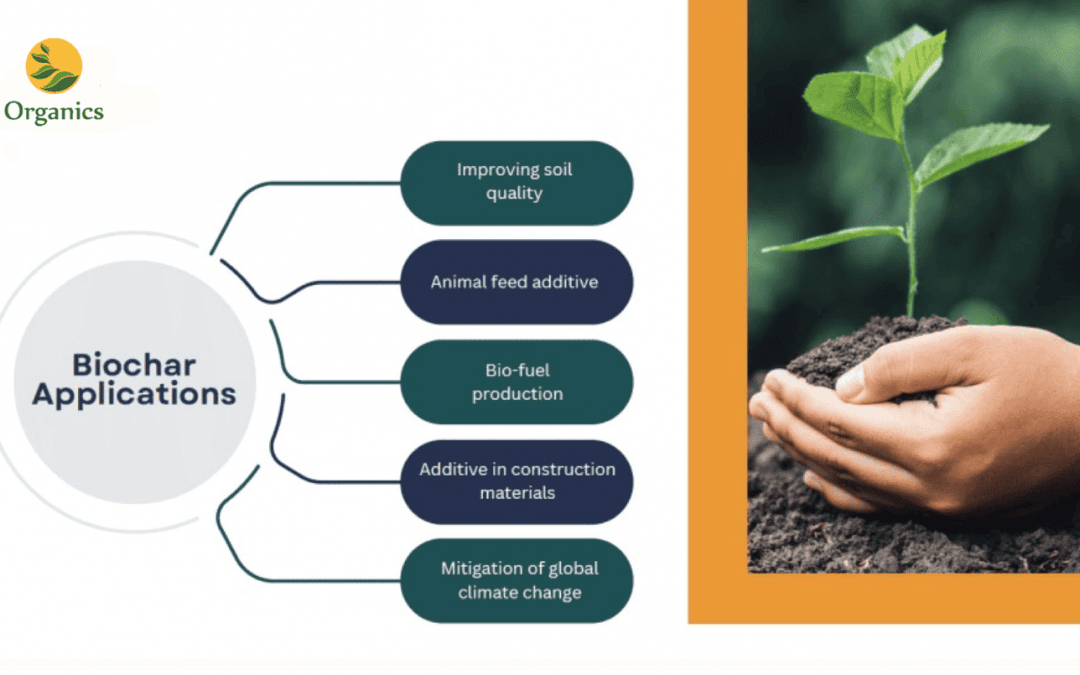
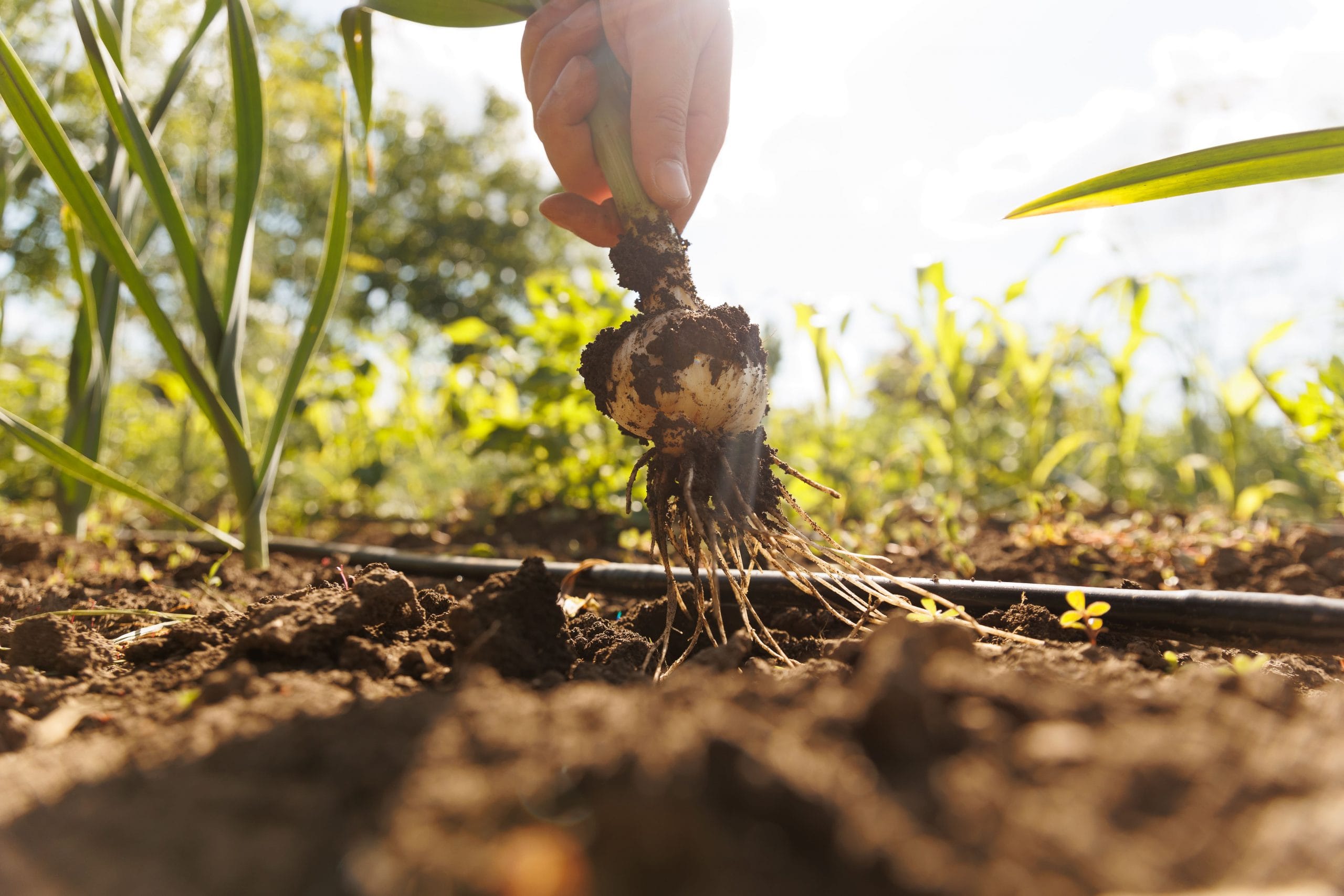
Biochar enhances agricultural productivity by improving soil health, increasing water retention, promoting nutrient cycling, and fostering microbial activity. This not only supports healthier and more productive soils but also contributes to carbon dioxide removal (CDR) by carbon sequestration in the soil. 

Soil Health Improvement 

Biochar enhances soil water retention, nutrient cycling, and microbial diversity, which leads to more productive soils. Its porous structure also creates a habitat for beneficial microbes that aid plant growth and suppress harmful pathogens. [1] 

Nutrient Retention 

With its high cation exchange capacity (CEC), biochar retains vital nutrients such as potassium, phosphorus, and calcium. By preventing nutrient runoff and leaching, it ensures plants receive a steady supply of nutrients over time. [2] 

pH Regulation 

Biochar influences soil pH depending on its source. It can be neutral, slightly alkaline, or acidic, helping regulate soil pH and optimize conditions for plant growth and nutrient absorption. [3] 

Disease and Pest Management 

By enhancing microbial diversity in the soil, biochar indirectly helps control diseases and pests. Beneficial microbes thrive in biochar-amended soils, suppressing harmful pathogens, while biochar’s porous structure can act as a barrier against some pests. [4] 

Water Conservation 

Biochar retains moisture and nutrients, helping to combat drought and increasing food security. This makes it particularly beneficial in drought-prone regions or sandy soils with poor water retention. [1] 

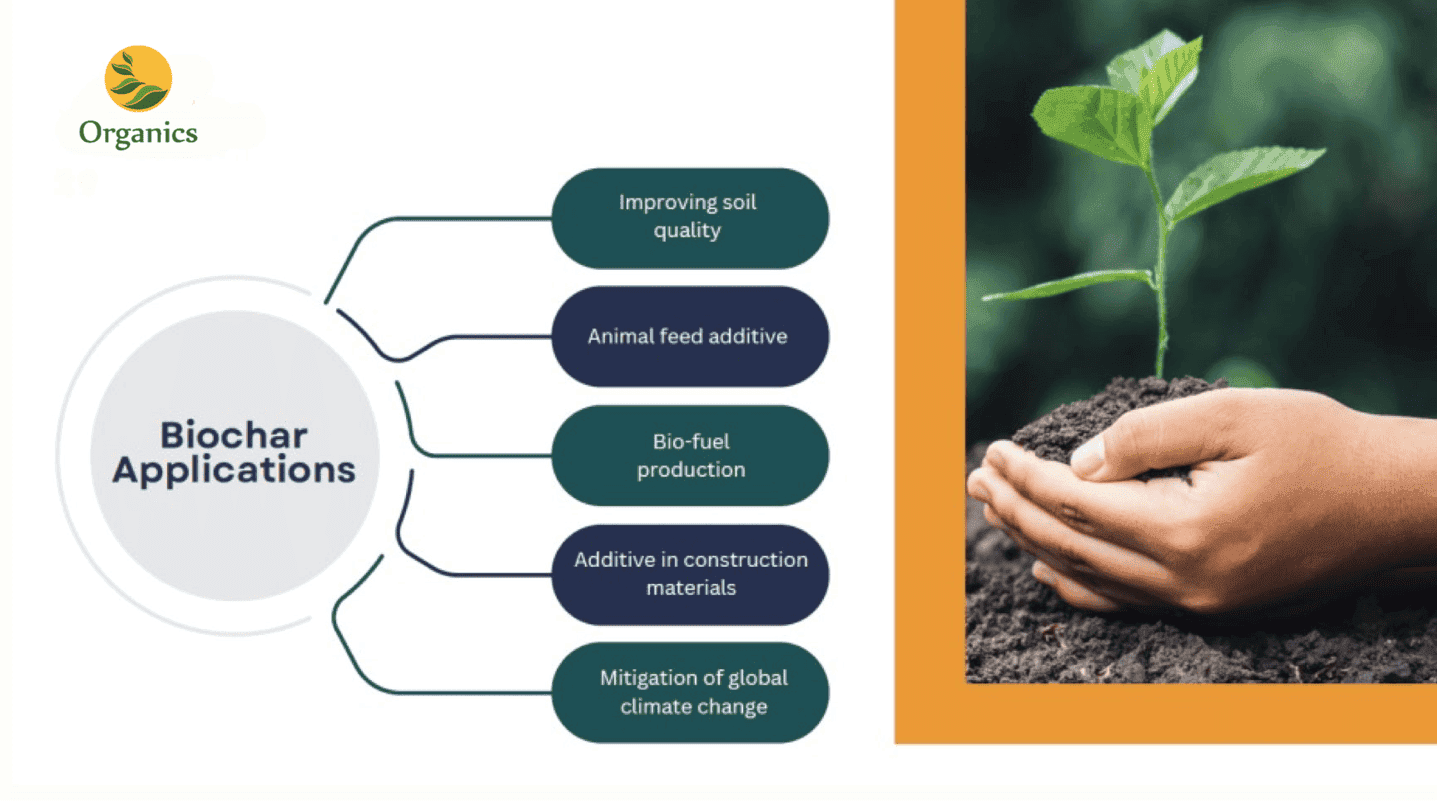
Applications of Biochar in Construction Industry 

Applications of Biochar in Construction Industry

Biochar, a sustainable byproduct of pyrolysis, is finding increasing use in construction. Incorporating biochar into materials like concrete, cement, and asphalt improves their properties and enhances carbon sequestration, reducing the industry’s carbon footprint and contributing to significant Carbon Dioxide Removal (CDR). 

Concrete 

Replacing some cement with biochar improves concrete properties like density and thermal insulation. Studies have shown that it can also increase long-term strength and resistance. Its use in concrete reduces the carbon footprint of production while sequestering carbon within the material. [5] 

Cement Production 

Cement production has high carbon emissions. Using biochar as a cement enhancer enables low-carbon or even carbon-neutral cement alternatives, significantly reducing the environmental impact and promoting carbon sequestration. [5] 

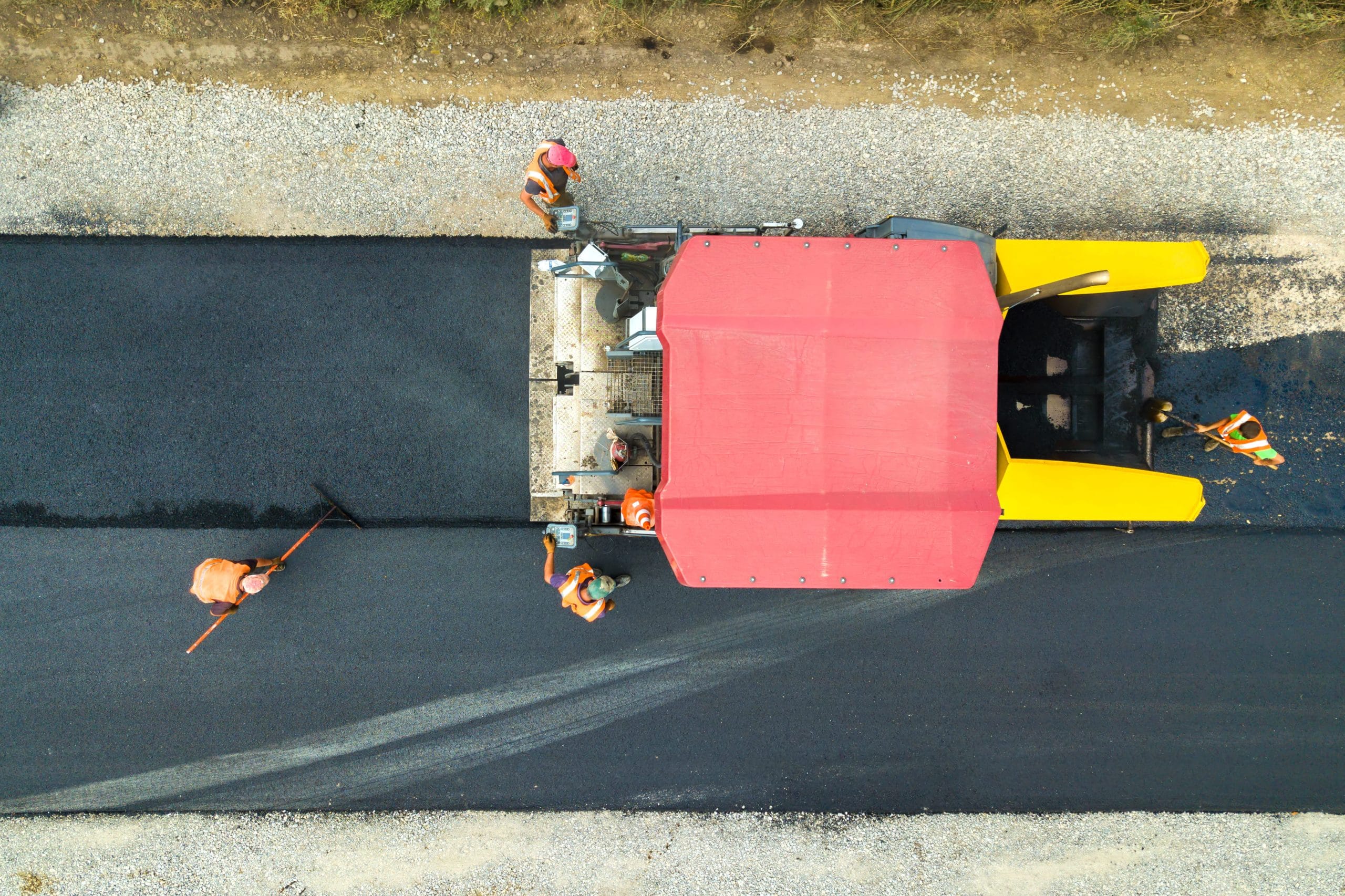
Asphalt 

Adding biochar to asphalt mixtures improves its durability and resistance to cracking. This leads to longer-lasting roads while contributing to carbon capture and supporting effective CDR strategies. [5] 

Other Potential Applications 

Biochar has a wide range of potential applications beyond construction and energy production:

Energy Source [6,8]

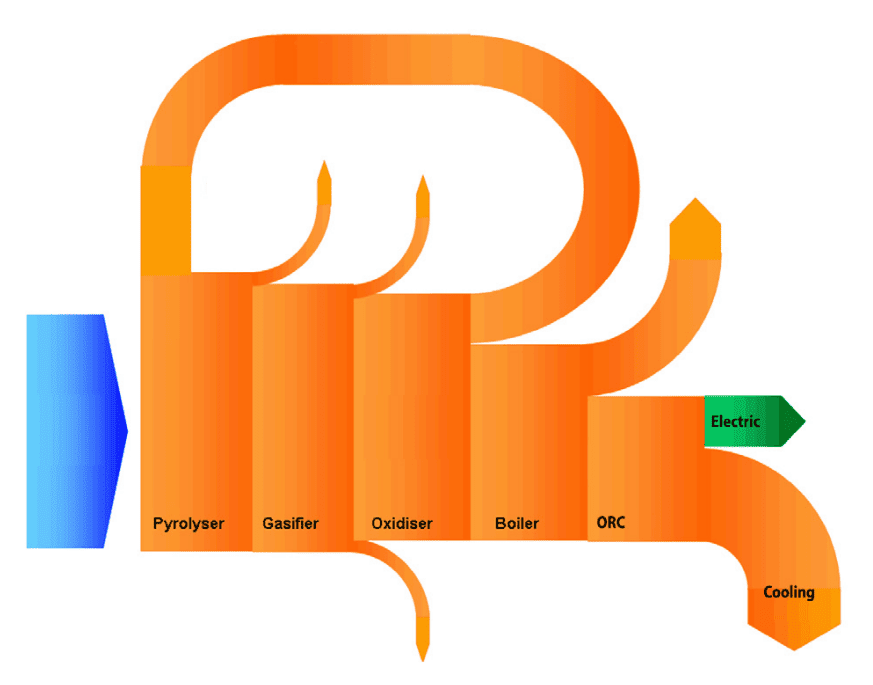
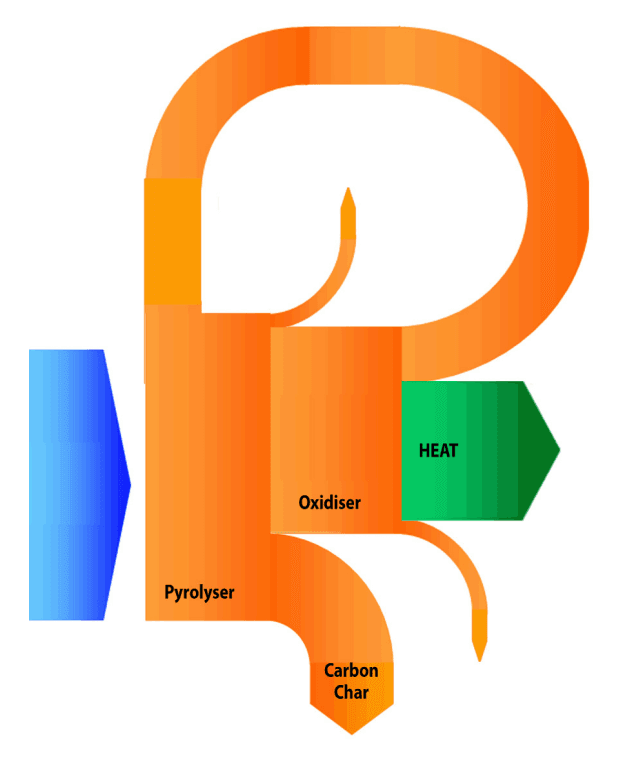
Pyrolysis process Sankey Diagram


  1. Syngas: Pyrolysis, the process of producing biochar, also generates syngas and bio-oil. These byproducts can be harnessed as renewable energy sources for electricity generation, heating, and chemical production. 
  2. Bio-oil: Bio-oil is a liquid product of pyrolysis that can be: 
    • Used as a biofuel: Directly burned or upgraded into transportation fuels like biodiesel. 
    • Refined into various bioproducts: Such as chemicals and other value-added products 
  3. Biochar as fuel: While biochar itself can be utilized as a fuel, its energy density may be lower compared to other biomass-derived fuels like bio-oil or biogas. 
  4. Heat as energy source : Pyrolysis requires heat input to initiate and sustain the process. The heat generated during the pyrolysis process, including exothermic reactions, can be recovered and utilized as an energy source. Integrating pyrolysis with an Organic Rankine Cycle (ORC) allows for the conversion of this recovered heat into electricity.

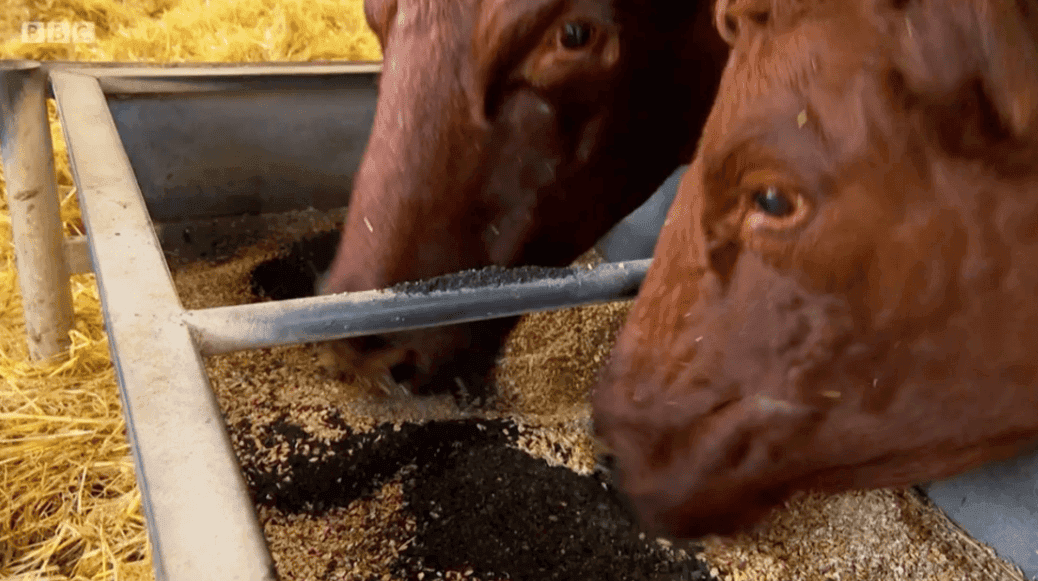
Animal Feed Additive [7] 

Biochar can be incorporated into animal feed as a supplement. Research suggests potential benefits such as: 

  1. Improved Nutrient Absorption: Biochar enhances gut microbiota, improving nutrient absorption and digestion, which, in turn, leads to a significant reduction in animal induced methane production. 
  2. Improved Feed Efficiency: Increased nutrient utilization leads to better feed efficiency and reduced costs. 
  3. Enhanced Animal Health: Biochar may improve gut health, reduce disease risk, and boost immune function. 
    Biochar as Animal Feed Additive

    Disclaimer: 

    Use of biochar in animal feed requires careful consideration and may be subject to regulations. Consult with animal nutrition experts for appropriate biochar types, dosages, and feeding protocols. 

    Conclusion 

    Biochar’s applications extend beyond agriculture. In construction, incorporating biochar into materials like concrete and asphalt enhances their properties while sequestering carbon. This significantly contributes to Carbon dDioxide rRemoval (CDR) and promotes a more sustainable and carbon-neutral future for the construction sector. 

    Contact Us

    For more information about biogas systems and how they can benefit your organization, contact our sustainable energy consulting team today. Embrace green innovation and transform your waste management strategy with the latest biogas solutions.

    Monetising Waste Residues: Biochar Production in the Palm Oil Sector

    Monetising Waste Residues: Biochar Production in the Palm Oil Sector

    Indonesia, as a leading global producer of palm oil, faces significant challenges stemming from the waste generated by its palm oil industry. Each year, vast amounts of agricultural residues such as empty fruit bunches, palm kernel shells, fibres, and fronds are produced. These residues are traditionally disposed of through burning, which contributes to severe air pollution, or left to decay, releasing significant amounts of greenhouse gases like methane and carbon dioxide. Addressing these disposal methods, an innovative and sustainable approach involves converting these residues into biochar via pyrolysis. This process not only effectively manages agricultural waste but also opens avenues for generating carbon dioxide removal credits, thus providing economic benefits alongside environmental conservation.

    This blog is derived from : SAWIT INDONESIA VOL.XIII EDISI 158 – 15 December 2024 / 15 January 2025. Written by Organics. Any reproduction or distribution of content without permission is prohibited.

    Download the original article from SAWIT Indonesia :

    [wpforms id="34863"]

    Recent Post

    POME Waste to Biogas – PT EVANS

    Digester Biogas dari Palm Oil Mill Effluent (pome)PT EVANSEast KalimantanThe project was for the design, installation, and commissioning of a Closed Lagoon Bio-Reactor (CLBR) for the treatment of palm oil mill effluent (POME). The objective of the project was to meet...

    Understanding Biochar and Pyrolysis

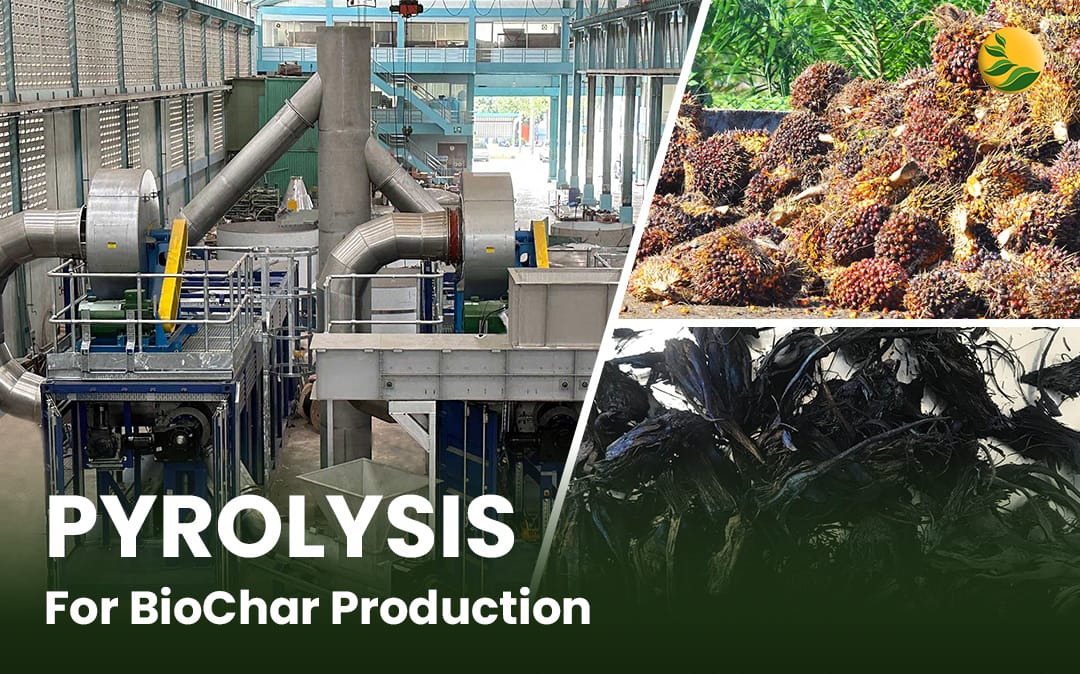
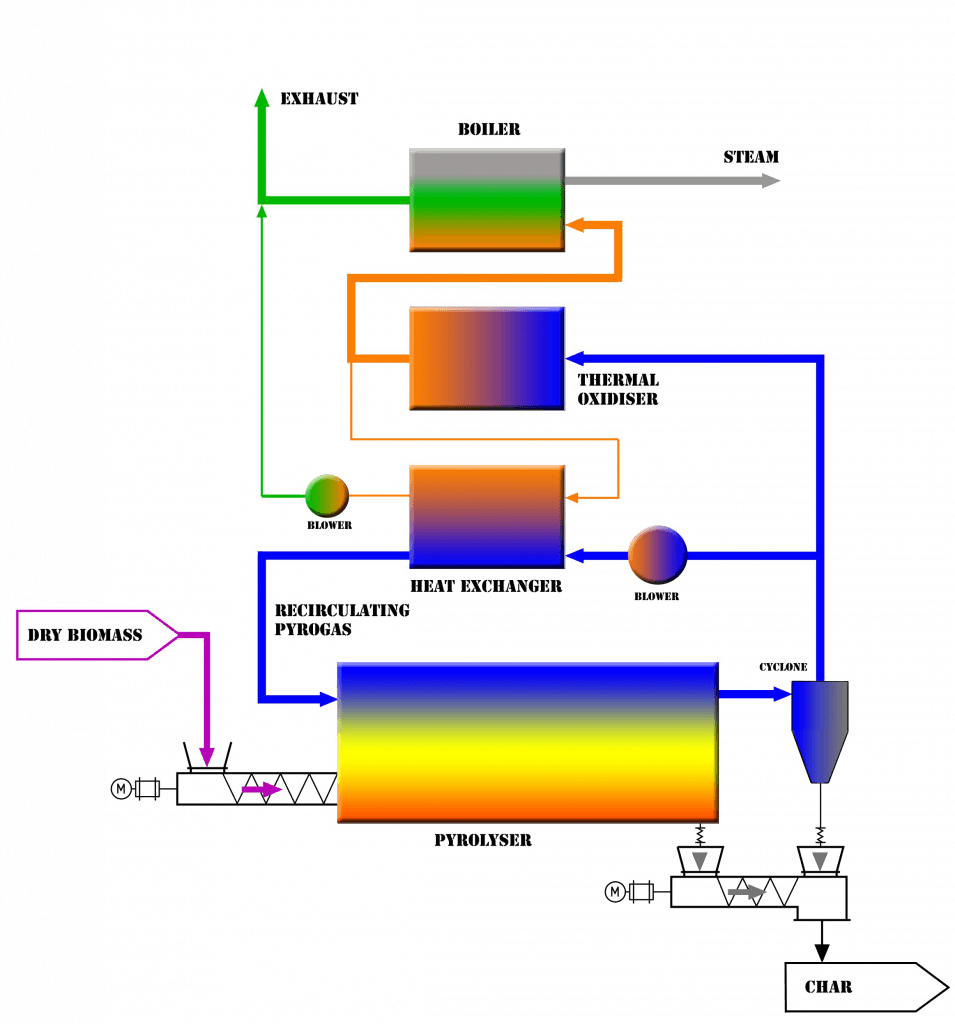
    Biochar is a carbon-dense material produced by pyrolysing organic matter, including the biomass waste from palm oil production, under high heat in an oxygen-deprived environment. A typical pyrolyser is shown in Figure 1. This process yields several products:

    • Biochar: A solid, carbon-rich material that enhances soil fertility and sequesters carbon over long periods, thus contributing to climate change mitigation.
    • Pyrolytic Liquids: These can be refined into biofuels or various chemicals, offering further industrial uses.
    • Syngas (Synthesis Gas): A mixture of hydrogen, carbon monoxide, methane and sometimes small amounts of carbon dioxide, which can be used for power generation or as industrial feedstock.

    The transformation of palm oil residues into biochar not only helps in waste reduction but also in carbon emissions reduction, providing a sustainable solution to environmental degradation.

    Figure 1 Organics Pyroclast® pyrolyser

    Palm Oil Sector Waste in Indonesia

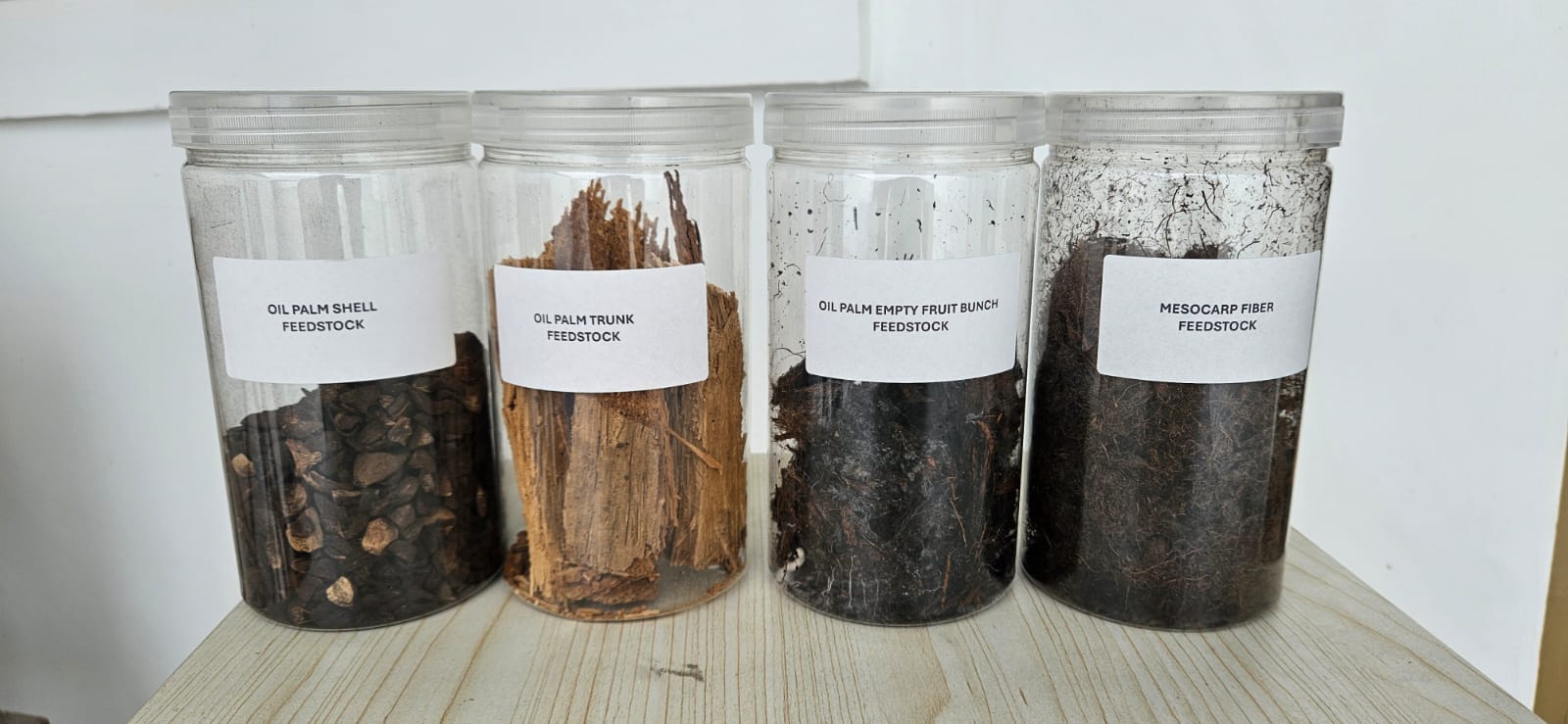
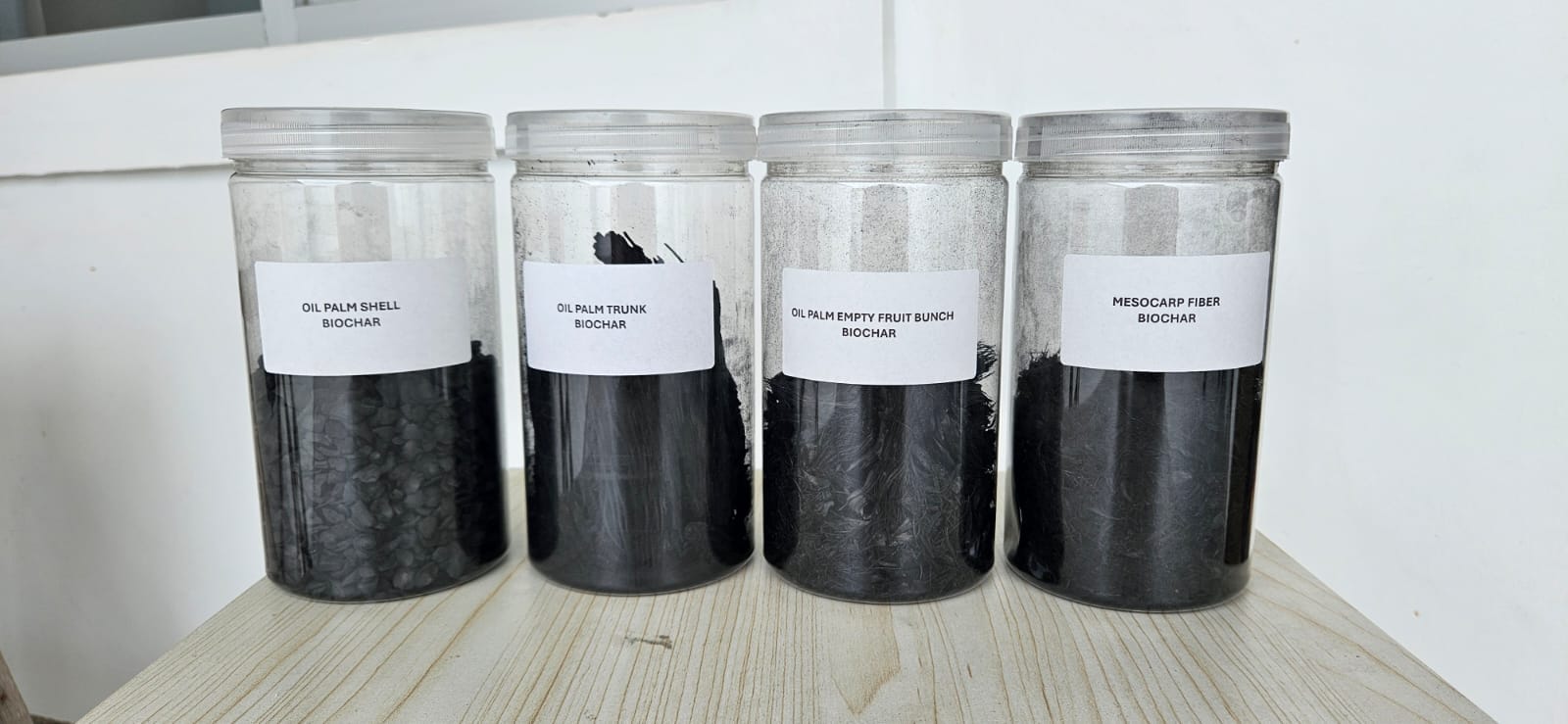
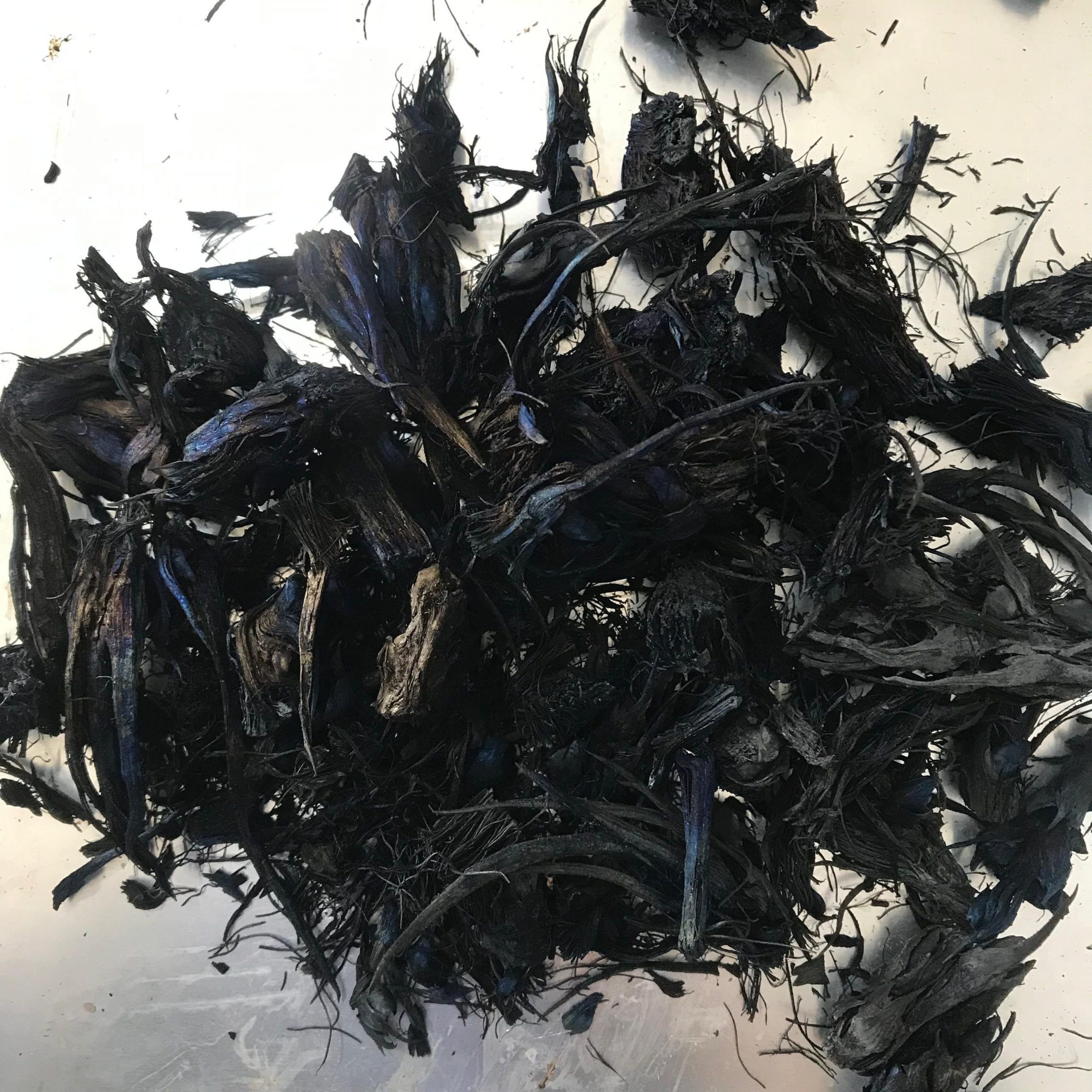
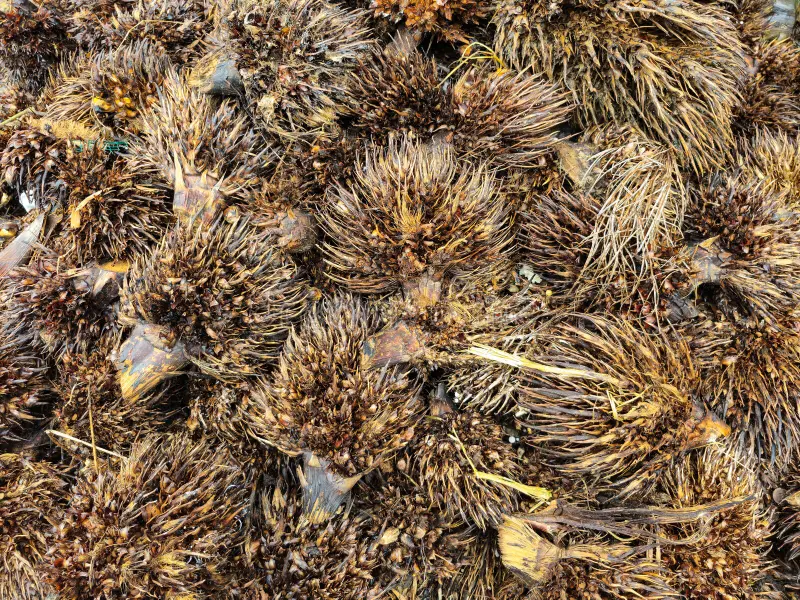
    Figure 2 Palm sector wastes proven to make biochar in Research & Development trials

    Indonesia’s palm oil industry produces over 70 million tons of biomass waste annually. This waste includes:

    • Empty Fruit Bunches: Bulky and challenging to manage due to their high moisture content.
    • Palm Kernel Shells: These shells have a high calorific value and are dense, making them suitable for energy production.
    • Palm Fronds: Typically left in fields to decompose, contributing to methane emissions.
    • Fibre: Extracted during the oil milling process and often underutilised.

      Traditionally, some of these materials are either incinerated or left to decompose. However, through pyrolysis, these residues can be converted into biochar, diverting them from environmentally harmful disposal methods and instead contributing to carbon sequestration efforts.

      The Role of Biochar in Carbon Dioxide Removal (CDR)

      Biochar serves as an effective medium for long-term carbon storage. The process of converting organic waste into biochar traps the carbon that would otherwise be released back into the atmosphere, effectively removing it from the carbon cycle for centuries. This stable form of carbon storage is crucial in the fight against climate change, making biochar a valuable tool for carbon dioxide removal.

      Generating CDR Credits

      To generate CDR credits, biochar producers must adhere to specific standards, such as those of PuroEarth or Carbon Standards International, which ensure that carbon removal activities are genuine, additional, and permanent. Under these standards, the process of biochar production and its subsequent use in agriculture must be accurately measured, monitored, and verified

      The process of generating CDR credits from biochar involves several key steps:

      1. Business planning: Establish a comprehensive business model that includes production capacity, financial modelling, CAPEX, OPEX, risk management, and market analysis for biochar.

      2. Assessment and monitoring: Perform a detailed assessment of the carbon content potential of the biomass and the expected carbon sequestration capability of the produced biochar.

      3. Install biochar production facilities: Secure funding through various means such as balance sheet investments, private equity, grants, or pre-sales of CDR credits. Construct and commission the facility.

      4. Carbon sequestration measurement and verification: Measure and verify the carbon sequestered in the biochar using third-party verifiers to ensure the accuracy and permanence of the carbon capture.

      5. Issuance of credits: Following successful verification, CDR credits are issued, which can then be sold on carbon markets or used to offset emissions from other sources.

      6. Ongoing monitoring: Continuous monitoring is essential to maintain the integrity of the CDR credits, involving regular audits and reporting.

        Benefits of Biochar Production for Palm Oil Producers and Indonesia’s Economy

        The production of biochar from palm oil waste presents several benefits:

        • Environmental impact: It significantly reduces greenhouse gas emissions by preventing the burning and decay of biomass.
        • Economic opportunities: Biochar production opens new revenue streams through the sale of CDR credits, providing a financial incentive for adopting sustainable practices.
        • Agricultural advantages: Biochar improves soil fertility, water retention, and nutrient cycling, reducing the need for synthetic fertilisers and enhancing crop yields.
        • Waste management solutions: Provides a sustainable method for handling the vast quantities of waste generated by the palm oil industry.

          Challenges and Considerations

          Despite the advantages, several challenges may hinder the widespread adoption of biochar production:

          • Initial investments: The setup cost for pyrolysis plants and necessary infrastructure can be substantial.
          • Market dynamics: The emerging market for CDR credits is still volatile, with fluctuating prices and uncertain demand.
          • Regulatory support: A supportive regulatory framework is crucial for encouraging investment in biochar production and ensuring the stability of the CDR credit market.

          Conclusion

          Biochar production from palm oil waste in Indonesia not only offers a viable solution to manage agricultural waste but also aids in achieving national and global environmental goals. By harnessing the potential of pyrolysis to turn waste into a resource, Indonesia can reduce its carbon footprint, enhance soil health, and create economic opportunities within the palm oil sector. The success of this initiative, however, will depend on continued investment in technology, development of supportive policies, and stabilisation of the biochar market, all of which are essential for realising the full potential of biochar as a tool for sustainable development.

          Contact Us

          For more information about biogas systems and how they can benefit your organization, contact our sustainable energy consulting team today. Embrace green innovation and transform your waste management strategy with the latest biogas solutions.

          Unlocking the Potential of Biochar for Indonesia’s Carbon Credits

          Unlocking the Potential of Biochar for Indonesia’s Carbon Credits

          Recent Post

          POME Waste to Biogas – PT EVANS

          Digester Biogas dari Palm Oil Mill Effluent (pome)PT EVANSEast KalimantanThe project was for the design, installation, and commissioning of a Closed Lagoon Bio-Reactor (CLBR) for the treatment of palm oil mill effluent (POME). The objective of the project was to meet...

          Perusahaan Biogas di Indonesia – PT Organics Bali

          Post TerbaruPerusahaan biogas di Indonesia menjadi sangat krusial dalam proses pengolahan limbah organik & menyediakan energi terbarukan sebagai alternatif energi bersih untuk lingkungan. Peran perusahaan Biogas juga sebagai pilar untuk mencapai tujuan global...

          Written by

          As awareness of climate change increases, the Indonesian government encourages various industrial sectors to reduce carbon emissions. The government implements regulations and initiatives aimed at reducing greenhouse gas emissions. One solution gaining popularity is carbon credits, which help industries not only reduce their environmental impact but also earn additional revenue.

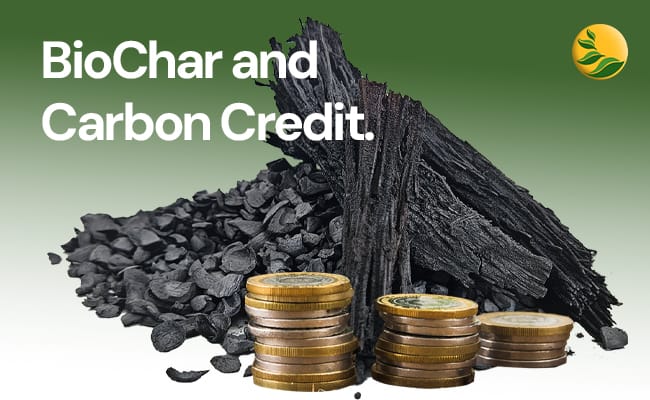
          Carbon credits serve as an incentive for companies to reduce emissions. Companies that follow regulated emissions reduction programs or meet specific criteria can generate or buy carbon credits as compensation for their emissions. One way for companies to obtain carbon credits is by producing biochar, a carbon-rich material created from biomass processing through pyrolysis.

          This article will discuss what carbon credits are and how they differ from carbon trading. The production of biochar as an emission reduction solution has great potential. The article highlightshow the industrial sector in Indonesia can take advantage of it.

          What is Carbon Credit?

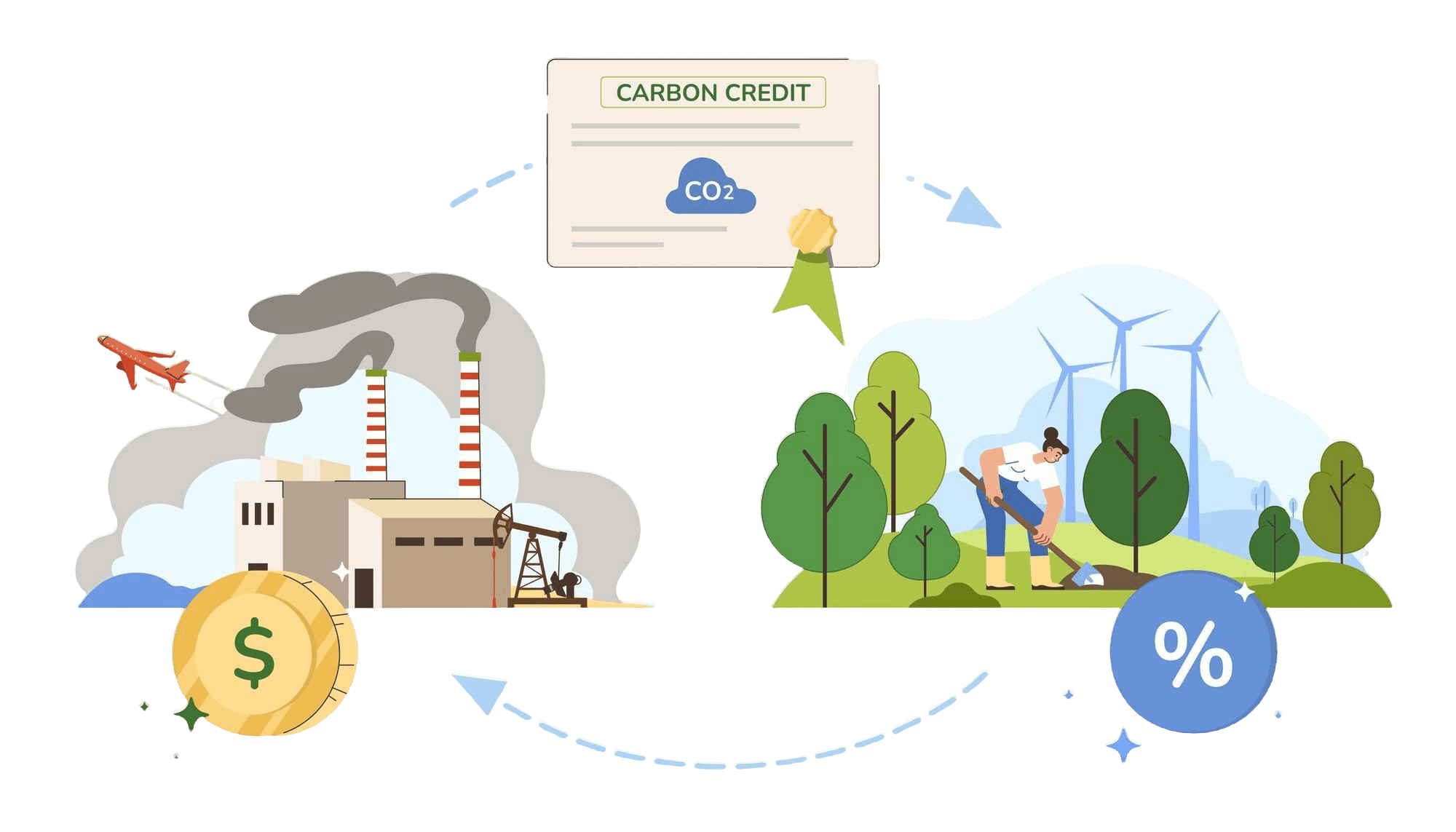
          A carbon credit is a certificate that represents a reduction of one ton (1,000 kg) of carbon dioxide or other greenhouse gases. Companies that successfully reduce their emissions can sell these carbon credits to other companies that cannot reduce their emissions but want to demonstrate their environmental responsibility.


          Carbon Trading

          In carbon trading, companies buy and sell carbon credits on the open market. This system shifts the responsibility of reducing emissions to those who can do so more efficiently. Companies that cannot directly reduce emissions meet their obligations by purchasing credits from other companies that manage to reduce emissions effectively.

          The key difference between carbon credits and carbon trading lies in their functions: carbon credits represent emission reductions, while carbon trading provides a platform for trading those credits. Both play interconnected roles in global efforts to reduce greenhouse gas emissions.


          Biochar as One Way to Get Carbon Credits

          One way to obtain carbon credits in Indonesia is through biochar production. Biochar is produced through a the process of pyrolysis, in which biomass is heated in conditions without oxygen to produce a highly stable carbon material. The carbon in organic material is locked up within the structure of the resultant biochar. The technology used is therefore carbon negative. Also,  due to its high carbon content, biochar prevents carbon from being released into the atmosphere by stabilizing it in a solid form, making it an effective tool for long-term carbon sequestration and reducing carbon emissions.

          The Potential of Biomass in Indonesia

          [edm_gallery gallery_ids=”34776,34777,34780″ gallery_layout=”masonry” gallery_col_padding=”1px” _builder_version=”4.27.2″ _module_preset=”default” max_height=”1000px” global_colors_info=”{}”][/edm_gallery]

          Indonesia ranks as one of the largest biomass producers globally. Waste from agriculture, palm oil plantations, and the forestry sector can be processed into biochar through pyrolysis technology. Not only does this technology help reduce waste and greenhouse gas emissions, but it also offers significant economic benefits for industries transitioning to renewable energy solutions.

          For instance, the palm oil industry holds great potential to leverage pyrolysis technology in converting biomass waste into biochar. According to data from the Indonesian Biogas Association (ABgI), numerous palm oil mills operate across Indonesia. If a mill processes 60 tons per hour (tph) of Fresh Fruit Bunches (FFB), it generates around 90,000 tons of solid waste and 241,200 tons of liquid waste annually. This means the entire industry in Indonesia produces about 80.5 million tons of solid waste each year, including palm shells, empty fruit bunches, and fruit fiber.

          Given the abundance of biomass resources, biochar production offers an effective and profitable solution for emission reduction in the palm oil sector. Consequently, adopting pyrolysis can become a key step in carbon trading, enabling Indonesian industries to contribute more actively to global carbon credit schemes.


          Regulations in Indonesia

          Regulations in Indonesia to Encourage Emission Reduction and Renewable Energy

          In response to rising global temperatures, the Indonesian government has introduced stricter regulations to reduce emissions and has increased its commitment to renewable energy. As a signatory to the Paris Agreement, Indonesia implemented new regulations in 2023 and 2024 that emphasize the necessary steps to meet national climate targets. By 2025, the government aims for renewable energy to contribute 23% of the country’s baseload energy requirements.


          Some important regulations that support the reduction of greenhouse gas emissions and energy transition in Indonesia include:

              1. Presidential Regulation (Perpres) No. 112 of 2022: Regulates the acceleration of renewable energy development, especially new and renewable energy-based power plants.
              2. Government Regulation (PP) No. 79 of 2014: Directs national energy policies that target significant reductions in carbon emissions and increase the role of renewable energy.
              3. Law (UU) No. 30 of 2007: Regulates energy, including the development of renewable energy as one of the priorities to reduce dependence on fossil fuels.
              4. Regulation of the Minister of Energy and Mineral Resources No. 50 of 2017: Providing incentives for companies that use renewable energy, including special tariffs for renewable energy projects.

          Regulations Related to Carbon Credits in Indonesia

          In addition to encouraging the use of renewable energy, Indonesia also strengthens regulations on carbon trading through various policies, including:

          1. Presidential Regulation No. 98 of 2021: Regulates the implementation of carbon economic value to achieve greenhouse gas emission control targets.
          2. Financial Services Authority Regulation (POJK) No. 14 of 2023: Facilitate green financing and carbon trading, including guidance for entities wishing to engage in carbon trading schemes.
          3. Minister of Environment and Forestry Regulation No. 21 of 2022: Regulates the mechanism for the implementation and registration of activities related to carbon credits.

          How to Get Carbon Credits in Indonesia

          For companies that want to benefit from carbon credit schemes in Indonesia, there are several steps that must be followed. Organics, as a reliable EPC in renewable energy and pyrolysis projects, is ready to assist companies in carrying out decarbonization projects to obtain carbon credits. Here are the steps that should be followed (Winrock, 2015) : 

          1. Project Development This phase includes several activities, such as selecting a validation methodology, conducting calculations and selections, estimating project emission reductions, and creating project plans and documentation.
          2. Validation The validation process is completed before registration. Some voluntary registry bodies allow small-scale projects to be validated alongside verification after registration. 
          3. Registration The project must be registered under the UN voluntary registry body mechanism.
          4. Monitoring & Verification Monitoring is conducted according to the project plan and verified by an independent verifier.
          5. Carbon Credit Issuance Carbon credits are issued for projects that have been verified.

            With supportive regulations and great potential in the renewable energy sector, Indonesia is poised to become a major player in global efforts to reduce emissions and harness the potential of renewable energy.


            Why Choose Organics to Support Carbon Credits?

            With over 30 years of experience in renewable energy, Organics has become a leader in supporting the reduction of carbon emissions through cutting-edge technologies, such as biomethane capture and pyrolysis. Our extensive experience in many countries around the world, demonstrates that Organics has a successful track record of excellence.

            Among our latest technological innovations is the Pyroclast, a patented technology specifically designed to process biomass into biochar. This advanced solution allows companies to transform what was traditionally considered a waste liability into a valuable resource. Additionally, biochar produced through pyrolysis offers several environmental benefits, such as improving soil health and preventing carbon dioxide from being released into the atmosphere.


            Organics’ Advantages in Renewable Energy Projects

            1. Global Experience: Organics has a strong track record in renewable energy projects in Asia and Europe, proving itself to be a trusted partner in sustainability-enabled technologies.
            2. Leading Technology: The Pyroclast is designed for high efficiency and cost  reduction, ensuring maximum results and reliable post-commissioning systems designed to increase profitability of operations.
            3. Cost Effective: We provide innovative cost-effective technical solutions.

            Conclusion

            Biochar is an effective solution for tackling increasing carbon emissions in Indonesia and is in line with the government’s efforts to reduce greenhouse gases. Carbon credits are an important incentive for companies to reduce emissions, and biochar produced from biomass pyrolysis can improve soil quality as well as store carbon dioxide, which leads to a reduction in emissions.

            Organics, with more than 30 years of experience and reliable pyrolysis technology, is ready to be your partner in carbon credit projects. We are committed to providing high-quality and cost-effective solutions.


            Contact us today to find out more about our biochar-producing pyrolysis technology as well as other renewable energy opportunities!


            Contact Us

            For more information about biogas systems and how they can benefit your organization, contact our sustainable energy consulting team today. Embrace green innovation and transform your waste management strategy with the latest biogas solutions.

            Source :

            Biochar and Pyrolysis: Environmental Impact, Technology, and Production Method

            Biochar and Pyrolysis: Environmental Impact, Technology, and Production Method

            Written by

            Carbon credits from biochar are gaining attention in Indonesia, especially among palm oil and agriculture companies. These industries actively seek ways to reduce their carbon footprint and enhance their sustainability image. The market for biochar-based carbon credits in Indonesia is still in its early stages, but it shows promising growth potential.

            As awareness about biochar’s benefits and the opportunities for carbon credits rises, we expect demand to increase in the future. In this article, we explore biochar, its production process, and its connection to carbon credits.

            What is Biochar and how is it Produced?

            What is a Biochar?

            Biochar is an organic material created by heating biomass in an oxygen-free environment. This process, called pyrolysis, produces a stable form of carbon that offers several environmental benefits. Biochar improves soil health when used as a soil amendment, and it also serves as a tool for carbon sequestration, helping reduce greenhouse gas emissions.

            The biomass used in biochar production comes from various sources, including agricultural waste, landfill materials, and animal waste. The characteristics of the feedstock directly influence the type and quality of carbon present in the biochar. For instance, using agricultural waste can yield a biochar that is particularly effective in nutrient retention and pH regulation.

            Biochar’s primary agricultural benefits include soil enhancement, nutrient retention, and pH regulation. Beyond agriculture, biochar also plays a role in generating carbon credits—tradable certificates representing reductions in greenhouse gas emissions.

            Pyrolysis for Biochar production

            Biochar production relies on pyrolysis technology, which involves heating organic material in the absence of oxygen. At Organics, we have developed an in-house pyrolysis system called Pyroclast®. Designed for final waste disposal and carbon production, Pyroclast® offers flexibility in its applications. Whether the focus is on waste disposal, recycling, energy production, or biochar generation, Pyroclast® can adapt to meet customer needs.

            The system effectively handles a variety of feedstocks, including waste wood, bamboo, and digestate from anaerobic digestion. Each feedstock produces biochar with unique properties, making Pyroclast® a versatile tool in sustainable waste management and carbon production.

            The Process of Pyrolysis for Biochar Production

            Unlike incineration, pyrolysis operates within a closed-loop chamber, without oxygen or flames. Organics’ Pyroclast® system can handle between 3.6 and 240 tonnes of dry feedstock per day and between 6 and 40 tonnes per day for wet feedstock. The system includes several key components:

              • Waste reception and feed
              • Drier
              • Pyrolyser
              • Thermal oxidiser for steam
              • Cycle
              • Boiler and steam turbine
              • Gas clean-up for pyrogas
              • Engine cycle
              • Gas engine or gas turbine

            The Pyrolysis Process:

            1. Biomass conditioning: Before entering the pyrolysis reactor, the feedstock must meet certain specifications. Typically, biomass is shredded to a maximum size of 20-50 mm and conditioned to a moisture content below 20%, which is ideal for biochar production. Proper conditioning ensures efficient processing and high-quality biochar.
            2. Thermal Decomposition: After conditioning, the biomass enters the pyrolyser (or Pyroclast® reactor) and undergoes carbonization at temperatures ranging from 450-800°C. In this patented tube-screw reactor, the biomass stays for up to 30 minutes without exposure to air. This process is called as thermal degradation process which converts solid waste into gas, which is called as pyrogas or syngas, depends on the process mechanism. The solid residue from the process is called Biochar, from organic contents (biomass) or carbon char.
            3. Gas disposal: To prevent environmental pollution, the produced gas is immediately treated in a high-temperature thermal oxidizer, where it is destroyed before it can be emitted into the atmosphere. Any excess heat generated during the process is safely disposed of to ensure maximum environmental protection

            Properties of Biochar

            Biochar primarily consists of stable carbon, and its composition varies based on the biomass feedstock and the pyrolysis conditions, such as temperature, heating rate, and duration. Key components of biochar include:

            Fixed Carbon

            This stable form of carbon makes up the majority of biochar. Fixed carbon does not easily vaporize or decompose, contributing to biochar’s long-term stability in soil. This property is crucial for carbon sequestration and reducing decomposition rates.

            Volatile Matter

            While most volatile compounds are driven off during pyrolysis, some carbon-based chemicals remain that can vaporize more easily. The amount of volatile matter decreases as the pyrolysis temperature increases.

            Ash

            Though not carbon-based, ash forms a significant part of biochar. It consists of minerals and salts from the original biomass, which can enhance soil fertility when biochar is used as a soil amendment.

            Graphitic Carbon

            At higher pyrolysis temperatures, some biochar carbon can form highly ordered graphitic structures, which are exceptionally stable and contribute to the durability of biochar.

            Other Important Parameters of Biochar:

              • Moisture Content: This affects the drying process and can reduce the overall effectiveness of the biochar.
              • Surface Area and Porosity: These characteristics are essential for water retention and provide a habitat for beneficial microorganisms.
              • pH level: Biochar influences soil pH when used as an amendment, making it important for balancing soil acidity.
              • Nutrient Content: The effectiveness of biochar as a soil enhancer depends on its nutrient content.
              • Stability: This determines how long biochar will last in soil and how effectively it sequesters carbon over time.

            Biochar Roles in Environmental Management, Agriculture, and Industry

            Biochar Roles in Environmental Management

            Biochar plays a crucial role in environmental management by aiding carbon sequestration and reducing greenhouse gas emissions. Through photosynthesis, plants absorb carbon dioxide (CO2), storing carbon within their structures while releasing oxygen into the atmosphere. However, when plants die or are cut down, this stored carbon typically returns to the atmosphere as CO2, contributing to global warming.

            Biochar offers a solution through two primary mechanisms:

            Carbon Capture

            During pyrolysis, organic materials like agricultural waste are heated, releasing volatile gases and leaving behind carbon-rich biochar. This process effectively captures carbon by preventing it from being emitted as CO2.

            Long-Term Carbon Storage

            Once applied to soil, biochar serves as a long-term carbon sink due to its resistance to decomposition. This durable carbon storage method can sequester carbon for decades or even centuries, preventing its re-entry into the atmosphere through natural decay processes.

            Additionally, biochar mitigates nitrous oxide (N2O) emissions, another potent greenhouse gas. When applied to agricultural soils, biochar creates a stable environment for microorganisms involved in nitrogen cycling. Its porous structure and chemical properties help retain nutrients, minimizing the production and release of N2O, which often occurs in nitrogen-rich environments through microbial processes.

            In summary, biochar captures carbon during pyrolysis, sequesters it in soils, and reduces harmful N2O emissions. These combined benefits make biochar a powerful tool for combating climate change while enhancing soil health and promoting sustainable agriculture.

            Biochar as an Energy Source

            Beyond its environmental benefits, biochar can also be utilized for energy production. Pyrolysis produces not only biochar but also syngas and bio-oil, both of which can be harnessed as renewable energy sources. Syngas can power electricity generation, heating systems, or serve as a feedstock for chemical production, while bio-oil can function as an alternative fuel or be refined into various bioproducts. This dual functionality makes biochar production highly sustainable, providing both carbon capture and renewable energy from biomass waste management.

            Applications of Biochar in Agriculture

            Biochar offers numerous benefits in agriculture, improving soil health and enhancing productivity. By increasing soil water retention, promoting nutrient cycling, and fostering microbial activity, biochar supports healthier and more productive soils. Moreover, it provides a habitat for beneficial soil organisms that boost plant growth.

            Soil Improvement

            Biochar enhances soil water retention, nutrient cycling, and microbial diversity, which leads to more productive soils. Its porous structure also creates a habitat for beneficial microbes that aid plant growth and suppress harmful pathogens.

            Nutrient Retention

            With its high cation exchange capacity (CEC), biochar retains vital nutrients such as potassium, phosphorus, and calcium. By preventing nutrient runoff and leaching, it ensures plants receive a steady supply of nutrients over time.

            pH Regulation

            Biochar influences soil pH depending on its source. It can be neutral, slightly alkaline, or acidic, helping regulate soil pH and optimize conditions for plant growth and nutrient absorption.

            Disease and Pest Management

            By enhancing microbial diversity in the soil, biochar indirectly helps control diseases and pests. Beneficial microbes thrive in biochar-amended soils, suppressing harmful pathogens, while biochar’s porous structure can act as a barrier against some pests.

            Water Management

            Biochar significantly boosts soil water retention, reducing evaporation and improving water availability to plants. This makes it particularly beneficial in drought-prone regions or sandy soils with poor water retention.

            In addition to sequestering carbon, biochar provides co-benefits like reducing nutrient runoff, enhancing soil fertility, and lowering the need for synthetic fertilizers. These advantages contribute to more sustainable agriculture and offer both environmental and economic benefits.

            Applications of Biochar in Industry

            Biochar, a carbon-rich byproduct of pyrolysis, is rapidly gaining traction across various industries due to its sustainability and environmental benefits. One promising sector is construction, where researchers are exploring the incorporation of biochar into materials like concrete, cement, and asphalt. This not only improves material properties but also enhances carbon sequestration, making biochar a valuable tool for reducing industrial carbon footprints.

            Construction Industry

            Concrete

            Concrete, made from cement, aggregates, and water, is one of the most widely used materials in construction. By partially replacing cement with biochar, researchers have discovered improvements in material properties, such as reduced density and enhanced thermal insulation. In some cases, biochar has the potential to improve mechanical strength. Moreover, incorporating biochar offsets carbon emissions from cement production by sequestering carbon within the concrete itself.

            Cement Production

            Cement production is infamous for its significant carbon dioxide emissions. By integrating biochar as a partial substitute, companies can produce low-carbon or even carbon-neutral cement alternatives. This method significantly reduces the carbon footprint of cement production while simultaneously promoting long-term carbon sequestration, aligning with global sustainability targets.

            Asphalt

            In road construction, biochar shows great promise when added to asphalt mixtures. Research indicates that biochar can enhance the mechanical properties of asphalt, such as durability and resistance to cracking. These improvements extend the lifespan of road surfaces while also contributing to carbon capture, offering both functional and environmental benefits.

            Pharmaceutical Industry, Healthcare, Research or Laboratory

            Biochar also plays an important role in waste management within the healthcare and pharmaceutical sectors. It offers a solution for the safe disposal of hazardous and clinical waste streams, adhering to stringent environmental standards. Pyrolysis systems can convert mixed municipal solid waste into pyrolysis gases, which are then captured and repurposed for ethanol or methane production. This not only addresses waste disposal challenges but also generates recoverable energy, turning waste into a valuable resource.

            Other Industry Applications

            At appropriate operating temperatures, pyrolysis systems can efficiently manage industrial waste, including scrapped vehicles and used tires, while simultaneously generating power. These systems significantly reduce waste volume by transforming it into useful commodities, such as syngas and biochar, making them an effective solution for sustainable industrial waste management.

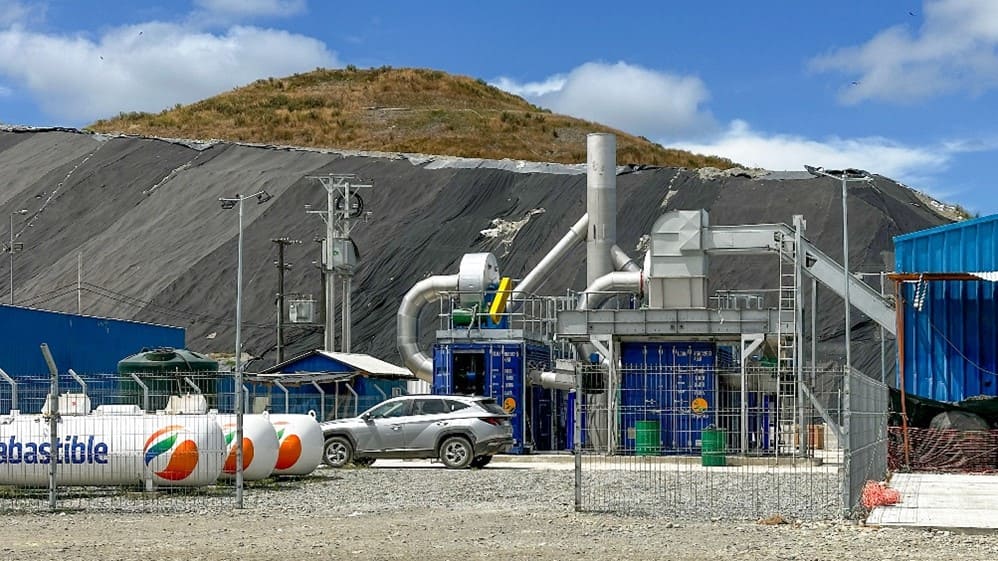
            Case Study: Pyrolysis of RDF, Puerto Montt, Chile

            In Puerto Montt, Chile, a pyrolysis project processes Refuse-Derived Fuel (RDF) from fish processing waste, including plastics. This innovative approach significantly reduces landfill waste while generating heat energy for on-site use or export. Additionally, the process dries the RDF, increasing its energy efficiency.

            The benefits of this project include reduced waste generation, decreased reliance on fossil fuels, and the recovery of valuable materials. Operating in an oxygen-depleted environment, this process also reduces greenhouse gas emissions compared to traditional waste disposal methods. With the capacity to process up to 1,000 kg per hour of wet RDF, this project serves as a model of sustainable waste management with substantial environmental and economic advantages.

            Conclusion

            Biochar offers substantial environmental benefits, from carbon sequestration to improved soil health and renewable energy generation. Its applications extend across agriculture, where it enhances soil properties, and industry, particularly in construction and waste management, helping to lower emissions and promote sustainability. As interest in carbon credits from biochar continues to grow in Indonesia, the potential for further market development is significant.

            To learn more about how biochar can benefit your business and explore partnership opportunities, reach out to us today!

            Contact Us

            For more information about biogas systems and how they can benefit your organization, contact our sustainable energy consulting team today. Embrace green innovation and transform your waste management strategy with the latest biogas solutions.