Net Zero Waste Roadmap  & Renewable Energy Potential in Palm Oil Mill Indonesia

Net Zero Waste Roadmap  & Renewable Energy Potential in Palm Oil Mill Indonesia

Isometric illustration of Anaerobic Digester in Organics Bali

Written by

Recent Post

POME Waste to Biogas – PT EVANS

POME Waste to Biogas – PT EVANS

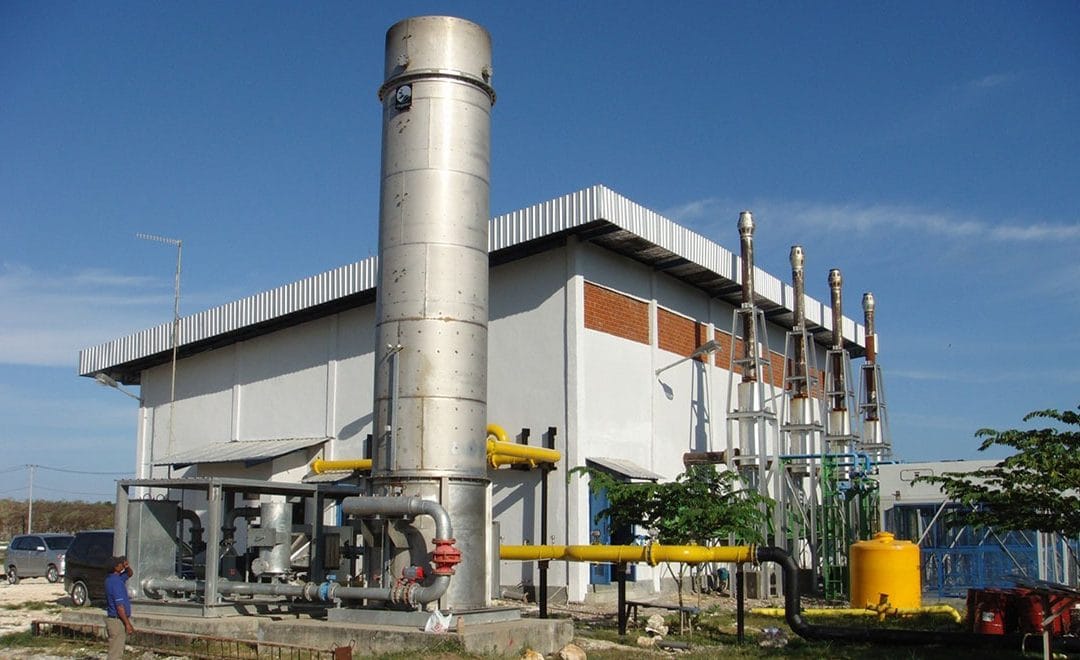
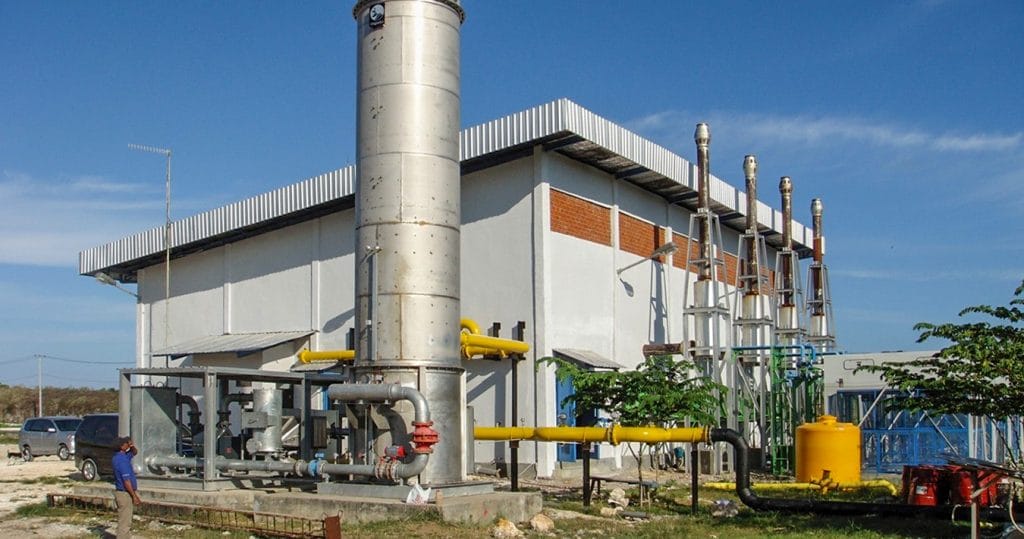
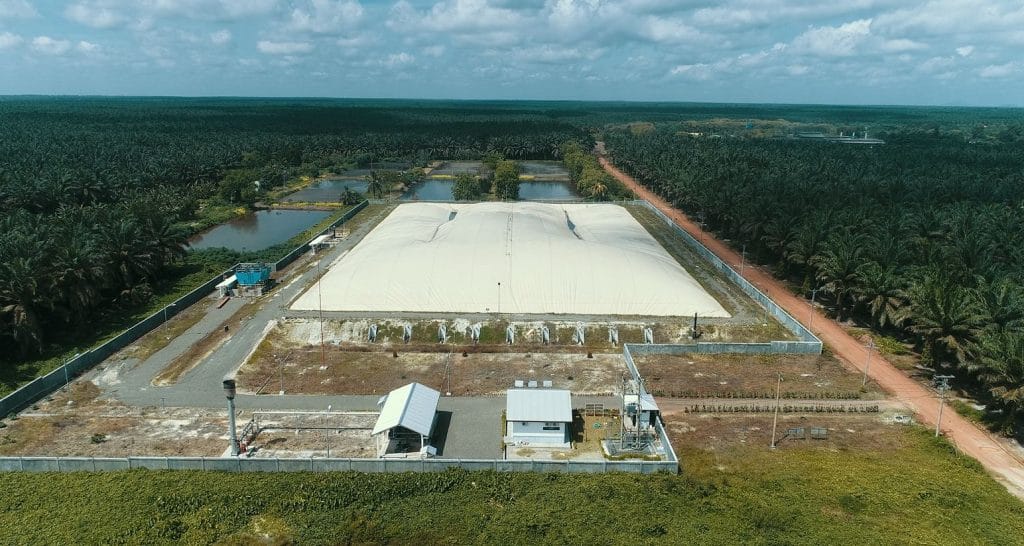
Digester Biogas dari Palm Oil Mill Effluent (pome)PT EVANSEast KalimantanThe project was for the design, installation, and commissioning of a Closed Lagoon Bio-Reactor (CLBR) for the treatment of palm oil mill effluent (POME). The objective of the project was to meet...
See More..

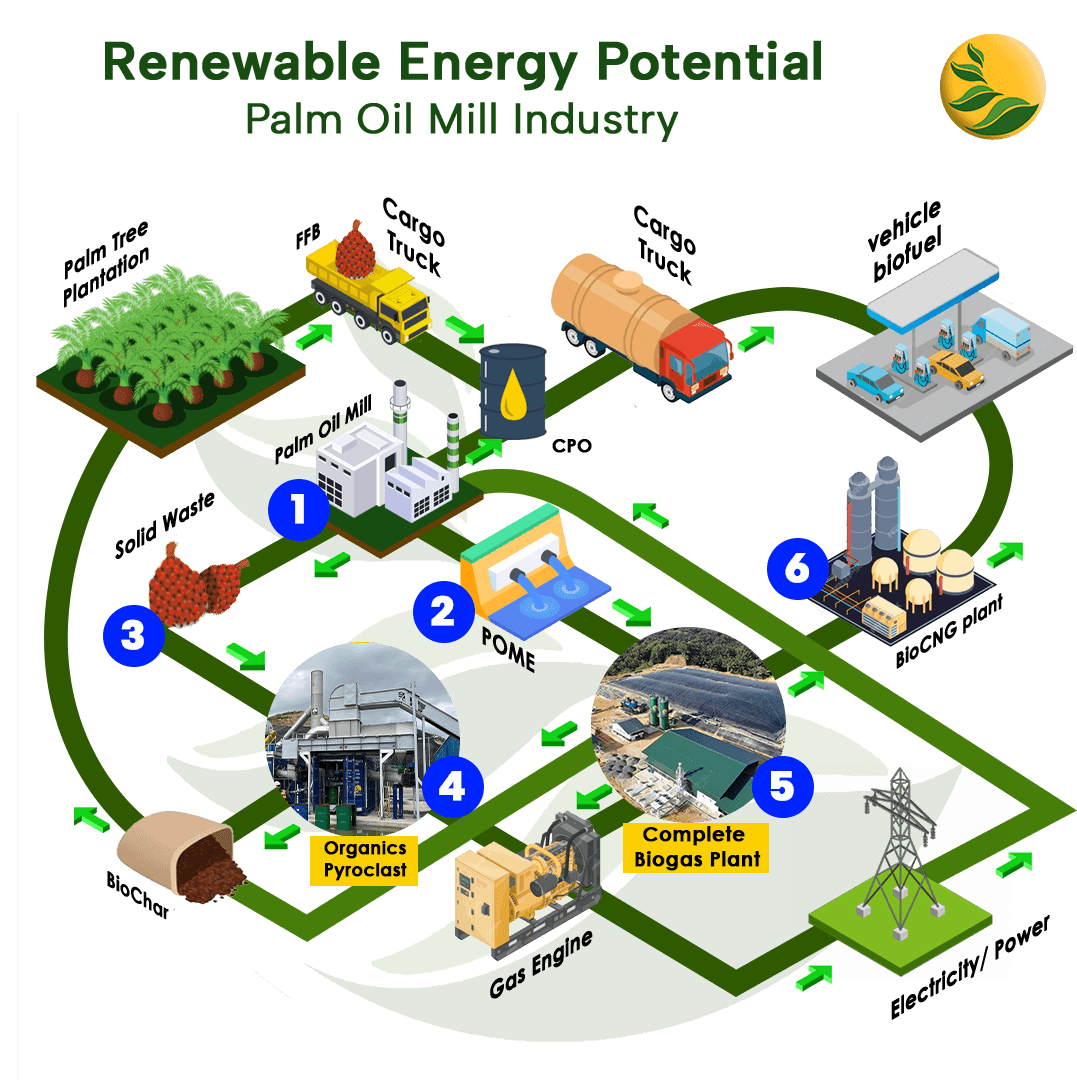
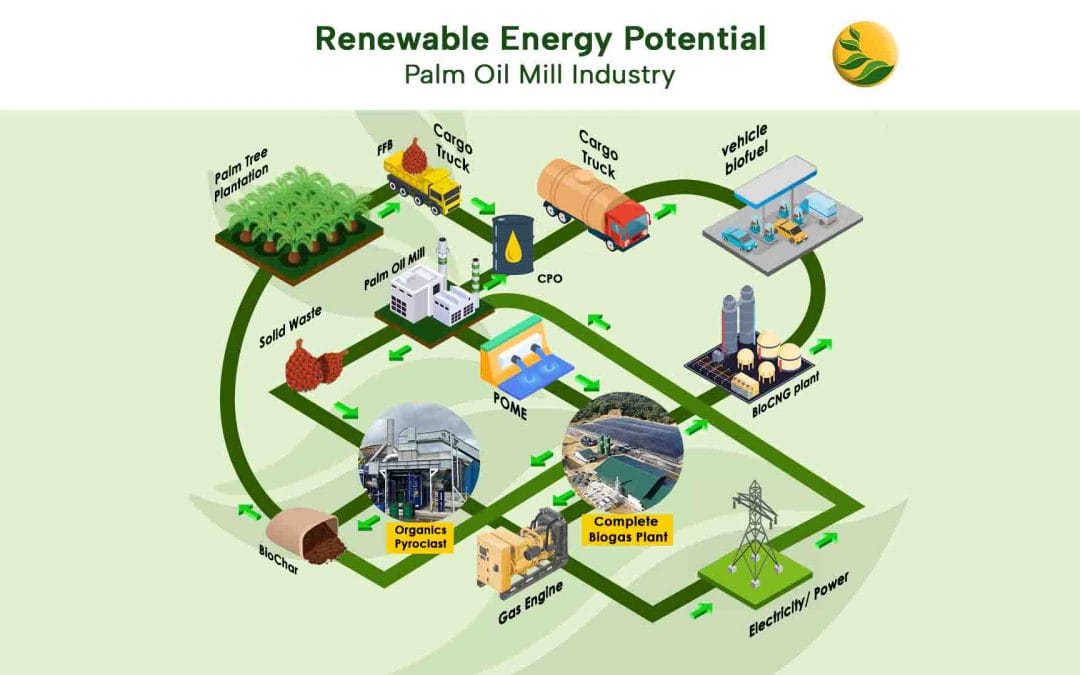
Palm oil mills have great potential to support the transition to renewable energy through effective waste management. One innovative way that is gaining attention is the utilization of liquid waste such as POME (Palm Oil Mill Effluent) to produce biogas, a solution that not only reduces environmental impact but also provides long-term economic benefits. By processing solid waste into biochar through the pyrolysis process, palm oil mills can further contribute to efforts to reduce carbon emissions and support sustainability efforts through the implementation of the Net Zero Waste Roadmap.

1. Palm Oil Mill Production : Managing Waste into Energy Sources


Production in a palm oil mill begins with the process of extracting oil from fresh fruit bunches (FFB). This process produces various types of waste, both liquid and solid, which require management to reduce negative impacts on the environment. One of the main liquid wastes produced is POME (Palm Oil Mill Effluent), which can be processed into biogas through a biogas processing system.

For example, a palm oil mill with a production capacity of 60 tons of FFB per hour can produce around 4,000-6,000 Nm³ of biogas per day. This is due to the high organic content in POME which makes it an effective source of biogas fuel. In addition, other waste produced by palm oil mills such as empty fruit bunches, shells, and fibers can also be further processed to produce biogas or used as other renewable energy sources. Therefore, the processing of this waste, including the conversion of POME into biogas, is an important step in utilizing liquid waste into high-potential fuel.

2. POME : Ideal Biogas Feedstock
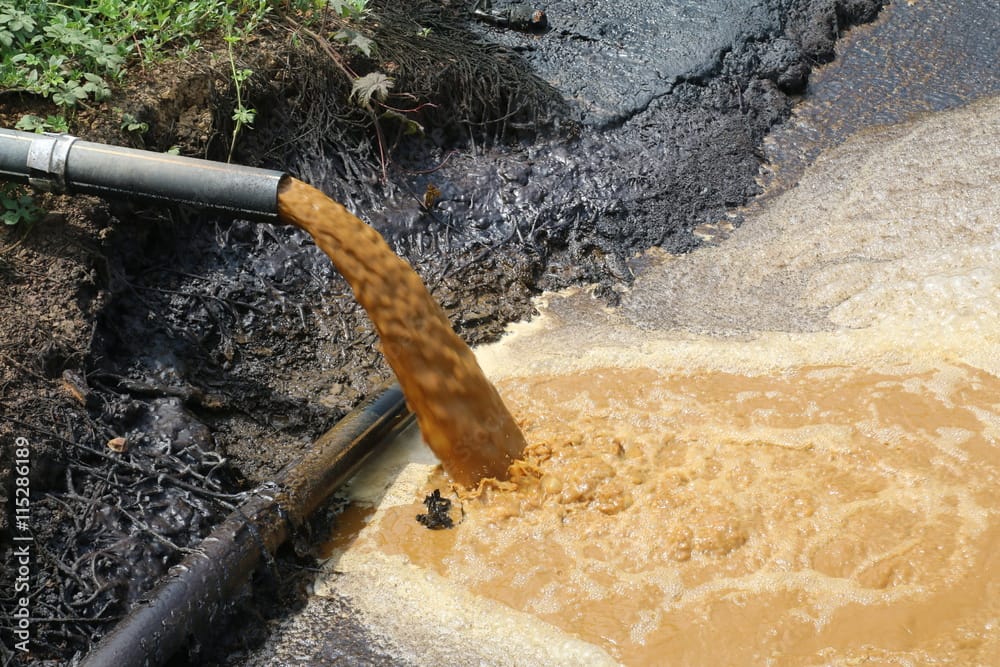
POME is a liquid waste produced from the palm oil processing process. In general, POME has a very high organic content, including fatty acids, oils, and suspended solids. This high organic content, especially significant COD and BOD values, makes POME very dangerous if not managed properly. Thus, high COD and BOD reflect the large amount of oxygen needed to decompose organic matter in water, which can cause a decrease in dissolved oxygen in water bodies if POME is discharged without treatment. This can result in the death of aquatic organisms and damage the aquatic ecosystem.

Therefore, POME is an ideal material for biogas plants for several main reasons:

  • High Organic Content: POME has a COD (Chemical Oxygen Demand) value of around 50,000 – 80,000 mg/L and a BOD (Biochemical Oxygen Demand) of around 25,000 – 35,000 mg/L, making it very suitable for biogas treatment systems. The high organic content is the main ingredient used in making biogas through anaerobic processes in biogas reactors such as biogas digesters.
  • Large and Consistent Volume: Every ton of fresh fruit bunches (FFB) processed can produce around 0.5-1.2 tons of POME. Because the abundant availability of POME supports biogas waste management on a large scale, it allows biogas plants to operate sustainably and efficiently.
  • Efficiency in Reducing Environmental Impacts: Processing POME in biogas plants not only produces renewable energy but also reduces environmental impacts significantly. POME, if not processed, can pollute the environment.
  • Favorable Composition for Anaerobic Processes: POME has a pH and temperature that are close to optimal for the biogas production process in biogas digesters. Its nutritional content supports the growth of microorganisms needed for biogas monitoring and biogas production.

Biogas Utilization from POME: Environmental and Economic Solution
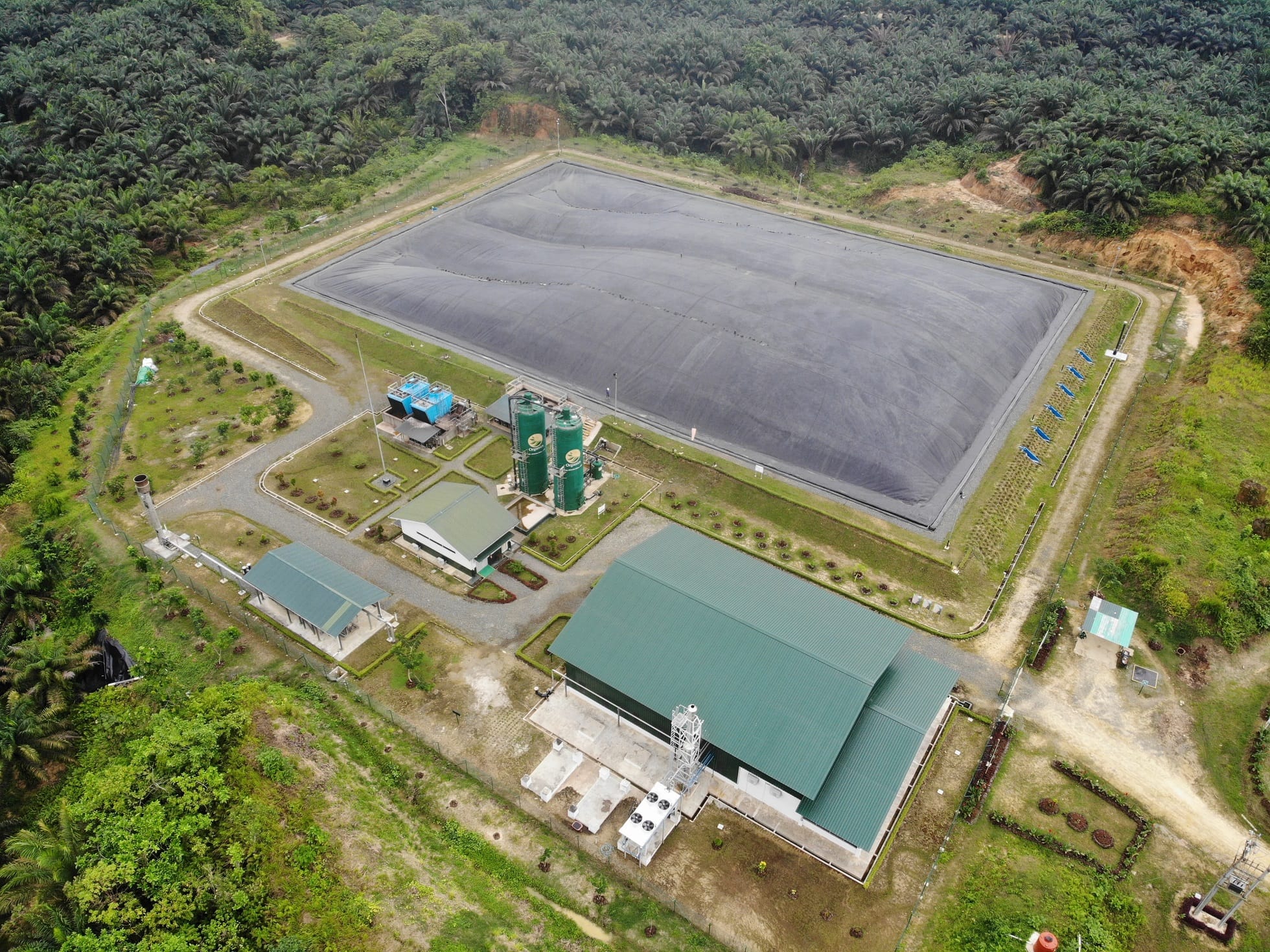
Biogas is the most ideal solution for processing POME (Palm Oil Mill Effluent) because it not only offers energy efficiency by producing biogas that can be used as an alternative energy source, but also provides significant environmental benefits. In addition, from a commercial perspective, although the initial investment costs are quite high, biogas can be a profitable long-term income. Furthermore, the results of biogas and its residues, such as organic fertilizer and biochar, offer additional income opportunities and added value, making it a sustainable and profitable investment in the long term.

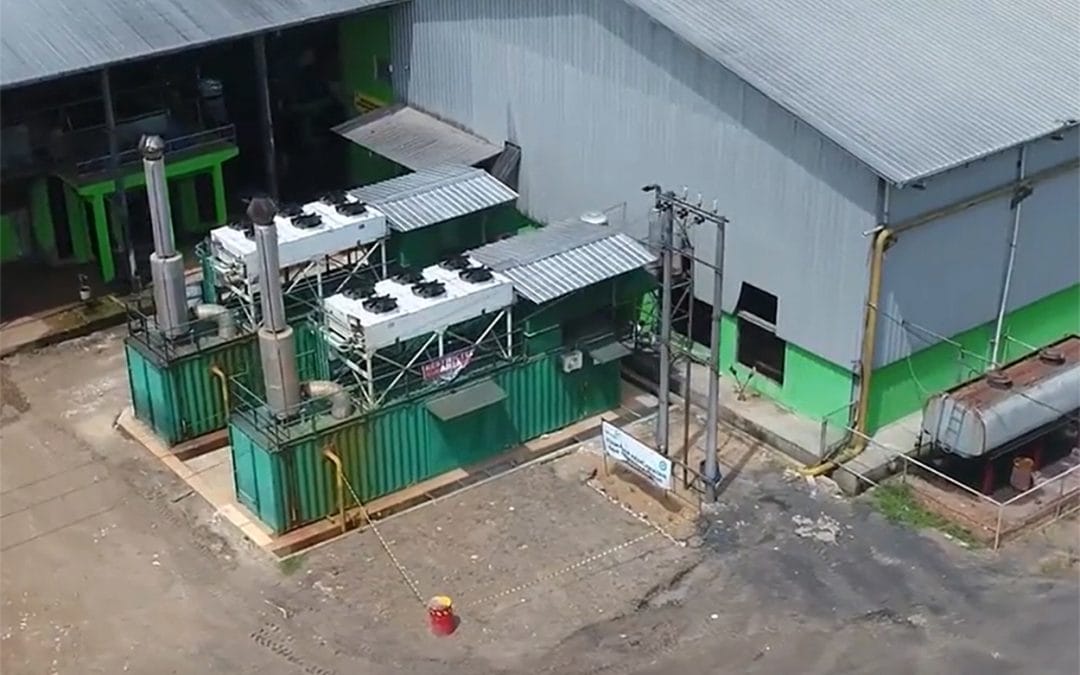
Organics Bali has the expertise and advanced technology in utilizing the potential of POME for biogas production. With high-reliability European technology standards, we ensure that our biogas plants operate efficiently and smoothly after the commissioning process. We have installed and operated four active biogas plants in Indonesia, including in Sumatra and Kalimantan. Click the following link to view our portfolio and find out how we can help you optimize the potential of POME into profitable biogas.

3. Solid Waste: Converting Waste into Biochar
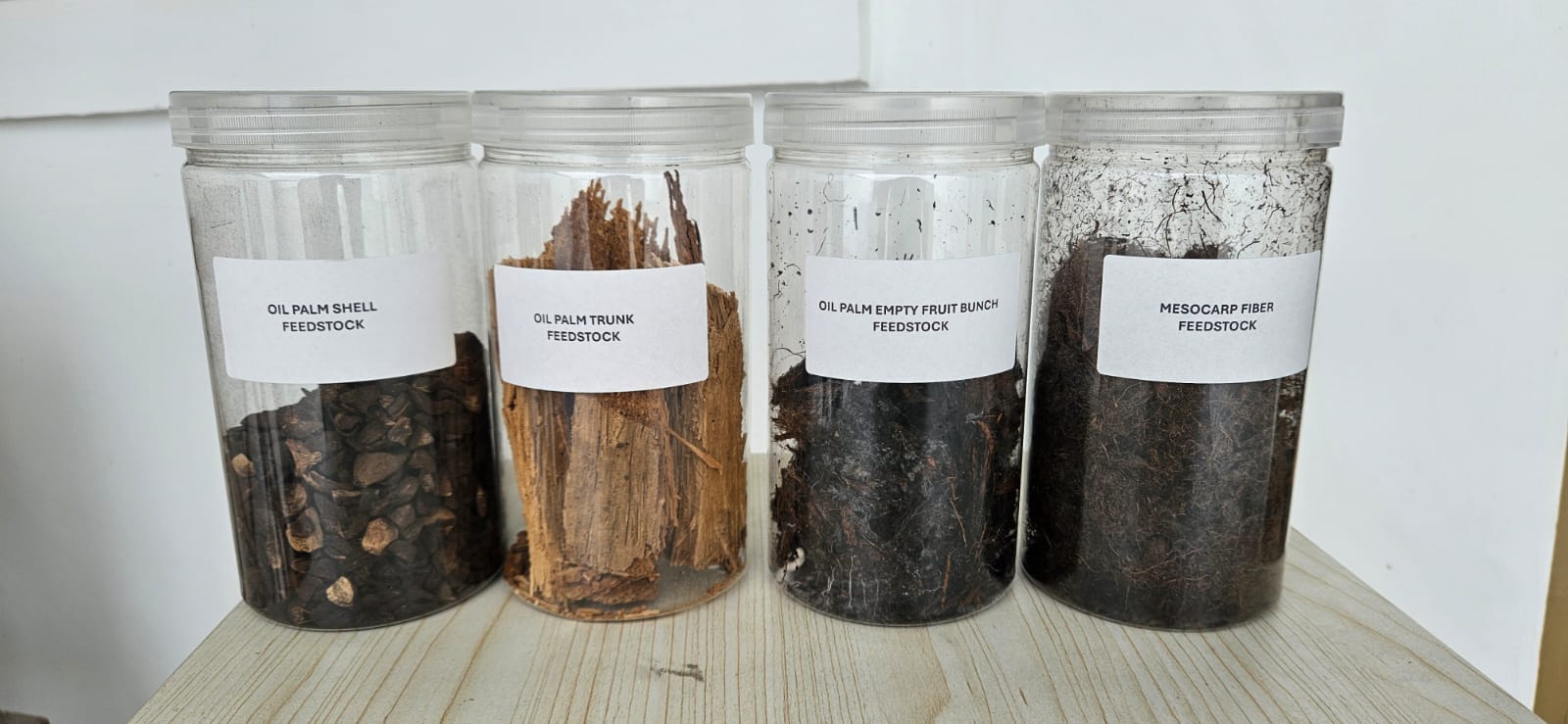
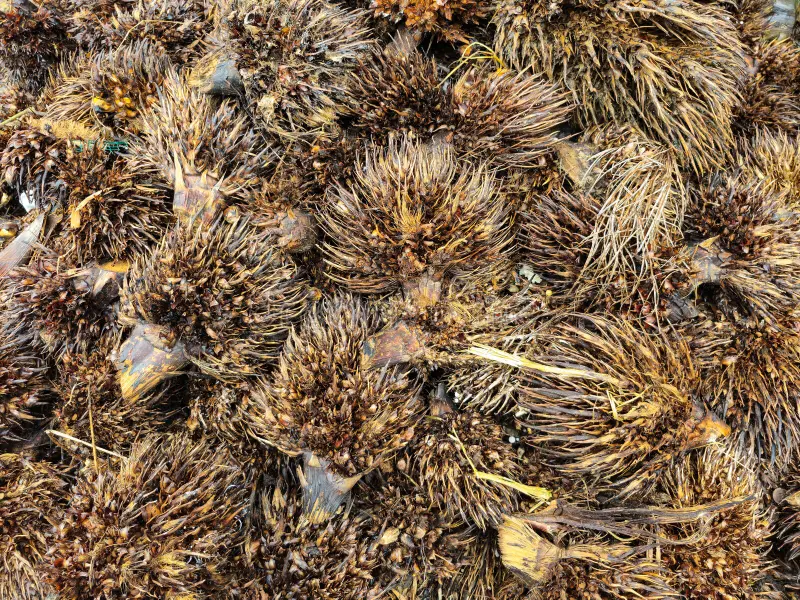
In addition to POME, palm oil mills also produce various types of solid waste such as empty bunches, fronds, palm shells, and fibers. Each type of solid waste has the potential to be processed into biogas or other more valuable products, one of which is biochar.
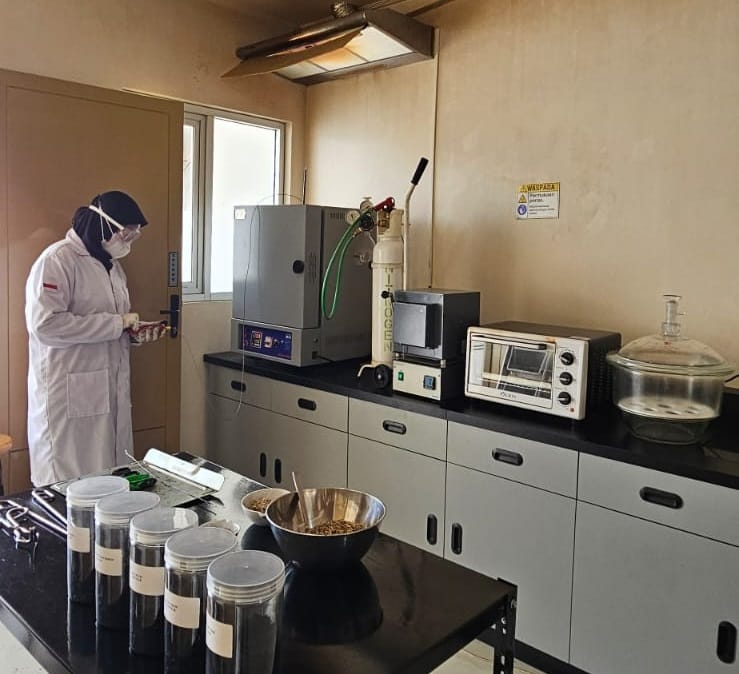
However, special testing is needed to determine the effectiveness and quality of the biochar produced. Organics Bali has a Research and Development facility in Bandung equipped with special equipment to conduct this testing. Furthermore, we use reference standards from the World Biochar Certificate (WBC) and Carbon Standards International to ensure that the biochar quality parameters are met.

4. Pyroclast – The Processing Biomass into Biochar
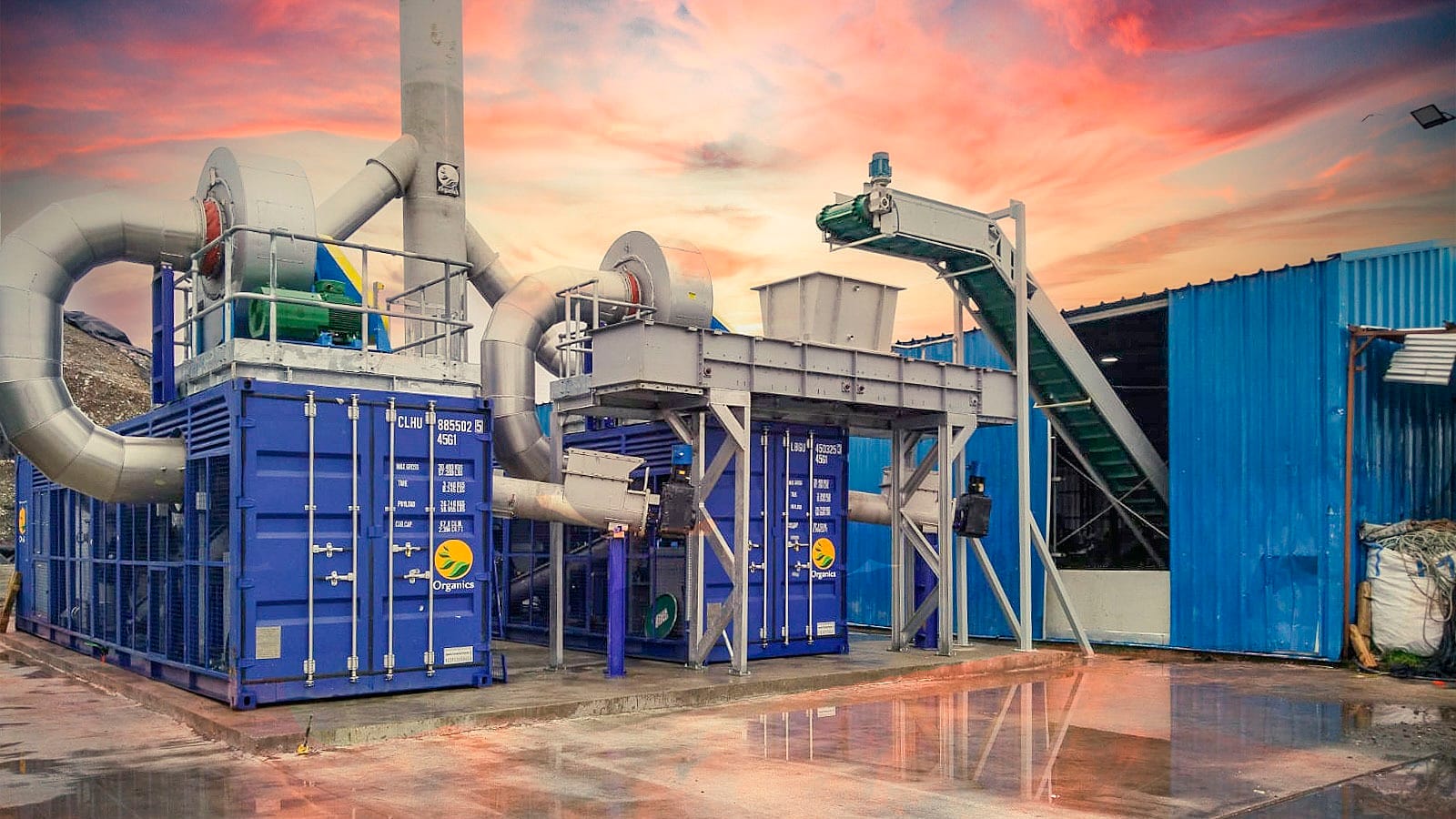
Biomass pyrolysis is a thermochemical process that breaks down organic matter at high temperatures without oxygen. One of the products of the pyrolysis process is biochar. Biochar has various benefits, one of which is its contribution to carbon sequestration or carbon absorption.

The results of the biomass pyrolysis process include:

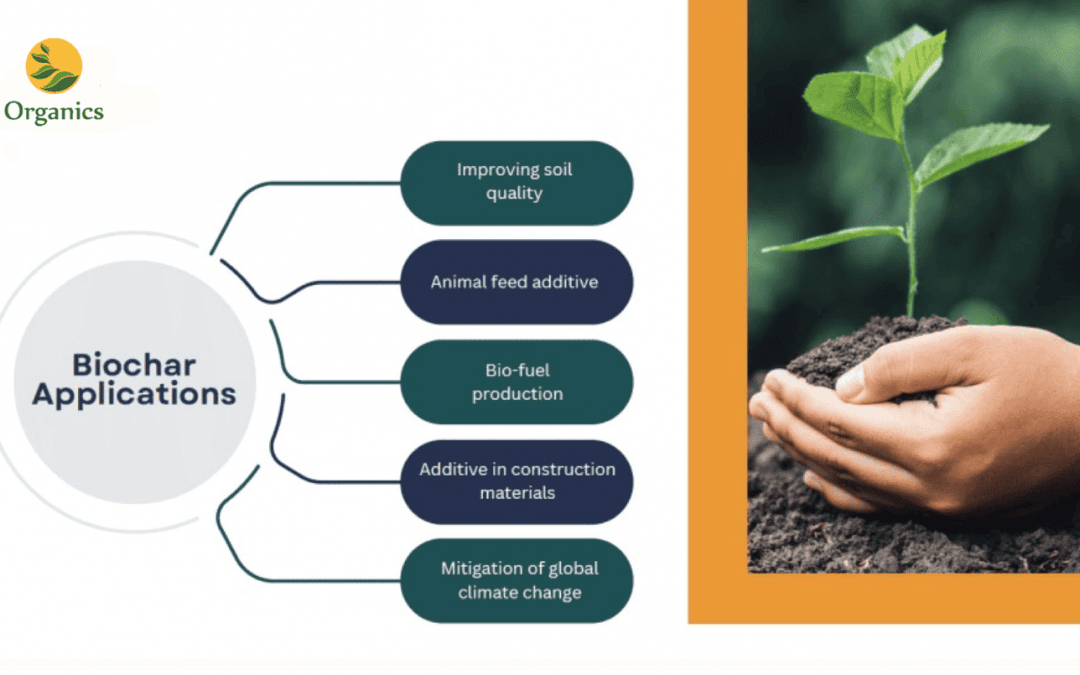
  • Biochar: A solid product rich in carbon, useful as a soil ameliorant, pollutant absorber, and fuel.
  • Biogas: A mixture of gases, mainly methane (CH₄) and carbon dioxide (CO₂), that can be used as a renewable energy source.
  • Pyrolysis Oil: A complex liquid consisting of various organic compounds, including phenols, organic acids, and ketones. This oil can be used as fuel or further processed into chemicals.
  • Flying Gas: Other light gases such as hydrogen (H₂), carbon monoxide (CO), and methane (CH₄) that can also be used as fuel.

The results of pyrolysis vary depending on the type of biomass, pyrolysis temperature, and process conditions.
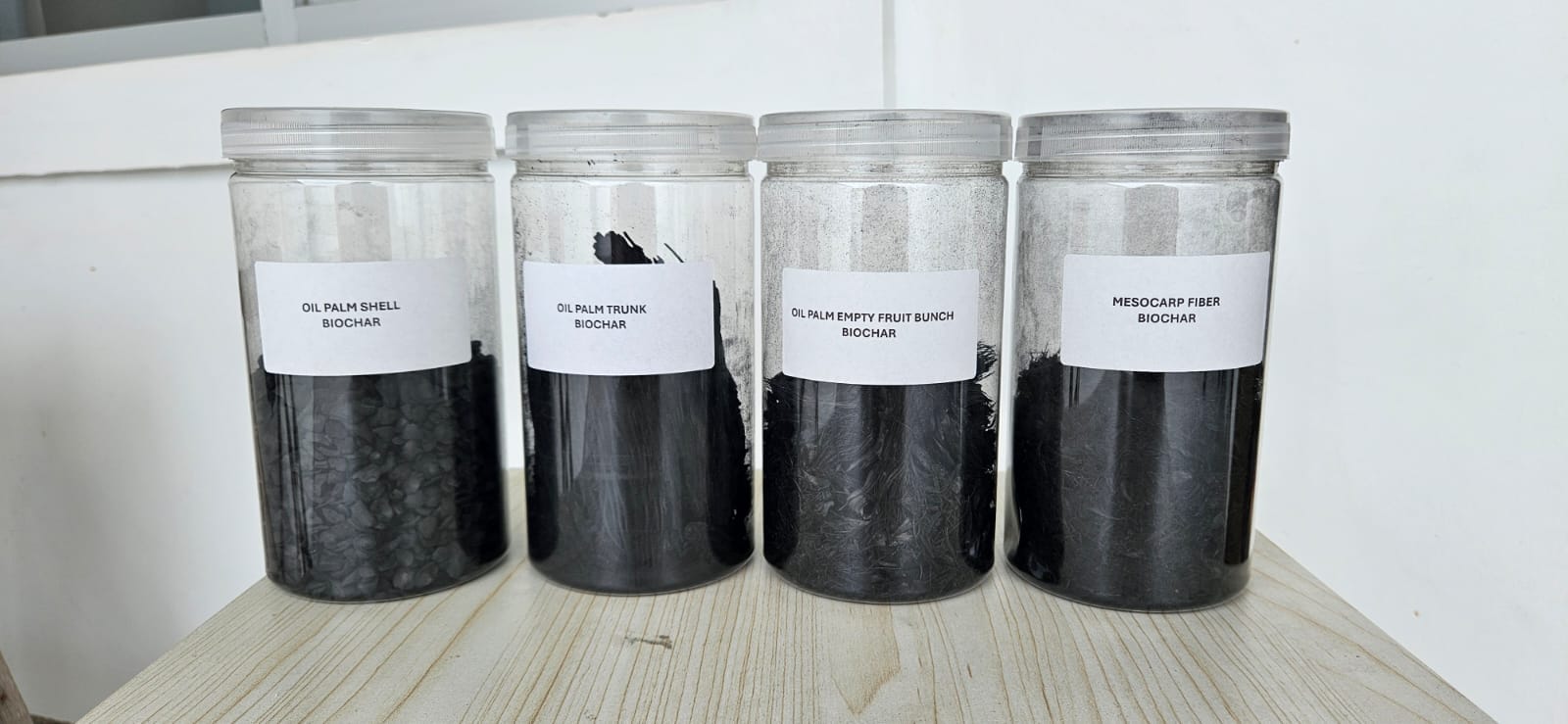
Why Biochar is an Ideal Solution for Biomass:

Biochar is an ideal solution for biomass for several key reasons:

  • Effective Carbon Storage: Plant photosynthesis absorbs CO₂ from the atmosphere and stores it in biomass. When plants die or are cut down, this carbon is released back into the atmosphere as CO₂. Sustainable biomass management aims to prevent this carbon release.
  • Pyrolysis as a Solution: Pyrolysis is an ancient technique that has been used for over three thousand years to address the problem of carbon release. Specifically, the process involves heating biomass in an oxygen-free environment, producing a stable product.
  • Biochar Production: During pyrolysis, biomass is converted into biochar, a stable form of carbon that can be used as a soil ameliorant. Thus, biochar helps improve soil health and reduce greenhouse gas emissions.
  • Carbon Sequestration Method: Biochar functions as a carbon sequestration method, storing carbon in a form that is not easily broken down and preventing it from returning to the atmosphere as CO₂.
  • Carbon Credits: The use of biochar in agriculture can be categorized as an emission reduction project that has the potential to earn carbon credits, especially in voluntary carbon market schemes. For example, the potential of biochar as part of the climate solution in Indonesia is recognized and supported by the Indonesian government, as stated in the Regulation of the Minister of Environment and Forestry Number 7 of 2023 concerning Procedures for Carbon Trading in the Forestry Sector.

By using biochar, biomass is not only managed sustainably but also makes a positive contribution to the environment and economy through emission reduction and carbon credit trading.

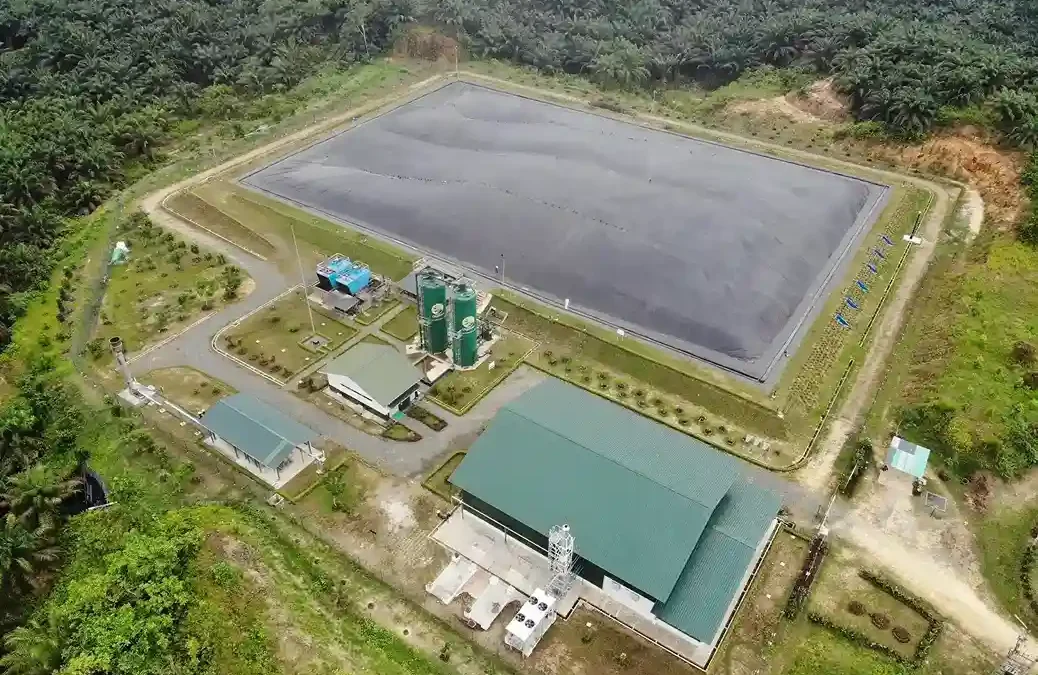
5. Complete Biogas Plant – Biogas Feedtrain
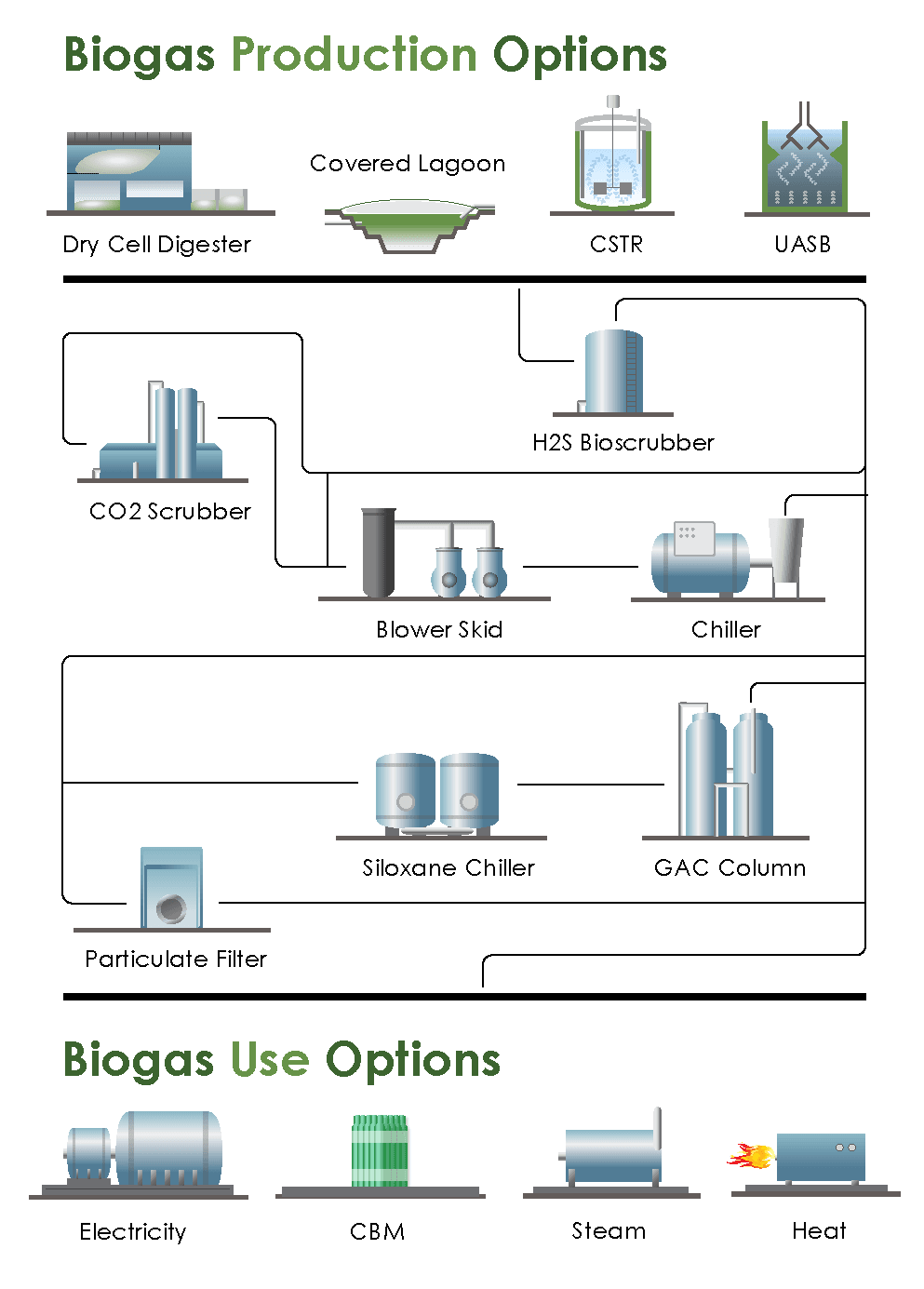
Biogas feedtrain refers to the system or process used to manage and feed feedstock into an anaerobic digestion system for biogas production. It includes several important stages in the processing of the feedstock before it enters the anaerobic digestion reactor. The following are the main components of a biogas feedtrain:

1. Biogas Plant

The biogas plant is the initial component that includes the collection and digestion of organic matter to produce biogas. It consists of an Anaerobic Digester (AD), where anaerobic digestion occurs in the absence of oxygen, and a Continuous Stirred-Tank Reactor (CSTR).

  • Anaerobic Digester (AD): The biogas reactor where the anaerobic fermentation process occurs to produce biogas. The biogas digester is an essential component that enables the production of biogas from organic waste.
  • Continuous Stirred-Tank Reactor (CSTR): The ideal biogas digester component for POME treatment as it allows for uniform mixing and efficient gas separation.

Anaerobic Digester (AD) is the most ideal component for palm oil mills because it is able to handle large volumes of POME and produce biogas with high efficiency. In addition, the CSTR system allows for better process control, ensuring stable biogas production, but at a higher price.

2. Gas Engine

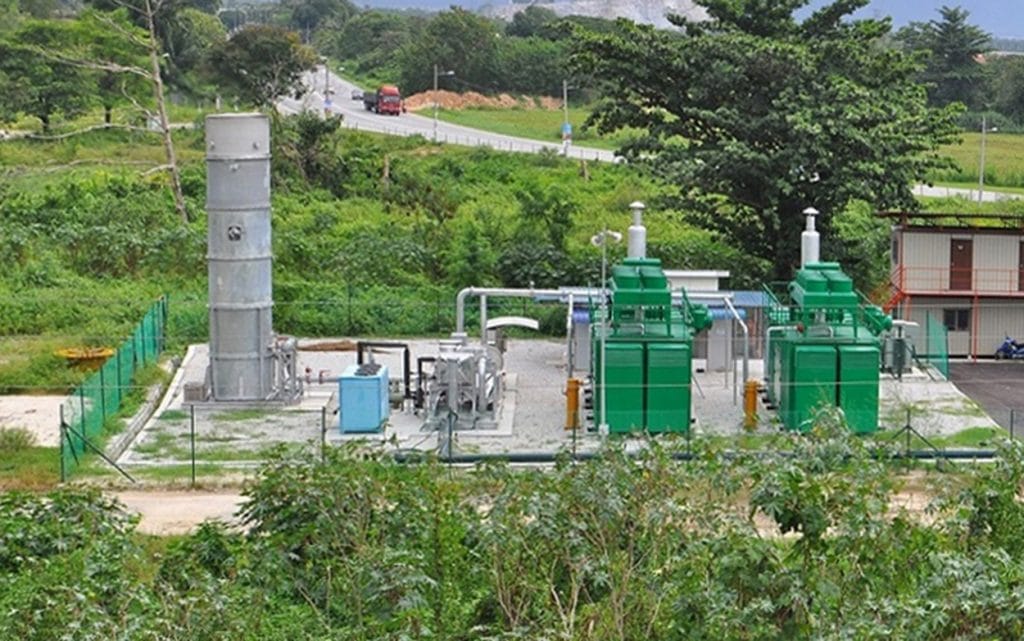
The Gas Engine function is to move and regulate the flow of biogas from the reactor to the purification or storage system. A blower is used to move the biogas gas through the system, while a gas pump helps move the biogas from one part of the system to another. Both of these machines are essential to ensure a stable and consistent gas flow.

3. Biogas Purification or Treatment

Biogas purification or treatment is the stage where the biogas is cleaned and treated to remove contaminants.

  • Bioscrubber uses microorganisms to remove contaminants
  • Chiller cools the biogas to reduce humidity and condensation.
  • Filters remove solid particles and contaminants,
  • Siloxanes that can damage equipment must be removed through the purification process.
  • Flare serves as a safety system to burn gas that cannot be stored or used, reducing the risk of explosion or leakage.

4. Electric Generator
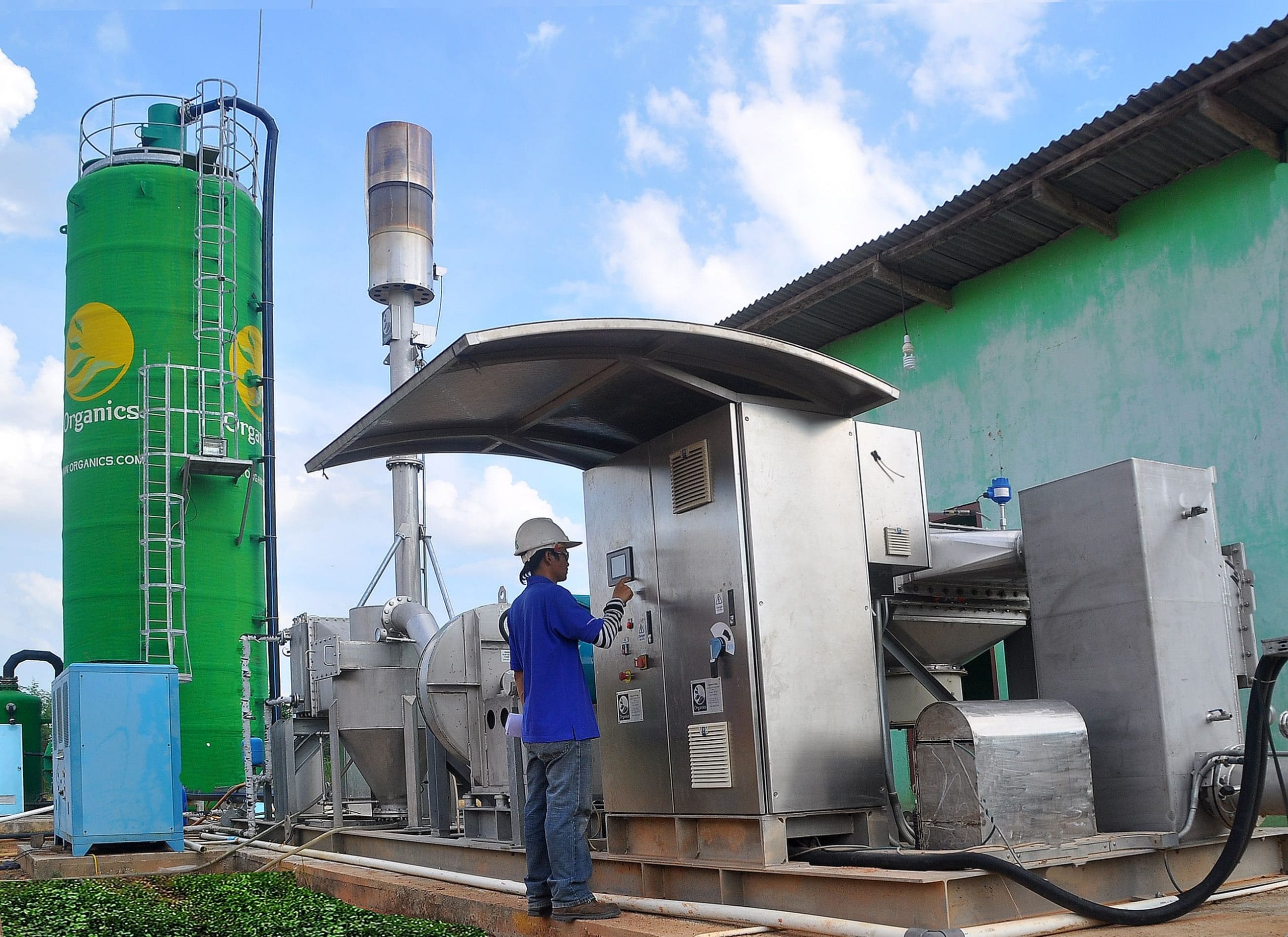
After the gas purification stage, the final stage is the conversion of biogas into electricity through the power house. The electric generator in the power house converts the purified biogas into electricity. The electricity produced can be used for various purposes, either for factory operational needs or sold to PLN. The sale of electricity must comply with applicable regulations, which will be discussed in the next section.

In addition to electricity, biogas can also be used as Co-Firing, and these benefits can be a source of long-term income. Click the following link to read related articles on what can be used from Biogas and its economic benefits.

6. Compressed BioMethane (CMB) 

Compressed BioMethane (CBM) is a biogas fuel that has been purified and compressed into pure methane, offering higher and cleaner combustion efficiency than fossil fuels. The purification process removes CO2 and impurity gases, resulting in CBM which is ideal as an alternative fuel.

In Indonesia, with many palm oil mills, CBM can be an efficient solution for fuel for transport trucks, from fruit to the final CPO product. In addition to the economic benefits of saving fuel costs, CBM also contributes to reducing carbon emissions and dependence on fossil fuels.

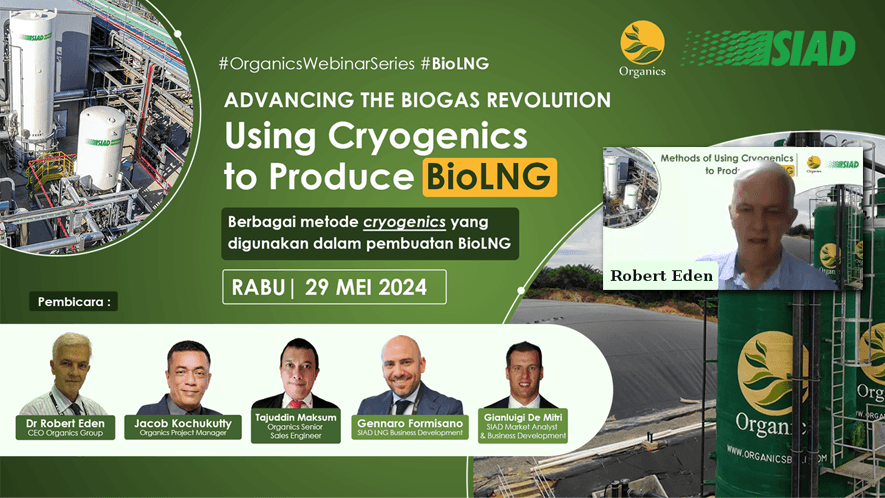
CBM can also be developed into BioLNG, with the added benefit of higher energy density. For more information, watch our webinar recording at the following link :
Regulatory Framework: Supporting Biogas and Biochar Development in Indonesia

The implementation of biogas and biochar technology in Indonesia cannot be separated from strong regulatory support. The Indonesian government has issued various regulations that support the development of renewable energy, including in the utilization of industrial waste such as POME. Here are some relevant regulations:

  • Presidential Regulation No. 112 of 2022 concerning the Acceleration of New and Renewable Energy (EBT) Development
  • Ministerial Regulation of the Environment and Forestry Number 7 of 2023 concerning Procedures for Carbon Trading in the Forestry Sector
  • Regulation of the Minister of Energy and Mineral Resources No. 50 of 2017 concerning the Utilization of Renewable Energy for Electricity Provision

With the support of these regulations, palm oil mills that implement biogas and biochar technology not only contribute to sustainability efforts but can also take advantage of various incentives and carbon trading schemes available.

Conclusion: A Pathway to Sustainable Palm Oil Production

The application of biogas and biochar in the management of palm oil mill waste offers several significant benefits. First, biogas from POME not only provides a renewable energy source but also reduces greenhouse gas emissions, supporting the Net Zero goal.

With Organics, palm oil mills can adopt technologies that can improve operational efficiency, reduce environmental impacts, and open up new economic opportunities through carbon trading and renewable energy production. In addition, regulatory support from the Indonesian government further strengthens the position of biogas and biochar as an integral part of a more environmentally friendly and sustainable future for the palm oil industry.

Sumber:

Nasution, M. A., Wulandari, A., Ahamed, T., & Noguchi, R. (2020). Alternative POME treatment technology in the implementation of Roundtable on Sustainable Palm Oil, Indonesian Sustainable Palm Oil (ISPO), and Malaysian Sustainable Palm Oil (MSPO) standards using LCA and AHP methods. Sustainability, 12(4101). https://doi.org/10.3390/su12104101

Sodri, A., & Septriana, F. E. (2022). Biogas power generation from palm oil mill effluent (POME): Techno-economic and environmental impact evaluation. Energies, 15(7265). https://doi.org/10.3390/en15197265

World Biochar Certificate. (2023). Guidelines for a sustainable production of biochar and its certification (version 1.0). Carbon Standards International. http://www.european-biochar.org

Zhu, L., Lei, H., Zhang, Y., Zhang, X., Bu, Q., Wei, Y., Wang, L., & Villota, E. (2018). A review of biochar derived from pyrolysis and its application in biofuel production. SF Journal of Material and Chemical Engineering, 1(1007).

Contact Us

For more information about biogas systems and how they can benefit your organization, contact our sustainable energy consulting team today. Embrace green innovation and transform your waste management strategy with the latest biogas solutions.
The Use of Biogas as an Alternative Energy Supply in Indonesia

The Use of Biogas as an Alternative Energy Supply in Indonesia

With global consumption continuing to increase, there is a concomitant thirst for power to fuel demand. But if met by fossil fuel, the price paid might just cost the earth. What then are the options for fuelling the future in a way that ensures there is one?

For many years now, renewable energy has been developed in projects around the globe; this to the point that renewable energy is now cheaper than conventionally produced power. This, of course, has the added benefit of avoiding the liberation of carbon that has been locked up for millennia.

Over the last thirty years, the use of biogas as a renewable fuel source has not only become a well-understood field of expertise, but it has also become an attractive investment as it fulfils many of the criteria laid down by the growing body of legislation designed to meet International targets of reducing GHGs (Green House Gases).  Even with the persistence of climate scepticism on the part of some influential legislators, momentum, in terms of transposing the basis of our base energy supply, appears to be unstoppable. Biogas, and its use as a viable fuel, offers as small but important component within the armoury of weapons being deployed against climate change.

Biogas_Power Generation

In Indonesia, the reliance on fossil fuels to meet the burgeoning domestic energy demand has made it amongst the world’s largest greenhouse gas emitters. Following ratification of the Paris Agreement, Indonesia indicated that it would be targeting a 26% and 29% GHG emission reduction rate by 2020 and 2030 respectively. This, unfortunately, is some way from being achieved as, over the past five years, energy generation using coal has increased by around 12.2 GW. This compares with only 1.6 GW of renewable energy, and planned capacity additions for renewables have been slashed in favour of coal.

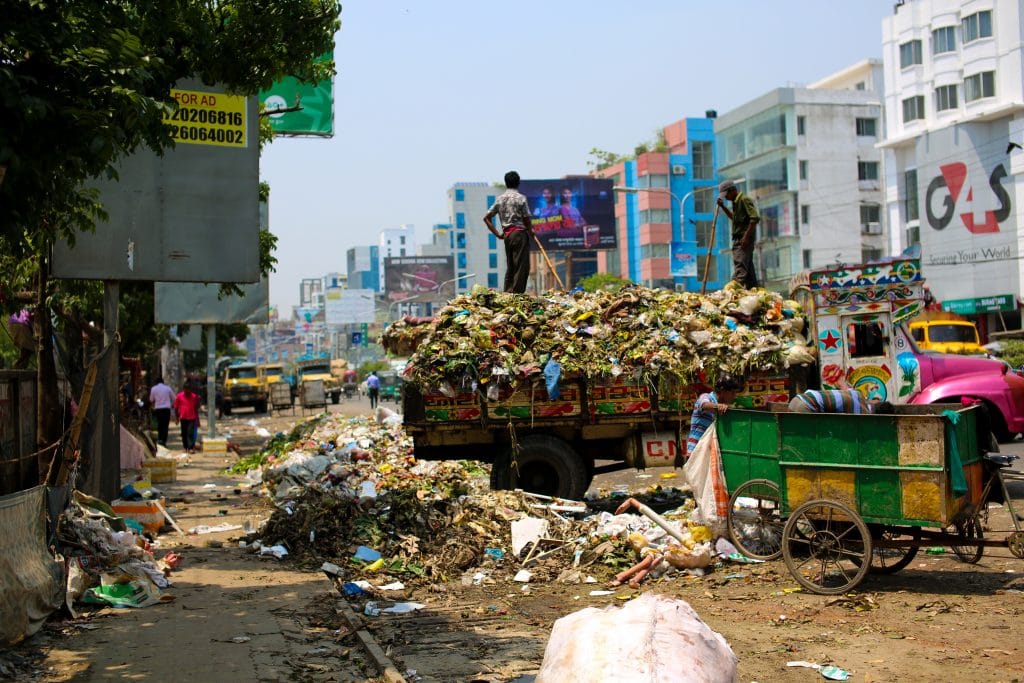
However, as is well documented, with increased demand, there is increased waste, and Indonesia is no different to other countries. Indonesia produces large amounts of organic waste material, mostly food waste, that is currently being underutilised or simply dumped. There is little doubt that biogas generated from this material would offer significant environmental and social benefits, not only as a locally generated energy source but also as a field of technical development and employment throughout Indonesia. Because of the level of accumulated technical experience in developing biogas to energy plants, this type of project can be thought of as ‘low-hanging-fruit’ in terms of the development of viable renewable energy strategy.

The production of waste organic material is only set to increase, and it has been estimated that about 9,597 Mm3/year of biogas could potentially be generated from animal waste alone in Indonesia, a production that could be utilized to generate enough electric power to supply the energy demands of several thousand homes throughout Indonesia.

Biogas Production in Indonesia

Biogas Production in Indonesia

Indonesia produces large amounts of organic waste that, to avoid environmental contamination, must be carefully managed. Currently, most of this material is viewed as just that, waste. The reality is that it is a resource that is being overlooked and underutilised, or put simply, dumped.  

After Saudi Arabia, Indonesia’s population is the second largest organic waste generator in the world, with over 60% of solid waste being food. In terms of agriculture, it has been estimated that from animal waste alone, around 10,000 MNm3/year of biogas, enough to generate up to 1.7 x 10⁶ kWh/year of electrical energy, could potentially be produced from this waste. If biogas from the treatment of the effluent from the production of palm oil and cassava are included into the mix, the potential for power generation and the displacement of fossil fuel energy sources increases by a further 1,800 MWh/year.  

organic waste

Indonesian agroindustry generates significant quantities of organic waste. In many cases, this waste is viewed as a commercial disincentive in that disposal routes which result in an operational loss continue to be employed. The organic fraction of landfill, sewage sludge, and effluent from palm oil and cassava mills are also waste streams that, instead of representing a cost centre, should be viewed as an additional value stream for any business whose main activity is not waste management. 

Anaerobic digestion is a tried and tested technology that can be adapted to handle large or small volumes of material and has successfully been deployed in many projects around the world. It is rapidly becoming the preferred technology for providing a solution as to how to manage the considerable volumes of organic material whose current destination terminates in landfill, a disposal method that is quickly becoming the trademark of a society that does not appreciate the value of their own resources. Of course, anaerobic digestion of organic waste is not only a way to manage waste and reduce contamination, it is, as has been pointed out above, also a mechanism in which significant quantities of biogas can be produced

anaerobic digestion for biogas in Indonesia

Agriculture, and industries allied to it are the main potential beneficiaries of the implantation of anaerobic digestion as a mechanism for large-scale treatment of organic waste and the conversion of what is generally considered to be a problem into a resource. The biogas produced can be collected and cleaned, then used as an alternative to fossil fuel, the digestate can be further processed to be used as a fertilizer and the treated water from an anaerobic reactor, once it has been treated to comply with the discharge consent, can be released to the watercourse. 

Although important in this sense, anaerobic digestion is not merely a mechanism to benefit only the shareholders of the enterprise by recovering value from the waste stream of any given industry, it is also a mature technology designed to avoid contamination and improve the public perception of the project, a commercial strategy that will, ultimately, result in increased sales from consumers who demand environmental responsibility.  

The Production of Biogas from Palm Oil Plants in Indonesia Using Lagoon Technology

The Production of Biogas from Palm Oil Plants in Indonesia Using Lagoon Technology

Biogas production in Indonesia is an increasingly important and attractive option both for reducing the operating costs of industrial plants and for reducing greenhouse gases to the environment. In particular, palm oil mills generate large amounts of both solid and liquid wastes, and it is the effluent, or POME, that has been singled out by the operators as the most expensive and difficult to manage.

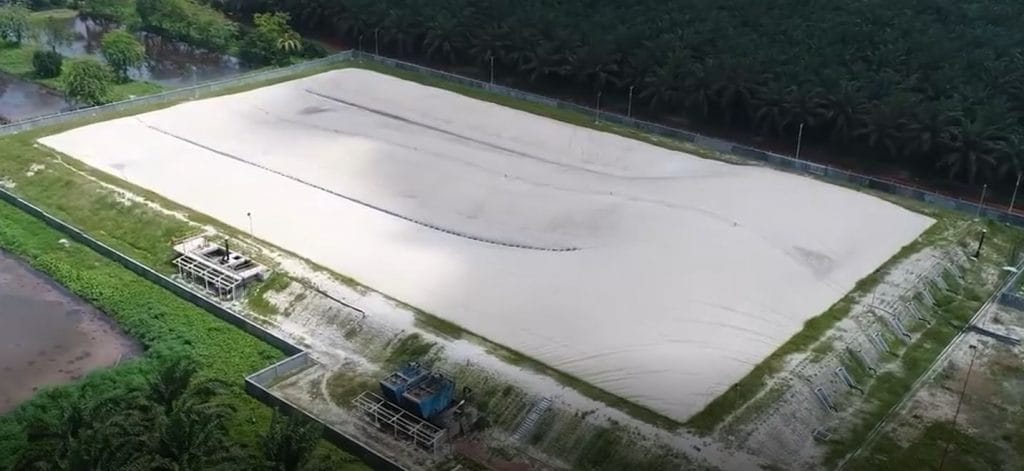
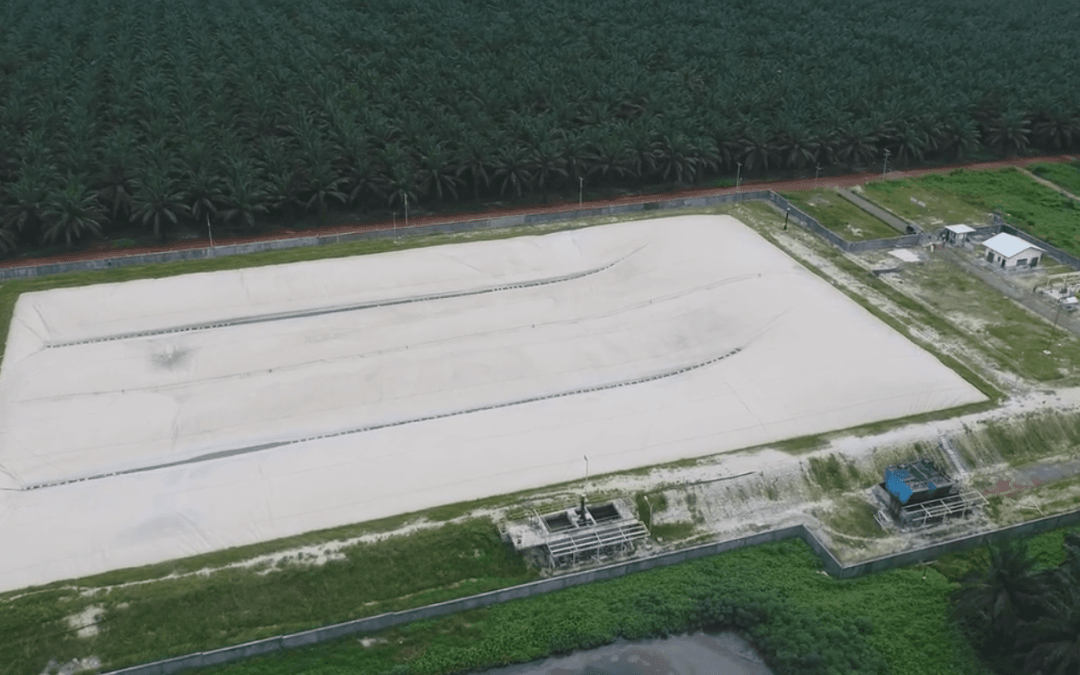
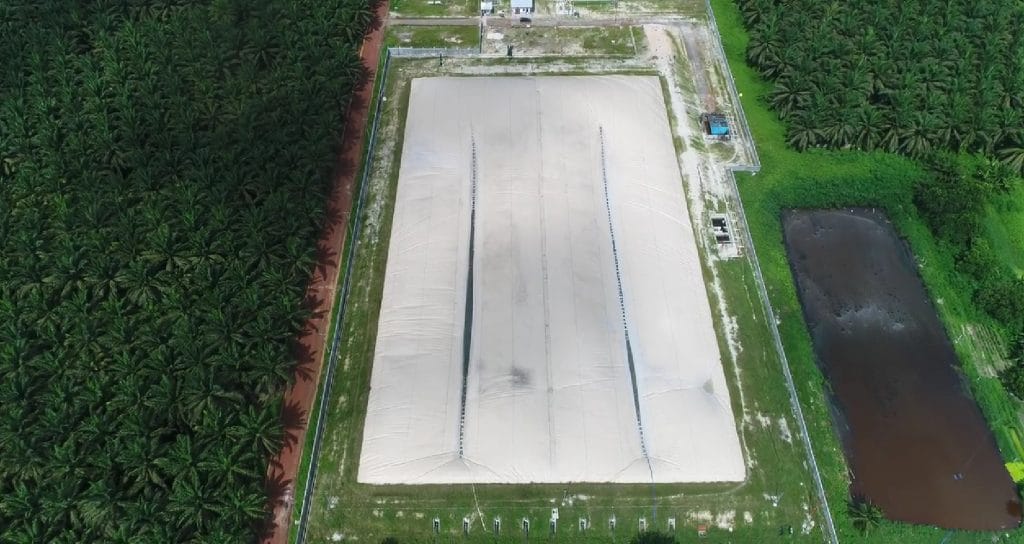
The normal method of dealing with the large volumes of effluent resulting from such operations is that of capturing the effluent in a covered lagoon. Palm oil mill effluent lagoons can be converted into efficient anaerobic digestors that not only reduce the organic loading of the effluent but can also produce commercial quantities biogas for on-site power generation or for export to the national grid.

Palm oil production relies heavily on the use of water with about 0.5-0.75 tonnes of POME being generated for every tonne of fresh fruit bunch (FFB) processed. If released directly to the environment, raw POME depletes water bodies of oxygen and kills aquatic life. Added to this, in Indonesia, palm oil mills have been cited as being a significant source of uncontrolled methane release to the environment. If this is extrapolated across an increasingly important global industry it is clear that palm oil production, apart from the bad press the industry has even before pollution is considered, constitutes a major contributor to the balance of global warming gas emissions.

covered lagoon at sinarmas for biogas

The principal characteristics of POME are the high levels of COD and BOD entrained within it. Anaerobic digestion, and the production of biogas involves the breakdown of organic material in an oxygen-free environment. Under anaerobic conditions, methanogenic bacteria flourish, and both COD and BOD are significantly reduced at the same time as commercially significant quantities of methane gas is produced. For this reason, anaerobic digestion has been increasingly employed for the treatment for wastewater, as the methane produced can not only be used to generate power but also the reduction of greenhouse gases can be used as a mechanism for carbon offsetting.

In the production of biogas from POME, anaerobic digestion equipment consists, in simple terms, of an anaerobic reactor volume, a gas holder to store the biogas a mechanism to clean the gas of highly toxic elements such as H2S and, if electricity is to be produced, a biogas-fuelled engine and generator set.

Organic waste is broken down in the anaerobic digestion reactor, with up to 60% of this waste being converted into biogas although it is important to stress that the rate of breakdown depends on the nature of the waste, the reactor design, and the operating temperature.

The process of anaerobic digestion (AD) for biogas production consists of three principal steps. In the case of POME, the first step is the decomposition (hydrolysis) of organic matter. This step breaks down the organic material to usable-sized molecules such as sugar. The second step is the conversion of decomposed matter to organic acids. Finally, the acids are converted to methane gas. Process temperature affects the rate of digestion and, in order to avoid process interruption, it should ideally be maintained in the mesophillic range (30ºC to 35ºC).

Palm oil production is an important commercial activity. However, in order to ensure that the economic viability is optimised, it is incumbent on producers to engage in the development of sustainable practices that also ensure environmental protection. By using techniques that can convert waste material into an economic resource whilst also reducing the environmental impact, there is little reason why palm oil cannot be perceived as being a benefit both to the local community and to humanity rather than a liability.

Biogas as a Fuel Source

Biogas as a Fuel Source

Over the last thirty years, the use of biogas as a renewable fuel source has not only become a well-understood field of expertise, it has also become an attractive investment as it fulfils many of the criteria laid down by legislation designed to meet International targets of reducing GHGs (Green House Gases).  Even with the rise of scepticism on the part of influential legislators, the momentum, in terms of transposing the basis of our base energy supply, appears to be unstoppable. Biogas, and its use as a viable fuel, offers a small but important component within the armoury of weapons being deployed against the increasingly evident threat of climate change.

Biogas is generated by the degradation of organic waste produced by agriculture, or by the accumulation of organic material from urban waste in landfill sites. Traditionally, it is an environmental problem in that methane, a major component of biogas, is highly explosive and is more than 21 times more effective as a GHG than CO2.  However, the many projects that have successfully used biogas to generate energy, mostly in the form of electricity, and thus reducing its uncontrolled release to the atmosphere, have clearly demonstrated that biogas projects are a viable alternative for both increasing renewable energy capacity and directly removing a highly toxic GHG from the environment whilst, at the same time, displacing the use of fossil fuels as a primary fuel for energy production.

Legislation for controlling biogas (or, to focus on its main active component, biomethane[1]), which effectively legitimises its place within the spectrum of fuels that can be employed for the generation of energy, has been enacted at both national and international levels in many countries around the world. The purpose is not only to reduce environmental contamination but also to promote its use as a mechanism to ensure that legally binding environmental targets are met.

Indonesia’s reliance on fossil fuels to meet increasing domestic energy demand has made it among the world’s largest greenhouse gas emitters[2]. Following ratification of the Paris Agreement, Indonesia indicated that it would be targeting a 26% and 29% GHG emission reduction rate by 2020 and 2030 respectively. This, unfortunately, is some way from being achieved as, over the past five years, energy generation using coal has increased by around 12.2 GW. This compares with only 1.6 GW of renewable energy and planned capacity additions for renewables have been slashed in favour of coal[3].

Indonesia produces a large amount of organic material that is currently being underutilised or simply dumped. There is little doubt that biogas offers significant environmental and social benefits as a locally generated energy source throughout Indonesia.

Like any other engineering project, a biogas-to-energy project should be subject to a thorough risk assessment prior to being developed. This generally falls into two sectors: technical and commercial.

In terms of the commercial side, renewable energy initiatives are indeed being developed by private companies in Indonesia but there is less investment in the biogas-to-electricity market mainly due to a generally unsupportive legislative environment for biogas-for-electricity projects. Biogas power plants have relatively high initial set-up and operating costs and, if there is no effective feed-in tariff or little possibility for a private purchase agreement between a power generator and a user, commercial incentives for developing such projects are low.

Because of the level of accumulated technical experience in developing biogas to energy plants, this type of project can be considered to be ‘low-hanging fruit’ in terms of the development of renewable energy capacity. Waste organic material is only set to increase, and it has been estimated that about 9,597 Mm3/year of biogas could potentially be generated from animal waste alone in Indonesia, a production that could be utilized to generate electric power up to 1.7 × 106 KWh/year[4].

biogas anaerobic disgestor

With regard to the technical experience in the collection, treatment and preparation of biogas for use as a fuel, the technology has improved considerably since the days of sticking a pipe into a pile of rubbish and lighting the gas stream with a petrol-soaked rag. However, in terms of risk analysis, this type of project is not without its own peculiarities. It is now recognised that, in order to ensure that the technology risk of a biogas project is adequately mitigated, not only must the correct procedure for project assessment be followed, but appropriate techniques and equipment for treating and using the gas must be employed.

A biogas-to-energy project is one in which there are several subsets of expertise necessary. These include gas resource assessment, gas collection, treatment and preparation; as well as control, use and long-term operation of all equipment.

A biogas-to-energy project commences with resource assessment, a critical phase of the project in which all aspects are considered, and both financial and technical modelling are calculated, checked, and verified.

If the result of the assessment is positive, project planning proceeds to the technical aspects of gas management and energy production, two areas that whilst requiring differing technical abilities are not mutually exclusive. An experienced developer will ensure that the relevant skills are inbuilt into the structure of the project, as a lack of one area of expertise can lead to significant downtime and a concomitant loss of income.

Biogas_Power generation

Biogas to energy projects, indeed renewable energy projects in general, are of increasing interest not only as a mechanism of reducing GHGs but also as a means of mobilising local employment. It remains to be seen whether Indonesia’s local or national governments can be persuaded to see the benefits of this type of project, both in terms of social development through local employment and skill development, as well as the significant environmental advantages through a cut in GHG generation from using a potentially plentiful supply of waste biogas instead of fossil fuel in the production of electricity.

In many parts of the world, the treatment and use of biogas are now considered to be a mature field of technological innovation. Nevertheless, the potential of biogas as both an alternative fuel source and an effective mechanism of environmental amelioration continues to attract attention. To explore some of the aspects of this interesting sphere of engineering, Organics, partnering with Euroasiatic, will present a webinar focusing on biogas handling, processing and preparation, and will relate their experiences in equipment and engine management.

The webinar will comprise two components: in the first, Organics will look at how biogas is generated, controlled and prepared for use as a viable fuel; in the second Euroasiatic will address the use of biogas in gas engines. Their discussion will be highlighted with several of the many examples of successful projects that have been installed around Indonesia.

Click here to watch the webinar


[1] Biomethane is a naturally occurring gas which is produced by the so-called anaerobic digestion of organic matter. Chemically, it is identical to natural gas. https://www.biomethane.org.uk/

[2] Friedrich, J., Ge, M., and Damassa, T. (2015). Infographic: What Do Your Country’s Emissions Look Like? https://www.wri.org/blog/2015/06/infographic-what-do-your-countrys-emissions-look

[3] Climate Action Tracker. (2019). Indonesia | Climate Action Tracker. Retrieved 24 January 2019, from https://climateactiontracker.org/countries/indonesia/