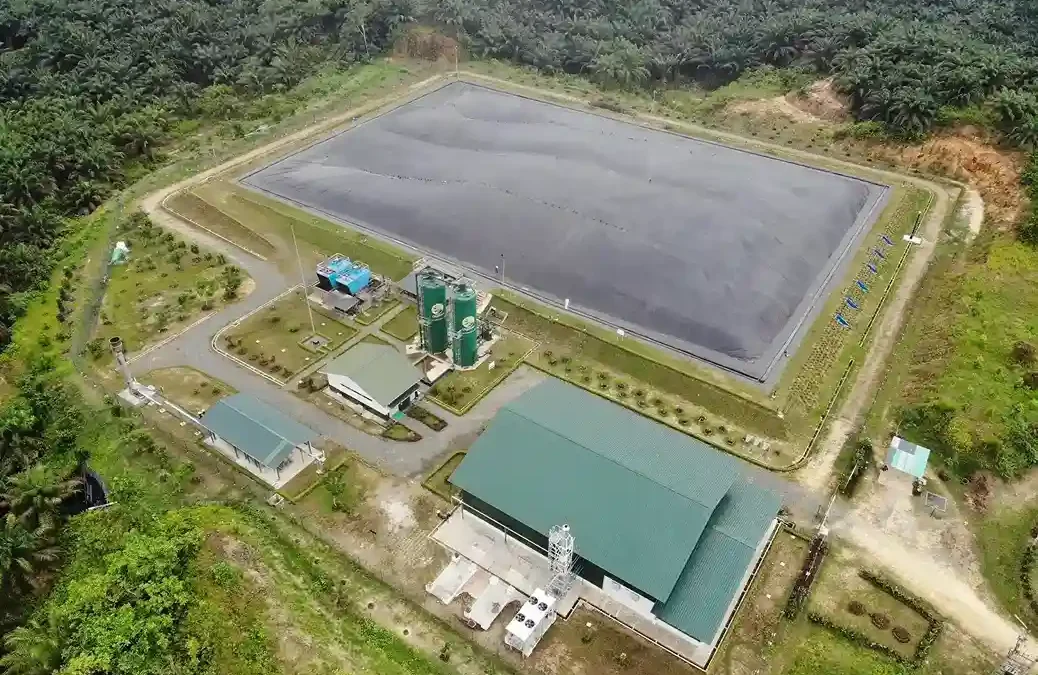
Digester Biogas dari Palm Oil Mill Effluent (pome)PT EVANSEast KalimantanThe project was for the design, installation, and commissioning of a Closed Lagoon Bio-Reactor (CLBR) for the treatment of palm oil mill effluent (POME). The objective of the project was to meet...
Benefits of Biochar: A Multifaceted Approach to Carbon Dioxide Removal (CDR) Through Biomass Pyrolysis and Carbon Sequestration
Recent Post
Biochar Roles in Mitigating Climate Change
Biochar plays a crucial role in environmental management by aiding carbon dioxide removal (CDR) and reducing greenhouse gas emissions. Through photosynthesis, plants absorb carbon dioxide (CO2), storing carbon within their structures while releasing oxygen into the atmosphere. However, when plants die or are cut down, this stored carbon typically returns to the atmosphere as CO2. Although it is not fossil CO2, it still contributes to global warming.
Biochar offers a solution through two primary mechanisms:
Carbon Sequestration
During pyrolysis, organic materials are heated in the absence of oxygen, converting them into biochar and releasing volatile gases. This process effectively fixes carbon that would otherwise be released as carbon dioxide (CO2) into the atmosphere, in the form of char. [1]
Long-Term Carbon Storage
Once applied to soil, biochar serves as a long-term carbon sink due to its resistance to decomposition. This method of treating organic material can sequester carbon for decades or even centuries, preventing its re-entry into the atmosphere through natural decay processes, thereby facilitating carbon dioxide removal (CDR).

Climate change impact (https://www.noaa.gov/)
Additionally, biochar helps to mitigate Greenhouse Gas emissions and Waste Management:
Greenhouse Gas Reduction:
Beyond carbon sequestration, biochar helps mitigate nitrous oxide (N2O) emissions, another potent greenhouse gas. By improving soil nutrient retention and creating a stable environment for beneficial microorganisms, biochar minimizes the production and release of N2O. [1]
Waste Management:
Biochar production effectively utilizes organic waste, such as agricultural residues and forestry waste, diverting it from landfills and promoting a circular economy. (PLC, 2024)
Applications of Biochar in Agriculture
Applications of Biochar in Agriculture
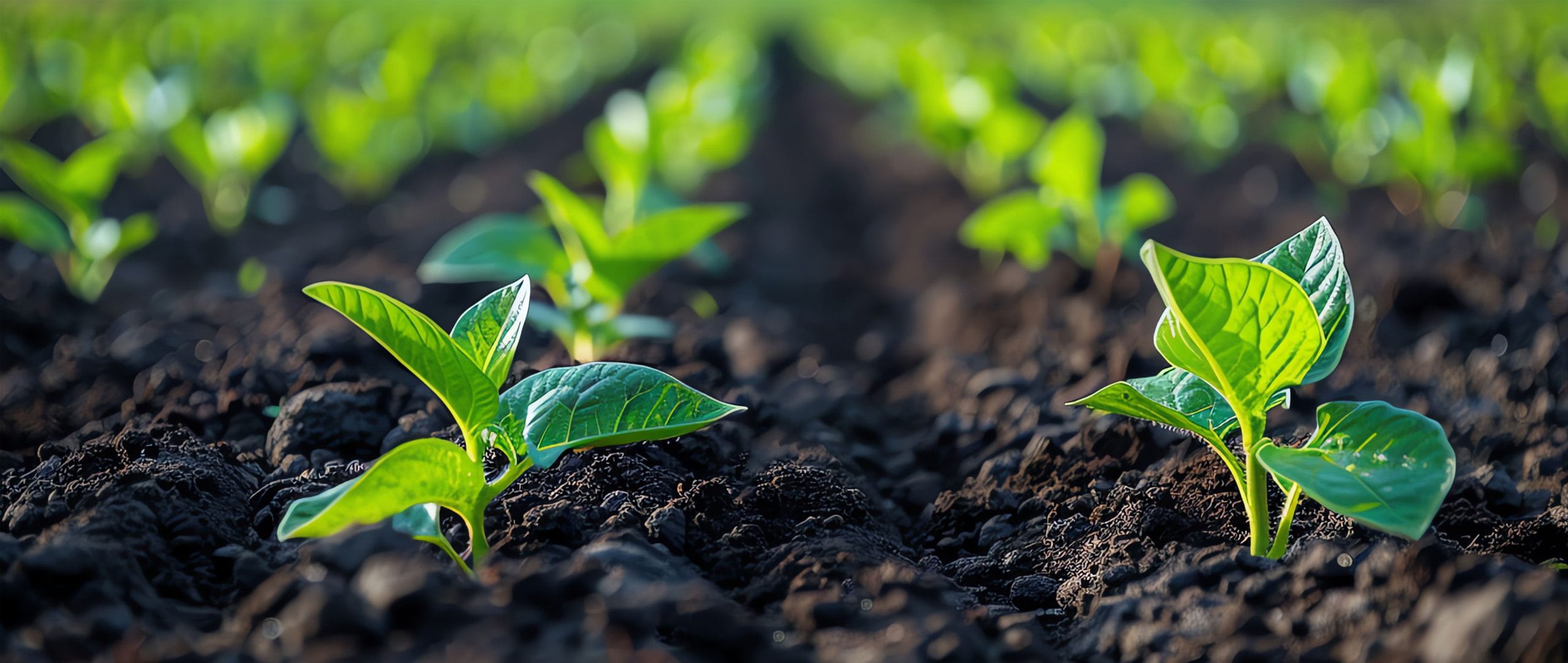
Biochar enhances agricultural productivity by improving soil health, increasing water retention, promoting nutrient cycling, and fostering microbial activity. This not only supports healthier and more productive soils but also contributes to carbon dioxide removal (CDR) by carbon sequestration in the soil.
Soil Health Improvement
Biochar enhances soil water retention, nutrient cycling, and microbial diversity, which leads to more productive soils. Its porous structure also creates a habitat for beneficial microbes that aid plant growth and suppress harmful pathogens. [1]
Nutrient Retention
With its high cation exchange capacity (CEC), biochar retains vital nutrients such as potassium, phosphorus, and calcium. By preventing nutrient runoff and leaching, it ensures plants receive a steady supply of nutrients over time. [2]
pH Regulation
Biochar influences soil pH depending on its source. It can be neutral, slightly alkaline, or acidic, helping regulate soil pH and optimize conditions for plant growth and nutrient absorption. [3]
Disease and Pest Management
By enhancing microbial diversity in the soil, biochar indirectly helps control diseases and pests. Beneficial microbes thrive in biochar-amended soils, suppressing harmful pathogens, while biochar’s porous structure can act as a barrier against some pests. [4]
Water Conservation
Biochar retains moisture and nutrients, helping to combat drought and increasing food security. This makes it particularly beneficial in drought-prone regions or sandy soils with poor water retention. [1]
Applications of Biochar in Construction Industry

Applications of Biochar in Construction Industry
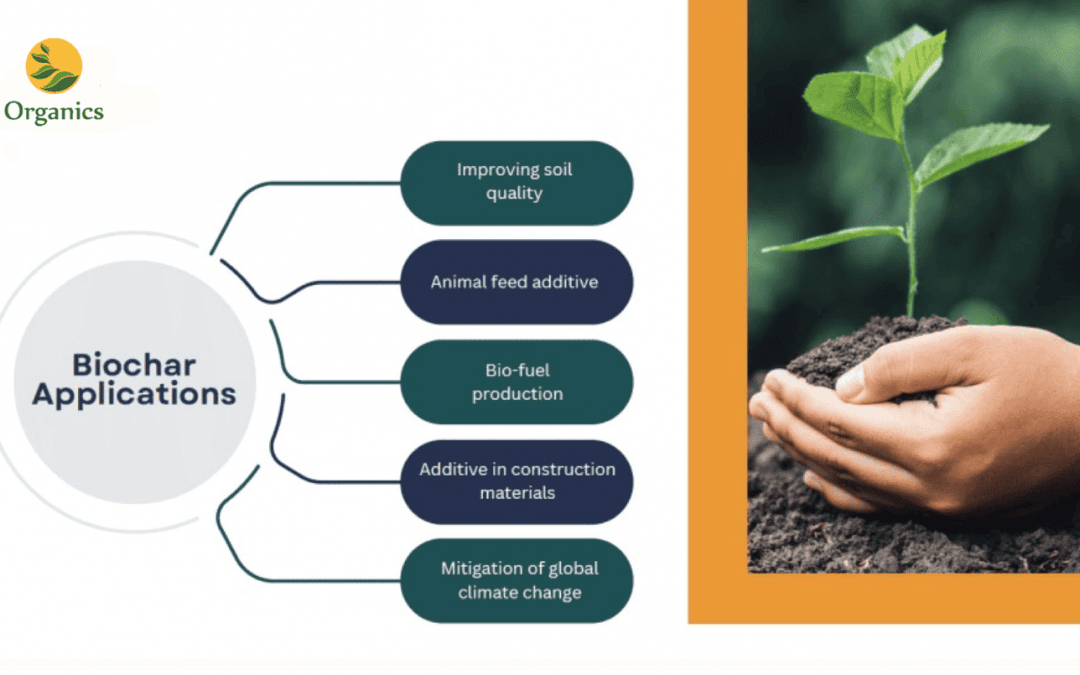
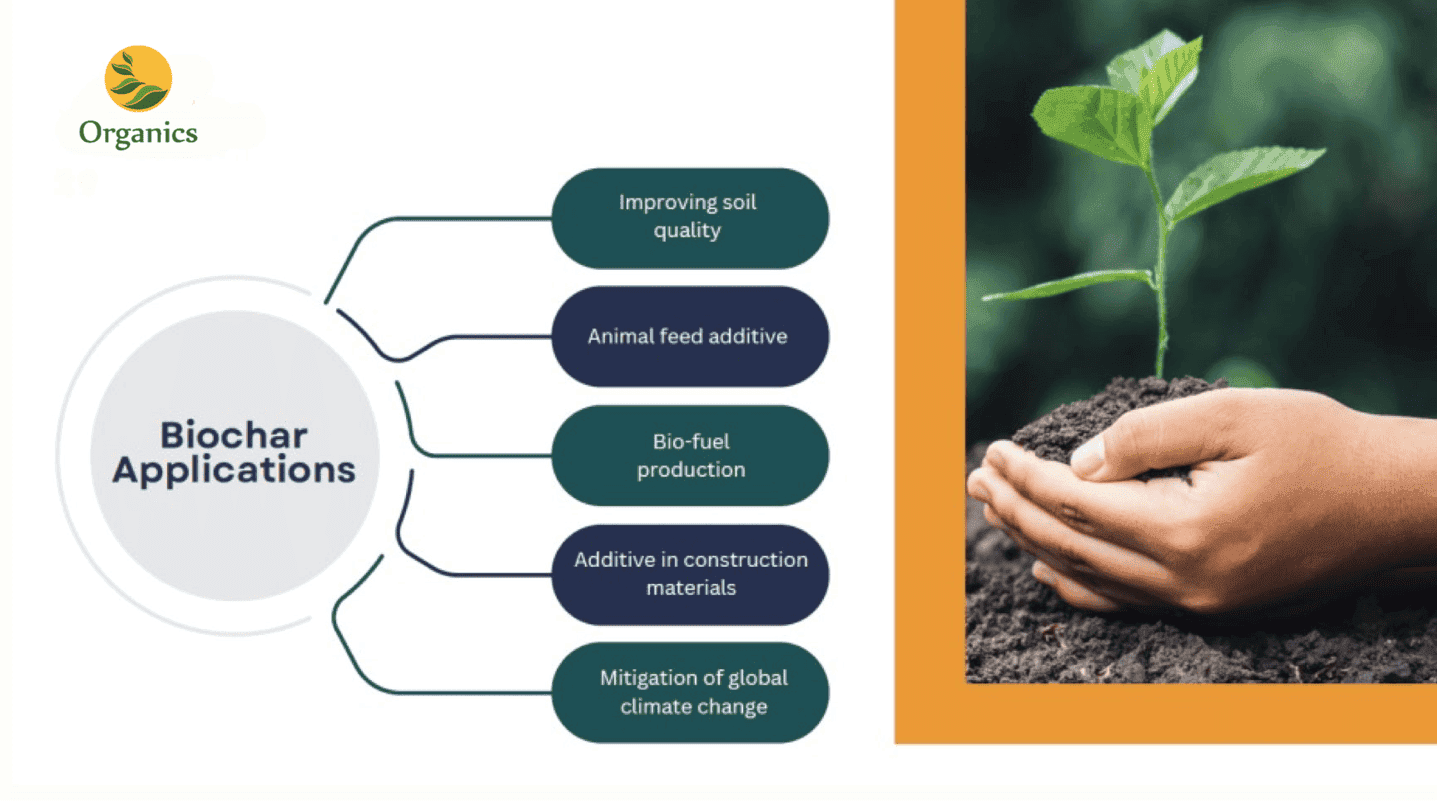
Biochar, a sustainable byproduct of pyrolysis, is finding increasing use in construction. Incorporating biochar into materials like concrete, cement, and asphalt improves their properties and enhances carbon sequestration, reducing the industry’s carbon footprint and contributing to significant Carbon Dioxide Removal (CDR).
Concrete
Replacing some cement with biochar improves concrete properties like density and thermal insulation. Studies have shown that it can also increase long-term strength and resistance. Its use in concrete reduces the carbon footprint of production while sequestering carbon within the material. [5]
Cement Production
Cement production has high carbon emissions. Using biochar as a cement enhancer enables low-carbon or even carbon-neutral cement alternatives, significantly reducing the environmental impact and promoting carbon sequestration. [5]
Asphalt
Adding biochar to asphalt mixtures improves its durability and resistance to cracking. This leads to longer-lasting roads while contributing to carbon capture and supporting effective CDR strategies. [5]
Other Potential Applications
Biochar has a wide range of potential applications beyond construction and energy production:
Energy Source [6,8]
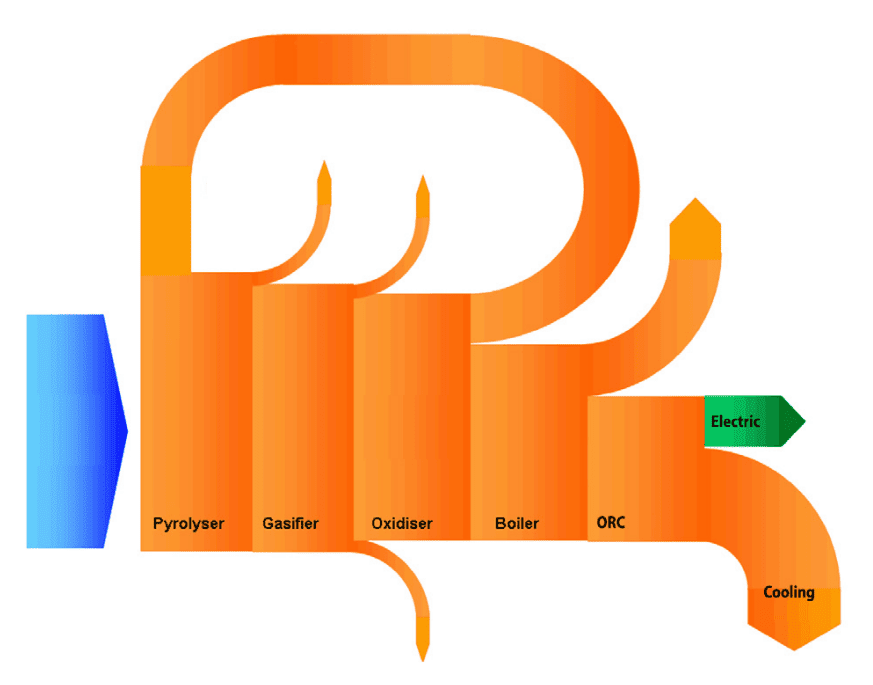
Pyrolysis process Sankey Diagram
- Syngas: Pyrolysis, the process of producing biochar, also generates syngas and bio-oil. These byproducts can be harnessed as renewable energy sources for electricity generation, heating, and chemical production.
- Bio-oil: Bio-oil is a liquid product of pyrolysis that can be:
- Used as a biofuel: Directly burned or upgraded into transportation fuels like biodiesel.
- Refined into various bioproducts: Such as chemicals and other value-added products
- Biochar as fuel: While biochar itself can be utilized as a fuel, its energy density may be lower compared to other biomass-derived fuels like bio-oil or biogas.
- Heat as energy source : Pyrolysis requires heat input to initiate and sustain the process. The heat generated during the pyrolysis process, including exothermic reactions, can be recovered and utilized as an energy source. Integrating pyrolysis with an Organic Rankine Cycle (ORC) allows for the conversion of this recovered heat into electricity.
Animal Feed Additive [7]
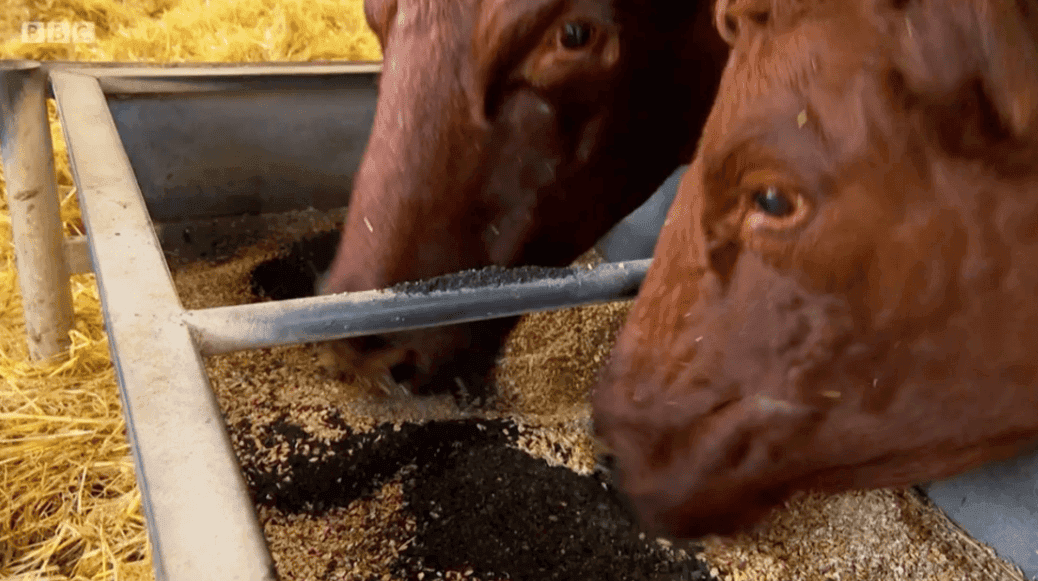
Biochar can be incorporated into animal feed as a supplement. Research suggests potential benefits such as:
- Improved Nutrient Absorption: Biochar enhances gut microbiota, improving nutrient absorption and digestion, which, in turn, leads to a significant reduction in animal induced methane production.
- Improved Feed Efficiency: Increased nutrient utilization leads to better feed efficiency and reduced costs.
- Enhanced Animal Health: Biochar may improve gut health, reduce disease risk, and boost immune function.
Disclaimer:
Use of biochar in animal feed requires careful consideration and may be subject to regulations. Consult with animal nutrition experts for appropriate biochar types, dosages, and feeding protocols.
Conclusion
Biochar’s applications extend beyond agriculture. In construction, incorporating biochar into materials like concrete and asphalt enhances their properties while sequestering carbon. This significantly contributes to Carbon dDioxide rRemoval (CDR) and promotes a more sustainable and carbon-neutral future for the construction sector.
Contact Us
For more information about biogas systems and how they can benefit your organization, contact our sustainable energy consulting team today. Embrace green innovation and transform your waste management strategy with the latest biogas solutions.