Monetisasi Limbah Residu: Produksi Biochar di Sektor Kelapa Sawit

Monetisasi Limbah Residu: Produksi Biochar di Sektor Kelapa Sawit

Indonesia, sebagai produsen utama minyak kelapa sawit di dunia, menghadapi tantangan signifikan yang berasal dari limbah yang dihasilkan oleh industri kelapa sawit. Setiap tahunnya, sejumlah besar residu pertanian seperti janjang kosong atau Empty Fruit Bunch (EFB), cangkang, serat, dan pelepah sawit diproduksi. Residu ini secara tradisional dibuang melalui pembakaran, yang berdampak pada polusi udara yang parah, atau dibiarkan membusuk, sehingga melepaskan sejumlah besar gas rumah kaca seperti metana dan karbon dioksida. Untuk mengatasi metode pembuangan ini, pendekatan inovatif dan berkelanjutan melibatkan konversi residu tersebut menjadi biochar melalui proses pyrolysis. Proses ini tidak hanya secara efektif mengelola limbah pertanian, tetapi juga membuka peluang untuk menghasilkan carbon dioxide removal credits, sehingga memberikan manfaat ekonomi sekaligus menjaga kelestarian lingkungan.

This blog is derived from : SAWIT INDONESIA VOL.XIII EDISI 158 – 15 December 2024 / 15 January 2025. Written by Organics. Any reproduction or distribution of content without permission is prohibited.

Download the original article from SAWIT Indonesia :

[wpforms id="34863"]

Post Terbaru

Bio Digester solusi Renewable Energy & Efisiensi

Bio Digester adalah teknologi ramah lingkungan yang mengubah limbah organik menjadi energi biogas dan pupuk organik berkualitas. Solusi ini membantu mengurangi pencemaran, menyediakan energi terbarukan, sekaligus memberi nilai tambah dari sisa limbah yang biasanya...
Memahami Biochar dan Pirolisis

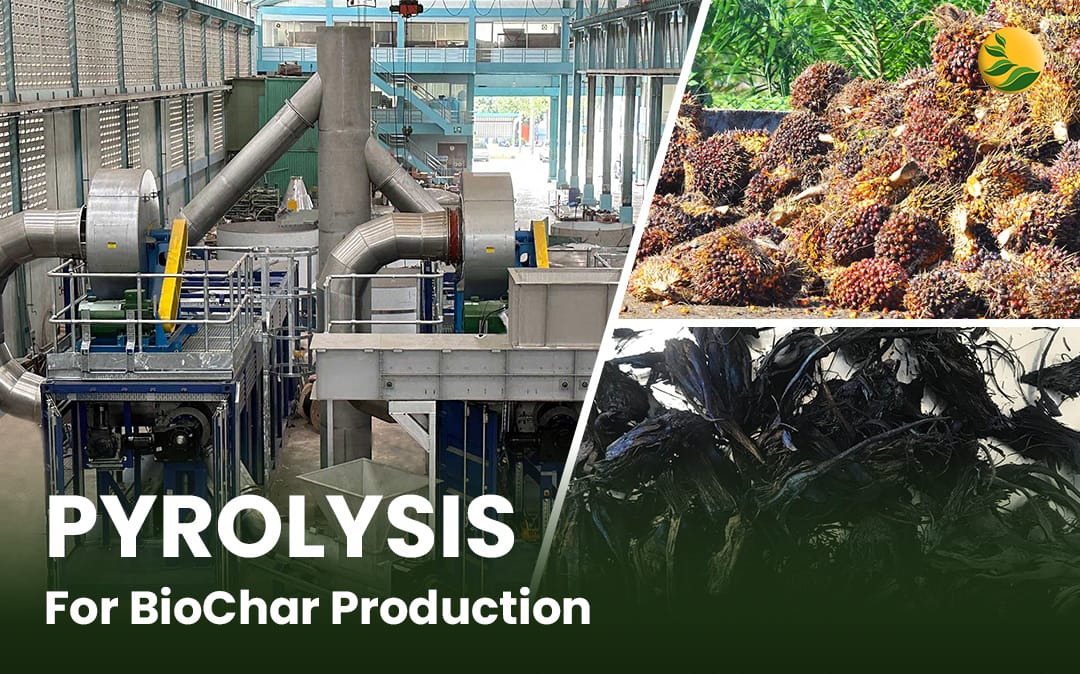
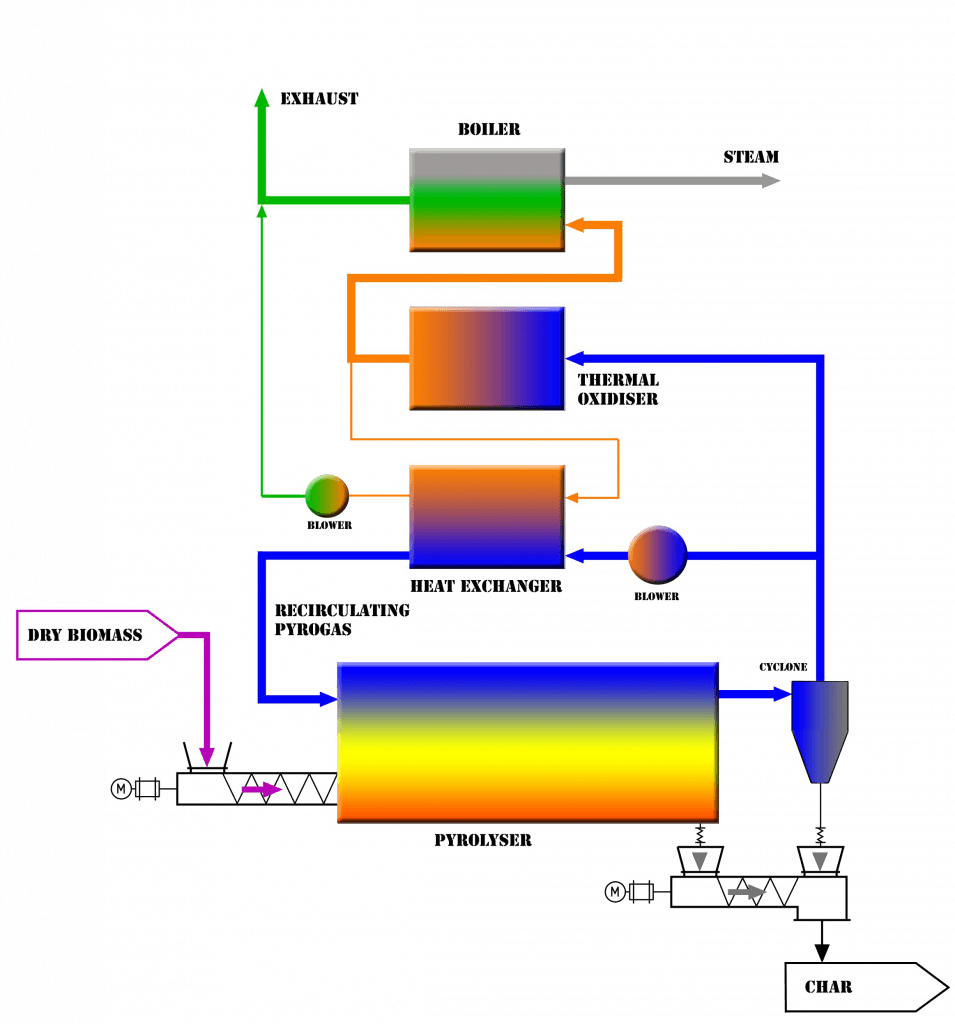
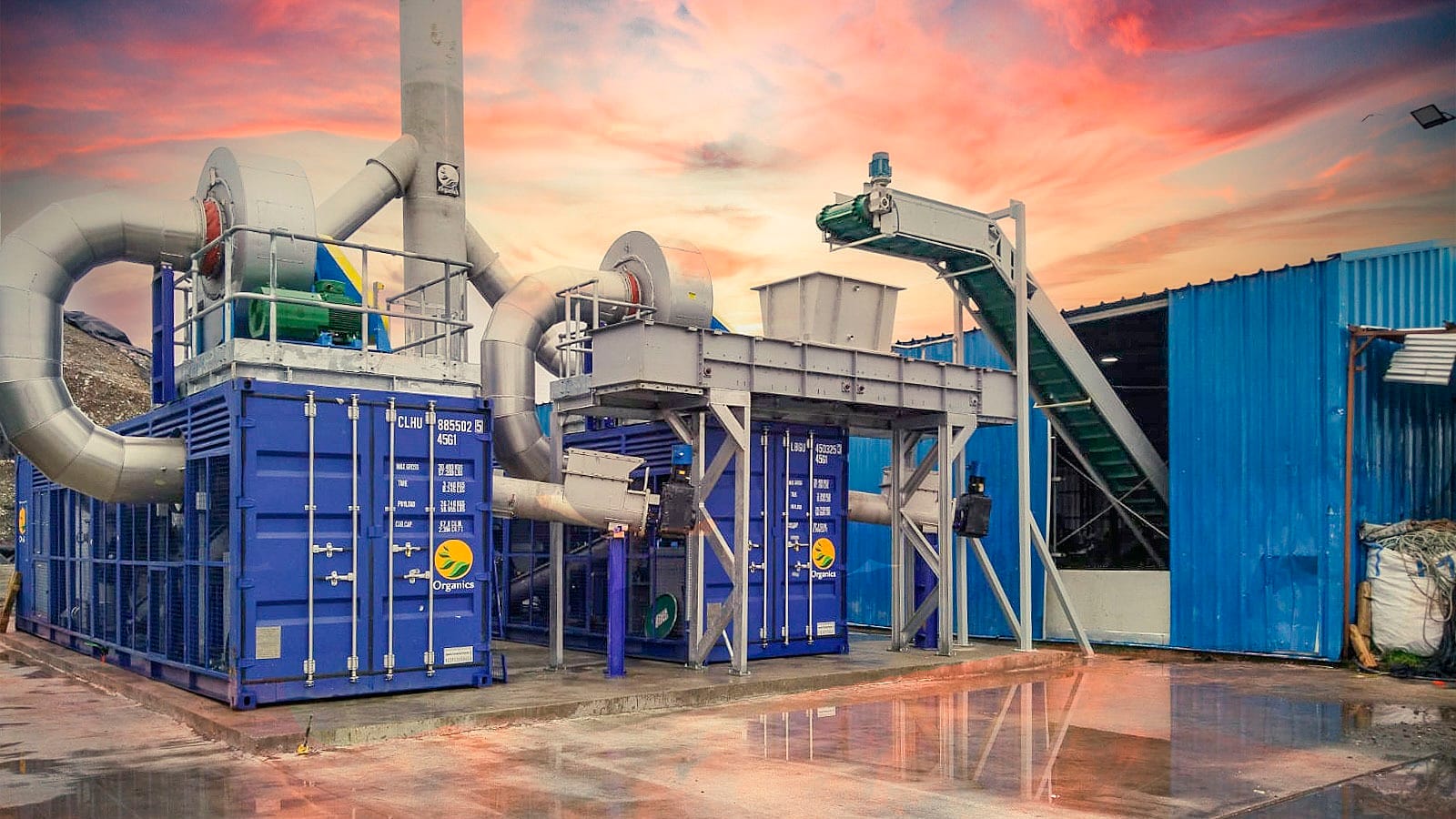
Biochar adalah material yang kaya karbon, dihasilkan melalui proses pyrolysis material organik, termasuk limbah biomassa dari produksi kelapa sawit, dalam kondisi suhu panas tinggi dan minim oksigen. Contoh tipikal dari pyrolyser ditunjukkan pada Gambar 1. Proses ini menghasilkan beberapa produk:

  • Biochar: Material padat yang kaya karbon, berfungsi meningkatkan kesuburan tanah dan menyimpan karbon dalam jangka waktu panjang, sehingga berkontribusi pada mitigasi perubahan iklim.
  • Cairan Pirolitik: Dapat diolah lebih lanjut menjadi biofuel atau berbagai bahan kimia, memberikan manfaat tambahan untuk industri.
  • Syngas (Synthesis Gas): Campuran hidrogen, karbon monoksida, metana, dan dalam beberapa kasus mengandung sedikit karbon dioksida, yang dapat digunakan untuk pembangkit listrik atau sebagai bahan baku industri.

Transformasi residu kelapa sawit menjadi biochar tidak hanya membantu mengurangi limbah, tetapi juga mengurangi emisi karbon, menyediakan solusi berkelanjutan terhadap degradasi lingkungan.


Gambar 1 Alat pirolisis Organics Pyroclast®

Limbah Sektor Kelapa Sawit di Indonesia
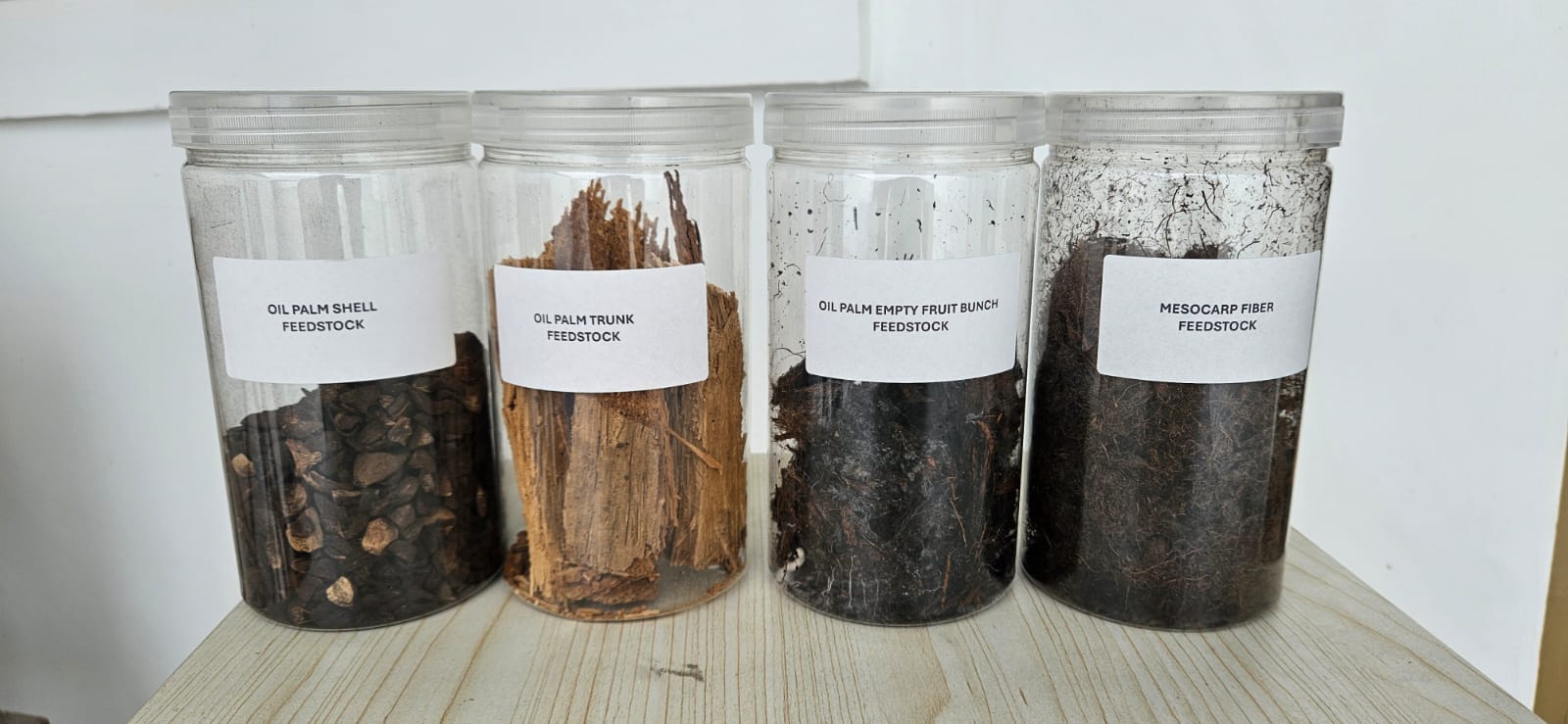
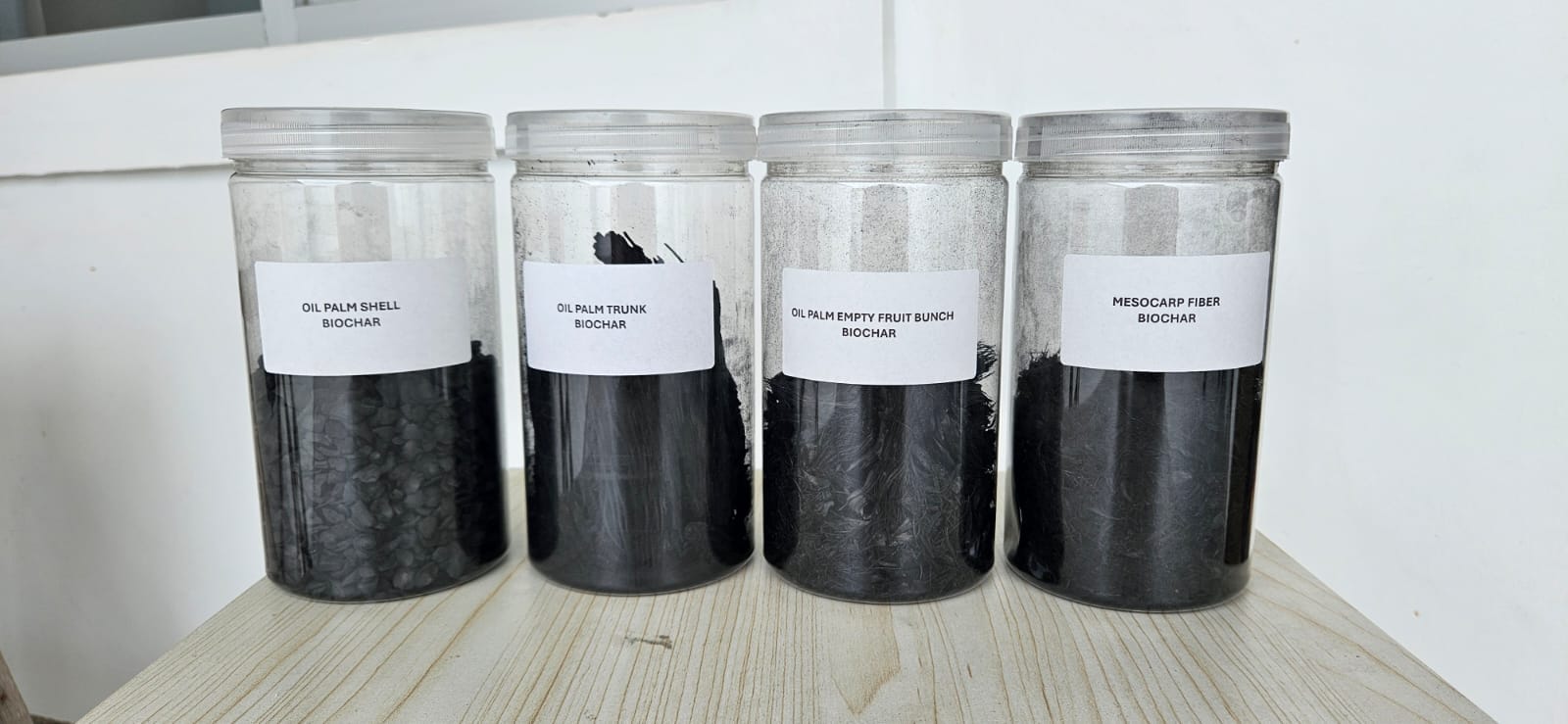
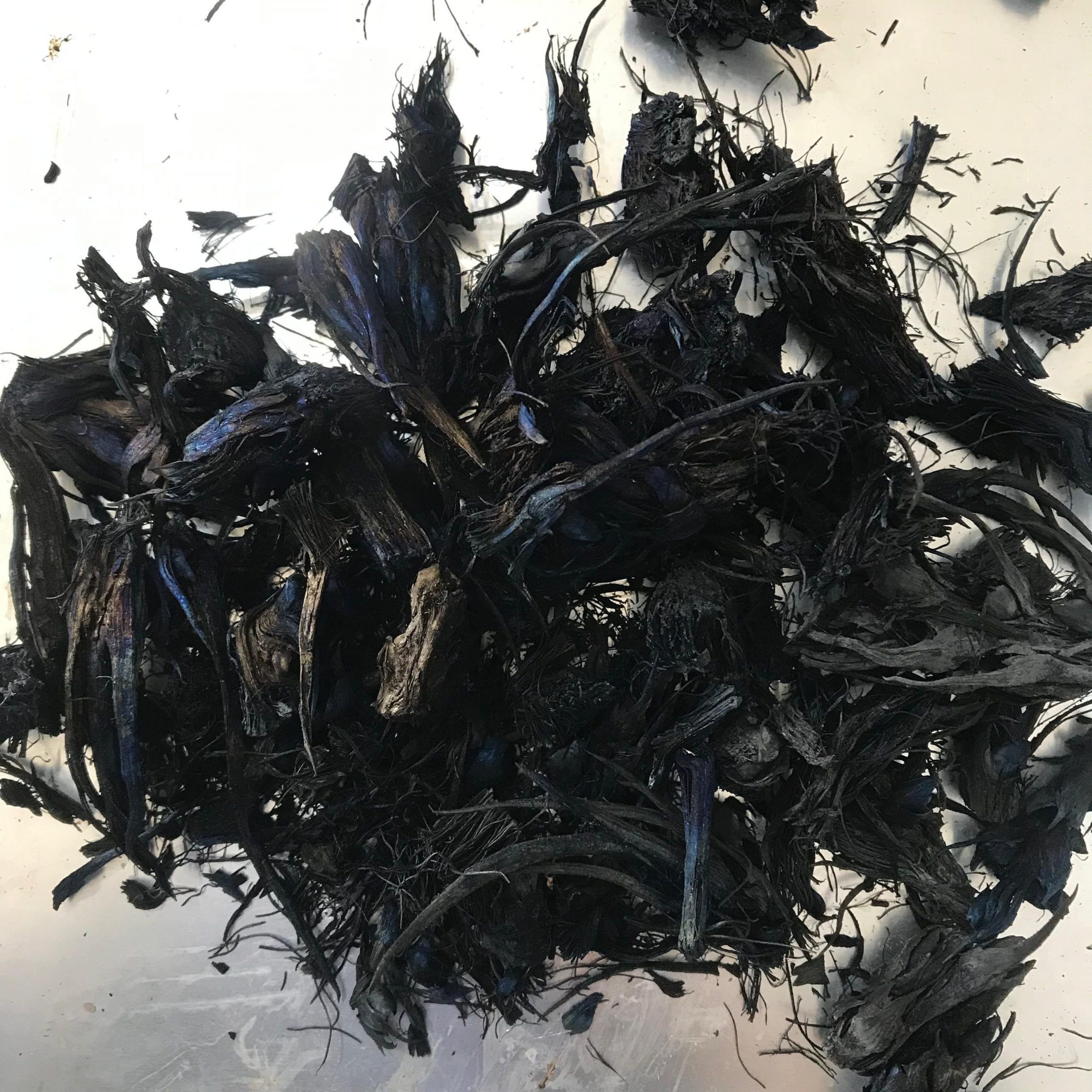
Gambar 2 Limbah sektor kelapa sawit terbukti menghasilkan biochar dalam uji coba laboratorium

Industri kelapa sawit Indonesia menghasilkan lebih dari 70 juta ton limbah biomassa setiap tahunnya. Limbah ini mencakup:

  • Janjang kosong/ EFB: Berukuran besar dan sulit dikelola karena kandungan airnya yang tinggi.
  • Palm Kernel Shells: Cangkang ini memiliki nilai kalor yang tinggi dan bersifat padat, sehingga cocok untuk produksi energi.
  • Pelepah Sawit: Biasanya dibiarkan membusuk di lahan, yang berkontribusi pada emisi metana.
  • Serat: Dihasilkan selama proses penggilingan minyak dan seringkali kurang dimanfaatkan.

Secara tradisional, sebagian dari material ini dibakar atau dibiarkan membusuk. Namun, melalui proses pirolisis, residu-residu ini dapat dikonversi menjadi biochar, mengubah limbah dari metode pembuangan yang merusak lingkungan menjadi kontributor pada upaya carbon sequestration (penyimpanan karbon).

Peran Biochar dalam Carbon Dioxide Removal (CDR)

Biochar berfungsi sebagai media efektif untuk penyimpanan karbon jangka panjang. Proses konversi limbah organik menjadi biochar mengikat karbon yang seharusnya dilepaskan kembali ke atmosfer, sehingga secara efektif menghilangkannya dari siklus karbon selama berabad-abad. Bentuk penyimpanan karbon yang stabil ini sangat penting dalam upaya melawan perubahan iklim, menjadikan biochar sebagai sarana yang penting untuk CDR.

Menghasilkan Kredit CDR

Untuk menghasilkan kredit CDR, produsen biochar harus mematuhi standar tertentu, seperti yang ditetapkan oleh PuroEarth atau Carbon Standards International (CSI), yang memastikan bahwa aktivitas penghilangan karbon bersifat nyata, berdampak, dan permanen. Berdasarkan standar ini, proses produksi biochar dan penggunaannya dalam sektor pertanian harus diukur, dipantau, dan diverifikasi secara akurat.

Proses menghasilkan kredit CDR dari biochar melibatkan beberapa langkah penting:

  1. Perencanaan Bisnis: Menyusun model bisnis yang komprehensif yang mencakup kapasitas produksi, pemodelan keuangan, CAPEX, OPEX, manajemen risiko, dan analisis pasar untuk biochar.
  2. Asesmen dan pemantauan: Melakukan penilaian mendetail terhadap potensi kandungan karbon dari biomassa dan kemampuan pengikatan karbon yang diharapkan dari biochar yang diproduksi.
  3. Pemasangan fasilitas produksi biochar: Mendapatkan pendanaan melalui berbagai cara seperti investasi neraca, ekuitas swasta, hibah, atau penjualan kredit CDR secara pre-sale. Membangun dan mengoperasikan fasilitas tersebut.
  4. Pengukuran dan verifikasi Carbon sequestration: Mengukur dan memverifikasi karbon yang terikat dalam biochar melalui verifikator pihak ketiga untuk memastikan akurasi dan permanensi penangkapan karbon.
  5. Penerbitan kredit: Setelah verifikasi berhasil, kredit CDR diterbitkan, yang kemudian dapat dijual di pasar karbon atau digunakan untuk mengimbangi emisi dari sumber lain.
  6. Pemantauan berkelanjutan: Pemantauan berkelanjutan sangat penting untuk menjaga integritas kredit CDR, yang melibatkan audit dan pelaporan rutin.

Manfaat Produksi Biochar bagi Produsen Kelapa Sawit dan Perekonomian di Indonesia

Produksi biochar dari limbah kelapa sawit memberikan beberapa manfaat:

  • Dampak lingkungan: Secara signifikan mengurangi emisi gas rumah kaca dengan mencegah pembakaran dan pembusukan biomassa.
  • Peluang ekonomi: Produksi biochar membuka peluang pendapatan baru melalui penjualan kredit CDR, memberikan insentif finansial dalam menerapkan praktik berkelanjutan.
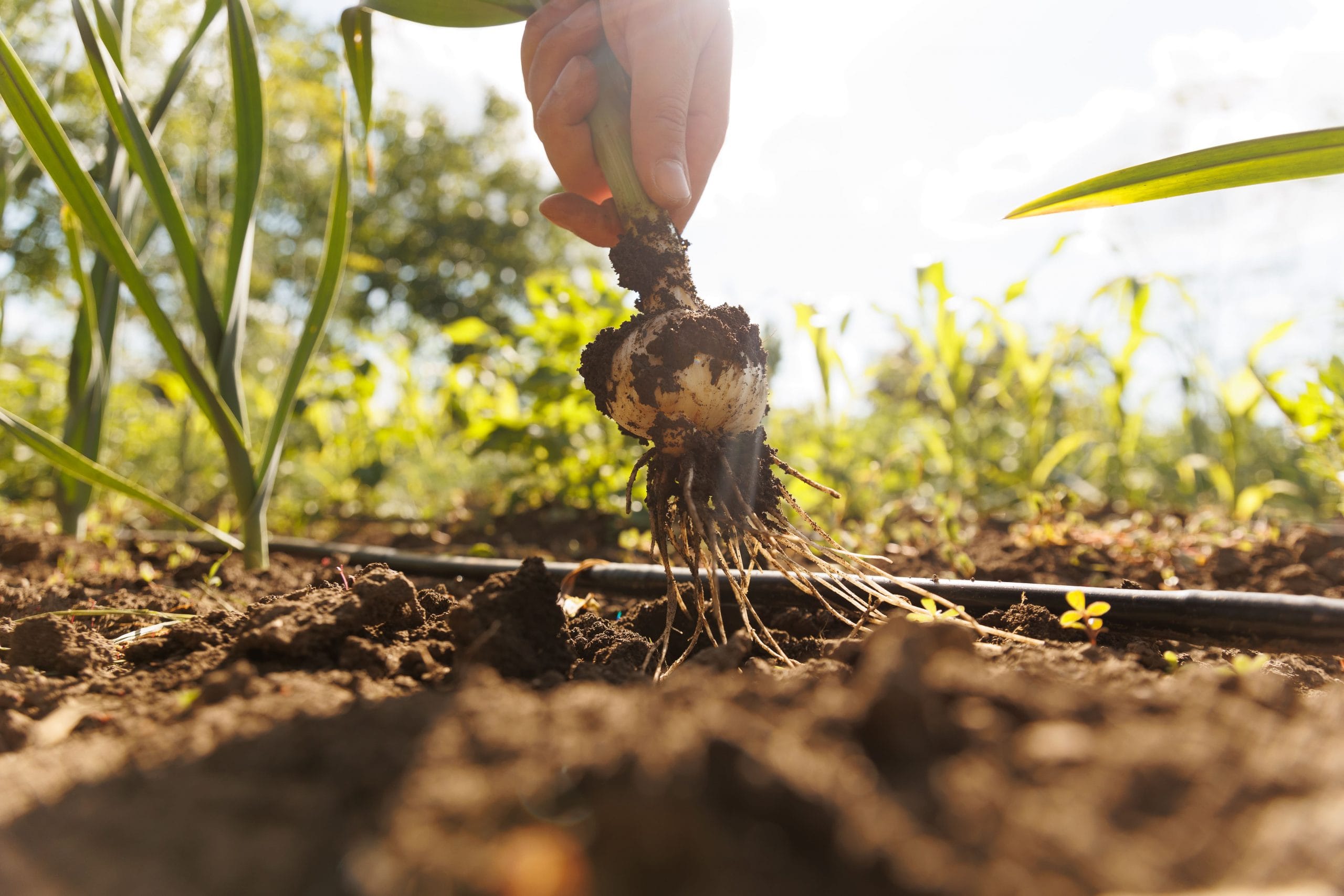
  • Keuntungan bagi pertanian: Biochar meningkatkan kesuburan tanah, retensi air, dan siklus nutrisi, mengurangi kebutuhan akan pupuk sintetis dan meningkatkan hasil pertanian.
  • Solusi pengelolaan limbah: Memberikan opsi yang berkelanjutan dalam menangani jumlah limbah yang sangat besar yang dihasilkan oleh industri kelapa sawit.

Tantangan dan Pertimbangan

Meskipun ada banyak keuntungan, beberapa tantangan dapat menghambat adopsi produksi biochar secara keseluruhan:

  • Investasi awal: Biaya setup untuk pabrik pyrolysis dan infrastruktur yang diperlukan cukup besar.
  • Dinamika pasar: Pasar kredit CDR yang sedang berkembang masih sangat berubah-ubah, dengan harga yang fluktuatif dan permintaan yang belum stabil.
  • Dukungan regulasi: Kerangka regulasi yang mendukung sangat penting untuk mendorong investasi dalam produksi biochar dan memastikan stabilitas pasar kredit CDR.

Kesimpulan

Produksi biochar dari limbah kelapa sawit di Indonesia tidak hanya menawarkan solusi yang layak untuk mengelola limbah pertanian, tetapi juga membantu mencapai tujuan lingkungan yang berkelanjutan secara nasional maupun global. Dengan memanfaatkan potensi pyrolysis untuk mengubah limbah menjadi sumber daya, Indonesia dapat mengurangi jejak karbon, meningkatkan kesehatan tanah, dan menciptakan peluang ekonomi di sektor kelapa sawit. Keberhasilan inisiatif ini, bagaimanapun, akan bergantung pada investasi berkelanjutan dalam teknologi, pengembangan kebijakan yang mendukung, dan stabilisasi pasar biochar, yang semuanya penting untuk mewujudkan potensi penuh biochar sebagai sarana pembangunan berkelanjutan.

Hubungi kami

Untuk informasi lebih lanjut tentang sistem biogas dan manfaatnya bagi organisasi Anda, hubungi tim konsultasi energi berkelanjutan kami hari ini. Sambut inovasi hijau dan transformasikan strategi pengelolaan limbah Anda dengan solusi biogas terbaru.
Membuka Potensi Biochar untuk Carbon Credit Indonesia

Membuka Potensi Biochar untuk Carbon Credit Indonesia

Recent Post

Bio Digester solusi Renewable Energy & Efisiensi

Bio Digester adalah teknologi ramah lingkungan yang mengubah limbah organik menjadi energi biogas dan pupuk organik berkualitas. Solusi ini membantu mengurangi pencemaran, menyediakan energi terbarukan, sekaligus memberi nilai tambah dari sisa limbah yang biasanya...

Written by

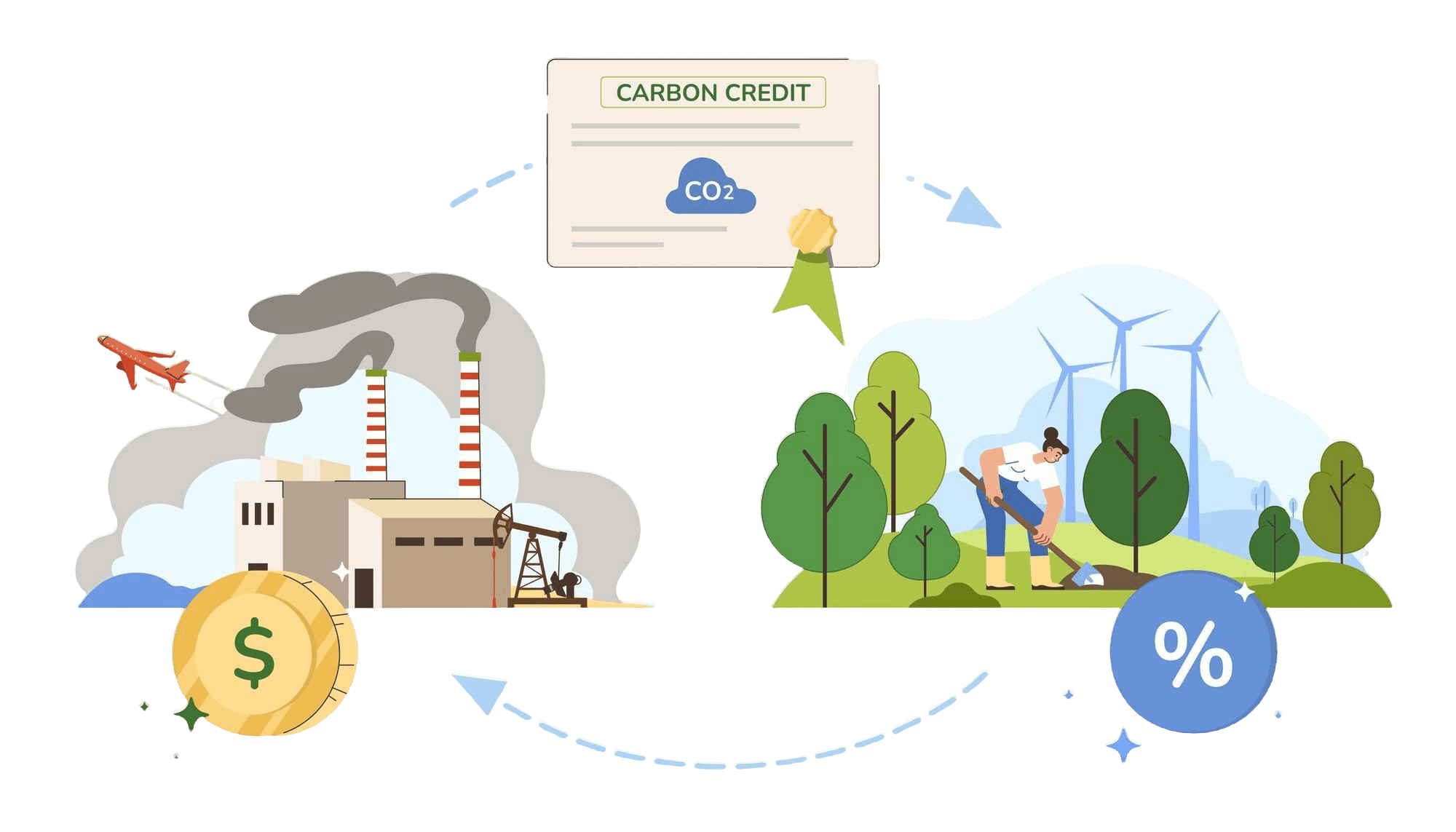
Seiring dengan meningkatnya kesadaran akan perubahan iklim, pemerintah Indonesia semakin mendorong berbagai sektor industri untuk mengurangi emisi karbon. Hal ini dilakukan melalui penerapan regulasi dan inisiatif yang mendukung pengurangan emisi gas rumah kaca. Salah satu solusi yang mulai populer adalah carbon credit, yang tidak hanya membantu industri mengurangi dampak lingkungannya tetapi juga memberikan peluang untuk mendapatkan pendapatan tambahan.

Carbon credit adalah bentuk insentif dalam upaya pengurangan emisi. Perusahaan yang memenuhi kriteria tertentu, seperti regulasi program pengurangan emisi, dapat menghasilkan atau membeli kredit karbon sebagai kompensasi atas emisi yang mereka hasilkan. Salah satu cara memperoleh carbon credit adalah dengan memproduksi biochar, sebuah material yang kaya akan karbon yang dihasilkan dari pengolahan biomassa melalui proses pirolisis.

 Artikel ini akan membahas apa itu carbon credit, perbedaannya dengan perdagangan karbon, potensi produksi biochar sebagai solusi pengurangan emisi, dan bagaimana sektor industri di Indonesia dapat memanfaatkannya.

Apa itu Carbon Credit?

Carbon credit adalah sertifikat yang mewakili pengurangan emisi sebesar satu ton karbon dioksida (1000 kg) atau gas rumah kaca lainnya. Perusahaan yang berhasil mengurangi emisi mereka dapat menjual kredit karbon ini kepada perusahaan lain yang tidak dapat melakukan pengurangan emisi, tetapi ingin menunjukkan kredibilitas lingkungan mereka.


Carbon Trading

Perdagangan karbon adalah sistem di mana perusahaan dapat membeli dan menjual kredit karbon tersebut di pasar terbuka. Perdagangan ini membantu mengalihkan tanggung jawab pengurangan emisi kepada pihak yang memiliki kemampuan untuk melakukannya dengan lebih efisien. Dengan sistem ini, perusahaan yang tidak mampu mengurangi emisi secara langsung bisa memenuhi kewajiban mereka dengan membeli kredit dari pihak lain yang telah berhasil mengurangi emisi lebih banyak.

Perbedaan antara carbon credit dan perdagangan karbon terletak pada fungsinya: carbon credit adalah unit yang mewakili pengurangan emisi, sedangkan perdagangan karbon adalah mekanisme yang memungkinkan kredit tersebut diperjualbelikan. Keduanya saling berhubungan erat dalam upaya global untuk menekan emisi gas rumah kaca.

Biochar sebagai Salah Satu Cara Mendapatkan Carbon Credit

Salah satu cara untuk mendapatkan carbon credit di Indonesia adalah melalui produksi biochar. Biochar dihasilkan melalui proses pirolisis, di mana biomassa dipanaskan dalam kondisi tanpa oksigen untuk menghasilkan material karbon yang sangat stabil. Karbon yang terkandung dalam material organik terkunci dalam struktur biochar yang dihasilkan. Oleh karena itu, teknologi yang digunakan bersifat karbon negatif. Selain itu, karena kandungan karbonnya yang tinggi, biochar mencegah karbon dilepaskan ke atmosfer dengan menstabilkannya dalam bentuk padat, menjadikannya alat yang efektif untuk penyerapan karbon (carbon sequestration) jangka panjang dan mengurangi emisi karbon.

Potensi Biomassa di Indonesia

[edm_gallery gallery_ids=”34776,34777,34780″ gallery_layout=”masonry” gallery_col_padding=”1px” _builder_version=”4.27.2″ _module_preset=”default” max_height=”1000px” global_colors_info=”{}”][/edm_gallery]

Indonesia adalah salah satu negara penghasil biomassa terbesar di dunia. Limbah dari sektor pertanian, perkebunan, dan kehutanan dapat diolah menjadi biochar melalui penggunaan pirolisis. Teknologi ini tidak hanya mengurangi limbah dan emisi gas rumah kaca, tetapi juga memberikan manfaat ekonomi bagi industri yang beralih ke solusi energi terbarukan.

Industri kelapa sawit, misalnya, memiliki potensi besar untuk memanfaatkan teknologi pirolisis dalam mengolah limbah biomassa menjadi biochar. Berdasarkan data Asosiasi Biogas Indonesia (ABgI), di Indonesia ada 895 unit pabrik kelapa sawit yang beroperasi. Apabila semua kapasitasnya adalah 60 tph Tandan Buah Segar (TBS), dan menghasilkan 90.000 ton limbah padat dan 241.200 ton limbah cair dalam setahun, maka di Indonesia ada 80,5 juta ton/tahun limbah padat yang dihasilkan. Limbah padat dari industri kelapa sawit adalah seperti cangkang sawit, tandan kosong, dan serat buah.

Dengan sumber daya biomassa yang melimpah, biochar dapat menjadi solusi efektif dan menguntungkan untuk pengurangan emisi di sektor ini. Sehingga, pirolisis dapat menjadi langkah penting dalam perdagangan karbon, memungkinkan industri di Indonesia untuk berkontribusi lebih besar dalam skema carbon credit global.

Peraturan di Indonesia

Peraturan di Indonesia untuk Mendorong Pengurangan Emisi dan Energi Terbarukan

Seiring dengan peningkatan suhu global, pemerintah telah memperketat regulasi terkait pengurangan emisi dan meningkatkan komitmen untuk penggunaan energi terbarukan. Mengingat Indonesia telah menjadi bagian dari Paris Agreement, peraturan baru pada tahun 2023 dan 2024 semakin mempertegas langkah-langkah yang harus diambil untuk mencapai target iklim nasional. Pada tahun 2025, pemerintah Indonesia menargetkan kontribusi pengembangan energi terbarukan terhadap kebutuhan energi beban dasar mencapai 23%.

Beberapa regulasi penting yang mendukung pengurangan emisi gas rumah kaca dan transisi energi di Indonesia antara lain:

  1. Peraturan Presiden (Perpres) No. 112 Tahun 2022: Mengatur tentang percepatan pengembangan energi terbarukan, terutama pembangkit listrik berbasis energi baru dan terbarukan.
  2. Peraturan Pemerintah (PP) No. 79 Tahun 2014: Mengarahkan kebijakan energi nasional yang menargetkan pengurangan emisi karbon secara signifikan dan meningkatkan peran energi terbarukan.
  3. Undang-Undang (UU) No. 30 Tahun 2007: Mengatur tentang energi, termasuk pengembangan energi terbarukan sebagai salah satu prioritas untuk mengurangi ketergantungan pada bahan bakar fosil.
  4. Peraturan Menteri ESDM No. 50 Tahun 2017: Memberikan insentif bagi perusahaan yang menggunakan energi terbarukan, termasuk tarif khusus untuk proyek energi terbarukan.

Regulasi Terkait Carbon Credit di Indonesia

Selain mendorong penggunaan energi terbarukan, Indonesia juga memperkuat regulasi mengenai perdagangan karbon melalui berbagai kebijakan, termasuk:

  1. Perpres No. 98 Tahun 2021: Mengatur tentang pelaksanaan nilai ekonomi karbon untuk mencapai target pengendalian emisi gas rumah kaca.
  2. Peraturan Otoritas Jasa Keuangan (POJK) No. 14 Tahun 2023: Memfasilitasi pembiayaan hijau dan perdagangan karbon, termasuk panduan bagi entitas yang ingin terlibat dalam skema perdagangan karbon.
  3. Permen LHK No. 21 Tahun 2022: Mengatur tentang mekanisme pelaksanaan dan registrasi kegiatan yang berhubungan dengan kredit karbon.

    Cara Mendapatkan Carbon Credit di Indonesia

    Bagi perusahaan yang ingin mendapatkan manfaat dari skema carbon credit di Indonesia, ada beberapa langkah yang harus diikuti. Organics, sebagai EPC yang handal dalam proyek energi terbarukan dan pirolisis, siap membantu perusahaan dalam menjalankan proyek-proyek dekarbonisasi untuk mendapatkan kredit karbon. Berikut adalah Langkah-langkah yang harus diikuti:

    1. Pengembangan Proyek

    Fase ini mencakup beberapa kegiatan, seperti memilih metodologi validasi, melakukan perhitungan dan pemilihan, memperkirakan pengurangan emisi proyek, dan membuat rencana dan dokumentasi proyek.

    2. Validasi

    Proses validasi diselesaikan sebelum pendaftaran. Beberapa badan pendaftaran sukarela mengizinkan proyek skala kecil untuk divalidasi bersamaan dengan verifikasi setelah pendaftaran.

    3. Pendaftaran

    Proyek harus didaftarkan di bawah mekanisme badan pendaftaran sukarela PBB.

    4. Pemantauan & Verifikasi

    Pemantauan dilakukan sesuai dengan rencana proyek dan diverifikasi oleh verifikator independen.

    5. Penerbitan Kredit Karbon

    Kredit karbon dikeluarkan untuk proyek yang telah diverifikasi.

    Dengan regulasi yang mendukung dan potensi besar di sektor energi terbarukan, Indonesia siap menjadi pemain utama dalam upaya global untuk mengurangi emisi dan memanfaatkan potensi energi terbarukan.

    Mengapa Memilih Organics untuk Mendukung Carbon Credit?

    Dengan pengalaman lebih dari 30 tahun dalam energi terbarukan, Organics telah menjadi pemimpin dalam mendukung pengurangan emisi karbon melalui teknologi mutakhir, seperti biomethane capture dan pirolisis. Pengalaman kami yang luas di berbagai negara di dunia membuktikan bahwa Organik memiliki memiliki catatan prestasi yang luar biasa.

    Salah satu teknologi inovasi terkini kami adalah Pyroclast, teknologi paten dirancang khusus untuk memproses biomassa menjadi biochar. Teknologi ini memungkinkan perusahaan untuk mengubah apa yang biasanya dianggap sebagai beban menjadi sumber daya yang bernilai. Selain itu, biochar yang dihasilkan melalui pirolisis memiliki berbagai manfaat lingkungan, termasuk meningkatkan kesehatan tanah dan mencegah pelepasan karbon dioksida ke atmosfer.


    Keunggulan Organics dalam Proyek Energi Terbarukan

    1. Pengalaman Global: Organics memiliki rekam jejak yang kuat dalam proyek energi terbarukan di Asia maupun Eropa, membuktikan diri sebagai mitra terpercaya dalam teknologi yang mendukung keberlanjutan.
    2. Teknologi Terdepan: Pyroclast dirancang untuk efisiensi tinggi dan penghematan biaya, memastikan hasil yang maksimal dan sistem pasca-commissioning yang andal, dirancang untuk meningkatkan profitabilitas operasi.
    3. Biaya Efektif: Kami menyediakan solusi teknis inovatif yang hemat biaya.

    Penutup dan Kesimpulan

    Biochar merupakan solusi efektif untuk mengatasi peningkatan emisi karbon di Indonesia, dan sejalan dengan upaya pemerintah dalam mengurangi gas rumah kaca. Carbon credit menjadi insentif penting bagi perusahaan untuk mengurangi emisi, dan biochar yang dihasilkan dari pirolisis biomassa dapat meningkatkan kualitas tanah serta menyimpan karbon dioksida, yang akhirnya dapat mengurangi emisi.

    Organics, dengan pengalaman lebih dari 30 tahun dan teknologi pirolisis yang terpercaya, siap untuk menjadi mitra Anda dalam proyek-proyek carbon credit. Kami berkomitmen untuk memberikan solusi berkualitas tinggi dan biaya efektif.


    Hubungi kami hari ini untuk menjelajahi teknologi pirolisis penghasil biochar dan potensi energi terbarukan lainnya!


    Hubungi kami

    Untuk informasi lebih lanjut tentang sistem biogas dan manfaatnya bagi organisasi Anda, hubungi tim konsultasi energi berkelanjutan kami hari ini. Sambut inovasi hijau dan transformasikan strategi pengelolaan limbah Anda dengan solusi biogas terbaru.
    Sumber :

    Membuka Potensi Biochar untuk Carbon Credit Indonesia

    Unlocking the Potential of Biochar for Indonesia’s Carbon Credits

    Recent Post

    Bio Digester solusi Renewable Energy & Efisiensi

    Bio Digester adalah teknologi ramah lingkungan yang mengubah limbah organik menjadi energi biogas dan pupuk organik berkualitas. Solusi ini membantu mengurangi pencemaran, menyediakan energi terbarukan, sekaligus memberi nilai tambah dari sisa limbah yang biasanya...

    Written by

    As awareness of climate change increases, the Indonesian government encourages various industrial sectors to reduce carbon emissions. The government implements regulations and initiatives aimed at reducing greenhouse gas emissions. One solution gaining popularity is carbon credits, which help industries not only reduce their environmental impact but also earn additional revenue.

    Carbon credits serve as an incentive for companies to reduce emissions. Companies that follow regulated emissions reduction programs or meet specific criteria can generate or buy carbon credits as compensation for their emissions. One way for companies to obtain carbon credits is by producing biochar, a carbon-rich material created from biomass processing through pyrolysis.

    This article will discuss what carbon credits are and how they differ from carbon trading. The production of biochar as an emission reduction solution has great potential. The article highlightshow the industrial sector in Indonesia can take advantage of it.

    What is Carbon Credit?

    A carbon credit is a certificate that represents a reduction of one ton (1,000 kg) of carbon dioxide or other greenhouse gases. Companies that successfully reduce their emissions can sell these carbon credits to other companies that cannot reduce their emissions but want to demonstrate their environmental responsibility.


    Carbon Trading

    In carbon trading, companies buy and sell carbon credits on the open market. This system shifts the responsibility of reducing emissions to those who can do so more efficiently. Companies that cannot directly reduce emissions meet their obligations by purchasing credits from other companies that manage to reduce emissions effectively.

    The key difference between carbon credits and carbon trading lies in their functions: carbon credits represent emission reductions, while carbon trading provides a platform for trading those credits. Both play interconnected roles in global efforts to reduce greenhouse gas emissions.


    Biochar as One Way to Get Carbon Credits

    One way to obtain carbon credits in Indonesia is through biochar production. Biochar is produced through a the process of pyrolysis, in which biomass is heated in conditions without oxygen to produce a highly stable carbon material. The carbon in organic material is locked up within the structure of the resultant biochar. The technology used is therefore carbon negative. Also,  due to its high carbon content, biochar prevents carbon from being released into the atmosphere by stabilizing it in a solid form, making it an effective tool for long-term carbon sequestration and reducing carbon emissions.

    The Potential of Biomass in Indonesia

    [edm_gallery gallery_ids=”34776,34777,34780″ gallery_layout=”masonry” gallery_col_padding=”1px” _builder_version=”4.27.2″ _module_preset=”default” max_height=”1000px” global_colors_info=”{}”][/edm_gallery]

    Indonesia ranks as one of the largest biomass producers globally. Waste from agriculture, palm oil plantations, and the forestry sector can be processed into biochar through pyrolysis technology. Not only does this technology help reduce waste and greenhouse gas emissions, but it also offers significant economic benefits for industries transitioning to renewable energy solutions.

    For instance, the palm oil industry holds great potential to leverage pyrolysis technology in converting biomass waste into biochar. According to data from the Indonesian Biogas Association (ABgI), numerous palm oil mills operate across Indonesia. If a mill processes 60 tons per hour (tph) of Fresh Fruit Bunches (FFB), it generates around 90,000 tons of solid waste and 241,200 tons of liquid waste annually. This means the entire industry in Indonesia produces about 80.5 million tons of solid waste each year, including palm shells, empty fruit bunches, and fruit fiber.

    Given the abundance of biomass resources, biochar production offers an effective and profitable solution for emission reduction in the palm oil sector. Consequently, adopting pyrolysis can become a key step in carbon trading, enabling Indonesian industries to contribute more actively to global carbon credit schemes.


    Regulations in Indonesia

    Regulations in Indonesia to Encourage Emission Reduction and Renewable Energy

    In response to rising global temperatures, the Indonesian government has introduced stricter regulations to reduce emissions and has increased its commitment to renewable energy. As a signatory to the Paris Agreement, Indonesia implemented new regulations in 2023 and 2024 that emphasize the necessary steps to meet national climate targets. By 2025, the government aims for renewable energy to contribute 23% of the country’s baseload energy requirements.


    Some important regulations that support the reduction of greenhouse gas emissions and energy transition in Indonesia include:

        1. Presidential Regulation (Perpres) No. 112 of 2022: Regulates the acceleration of renewable energy development, especially new and renewable energy-based power plants.
        2. Government Regulation (PP) No. 79 of 2014: Directs national energy policies that target significant reductions in carbon emissions and increase the role of renewable energy.
        3. Law (UU) No. 30 of 2007: Regulates energy, including the development of renewable energy as one of the priorities to reduce dependence on fossil fuels.
        4. Regulation of the Minister of Energy and Mineral Resources No. 50 of 2017: Providing incentives for companies that use renewable energy, including special tariffs for renewable energy projects.

    Regulations Related to Carbon Credits in Indonesia

    In addition to encouraging the use of renewable energy, Indonesia also strengthens regulations on carbon trading through various policies, including:

    1. Presidential Regulation No. 98 of 2021: Regulates the implementation of carbon economic value to achieve greenhouse gas emission control targets.
    2. Financial Services Authority Regulation (POJK) No. 14 of 2023: Facilitate green financing and carbon trading, including guidance for entities wishing to engage in carbon trading schemes.
    3. Minister of Environment and Forestry Regulation No. 21 of 2022: Regulates the mechanism for the implementation and registration of activities related to carbon credits.

    How to Get Carbon Credits in Indonesia

    For companies that want to benefit from carbon credit schemes in Indonesia, there are several steps that must be followed. Organics, as a reliable EPC in renewable energy and pyrolysis projects, is ready to assist companies in carrying out decarbonization projects to obtain carbon credits. Here are the steps that should be followed (Winrock, 2015) : 

    1. Project Development This phase includes several activities, such as selecting a validation methodology, conducting calculations and selections, estimating project emission reductions, and creating project plans and documentation.
    2. Validation The validation process is completed before registration. Some voluntary registry bodies allow small-scale projects to be validated alongside verification after registration. 
    3. Registration The project must be registered under the UN voluntary registry body mechanism.
    4. Monitoring & Verification Monitoring is conducted according to the project plan and verified by an independent verifier.
    5. Carbon Credit Issuance Carbon credits are issued for projects that have been verified.

      With supportive regulations and great potential in the renewable energy sector, Indonesia is poised to become a major player in global efforts to reduce emissions and harness the potential of renewable energy.


      Why Choose Organics to Support Carbon Credits?

      With over 30 years of experience in renewable energy, Organics has become a leader in supporting the reduction of carbon emissions through cutting-edge technologies, such as biomethane capture and pyrolysis. Our extensive experience in many countries around the world, demonstrates that Organics has a successful track record of excellence.

      Among our latest technological innovations is the Pyroclast, a patented technology specifically designed to process biomass into biochar. This advanced solution allows companies to transform what was traditionally considered a waste liability into a valuable resource. Additionally, biochar produced through pyrolysis offers several environmental benefits, such as improving soil health and preventing carbon dioxide from being released into the atmosphere.


      Organics’ Advantages in Renewable Energy Projects

      1. Global Experience: Organics has a strong track record in renewable energy projects in Asia and Europe, proving itself to be a trusted partner in sustainability-enabled technologies.
      2. Leading Technology: The Pyroclast is designed for high efficiency and cost  reduction, ensuring maximum results and reliable post-commissioning systems designed to increase profitability of operations.
      3. Cost Effective: We provide innovative cost-effective technical solutions.

      Conclusion

      Biochar is an effective solution for tackling increasing carbon emissions in Indonesia and is in line with the government’s efforts to reduce greenhouse gases. Carbon credits are an important incentive for companies to reduce emissions, and biochar produced from biomass pyrolysis can improve soil quality as well as store carbon dioxide, which leads to a reduction in emissions.

      Organics, with more than 30 years of experience and reliable pyrolysis technology, is ready to be your partner in carbon credit projects. We are committed to providing high-quality and cost-effective solutions.


      Contact us today to find out more about our biochar-producing pyrolysis technology as well as other renewable energy opportunities!


      Contact Us

      For more information about biogas systems and how they can benefit your organization, contact our sustainable energy consulting team today. Embrace green innovation and transform your waste management strategy with the latest biogas solutions.

      Source :

      Biochar and Pyrolysis: Environmental Impact, Technology, and Production Method

      Biochar and Pyrolysis: Environmental Impact, Technology, and Production Method

      Written by

      Carbon credits from biochar are gaining attention in Indonesia, especially among palm oil and agriculture companies. These industries actively seek ways to reduce their carbon footprint and enhance their sustainability image. The market for biochar-based carbon credits in Indonesia is still in its early stages, but it shows promising growth potential.

      As awareness about biochar’s benefits and the opportunities for carbon credits rises, we expect demand to increase in the future. In this article, we explore biochar, its production process, and its connection to carbon credits.

      What is Biochar and how is it Produced?

      What is a Biochar?

      Biochar is an organic material created by heating biomass in an oxygen-free environment. This process, called pyrolysis, produces a stable form of carbon that offers several environmental benefits. Biochar improves soil health when used as a soil amendment, and it also serves as a tool for carbon sequestration, helping reduce greenhouse gas emissions.

      The biomass used in biochar production comes from various sources, including agricultural waste, landfill materials, and animal waste. The characteristics of the feedstock directly influence the type and quality of carbon present in the biochar. For instance, using agricultural waste can yield a biochar that is particularly effective in nutrient retention and pH regulation.

      Biochar’s primary agricultural benefits include soil enhancement, nutrient retention, and pH regulation. Beyond agriculture, biochar also plays a role in generating carbon credits—tradable certificates representing reductions in greenhouse gas emissions.

      Pyrolysis for Biochar production

      Biochar production relies on pyrolysis technology, which involves heating organic material in the absence of oxygen. At Organics, we have developed an in-house pyrolysis system called Pyroclast®. Designed for final waste disposal and carbon production, Pyroclast® offers flexibility in its applications. Whether the focus is on waste disposal, recycling, energy production, or biochar generation, Pyroclast® can adapt to meet customer needs.

      The system effectively handles a variety of feedstocks, including waste wood, bamboo, and digestate from anaerobic digestion. Each feedstock produces biochar with unique properties, making Pyroclast® a versatile tool in sustainable waste management and carbon production.

      The Process of Pyrolysis for Biochar Production

      Unlike incineration, pyrolysis operates within a closed-loop chamber, without oxygen or flames. Organics’ Pyroclast® system can handle between 3.6 and 240 tonnes of dry feedstock per day and between 6 and 40 tonnes per day for wet feedstock. The system includes several key components:

        • Waste reception and feed
        • Drier
        • Pyrolyser
        • Thermal oxidiser for steam
        • Cycle
        • Boiler and steam turbine
        • Gas clean-up for pyrogas
        • Engine cycle
        • Gas engine or gas turbine

      The Pyrolysis Process:

      1. Biomass conditioning: Before entering the pyrolysis reactor, the feedstock must meet certain specifications. Typically, biomass is shredded to a maximum size of 20-50 mm and conditioned to a moisture content below 20%, which is ideal for biochar production. Proper conditioning ensures efficient processing and high-quality biochar.
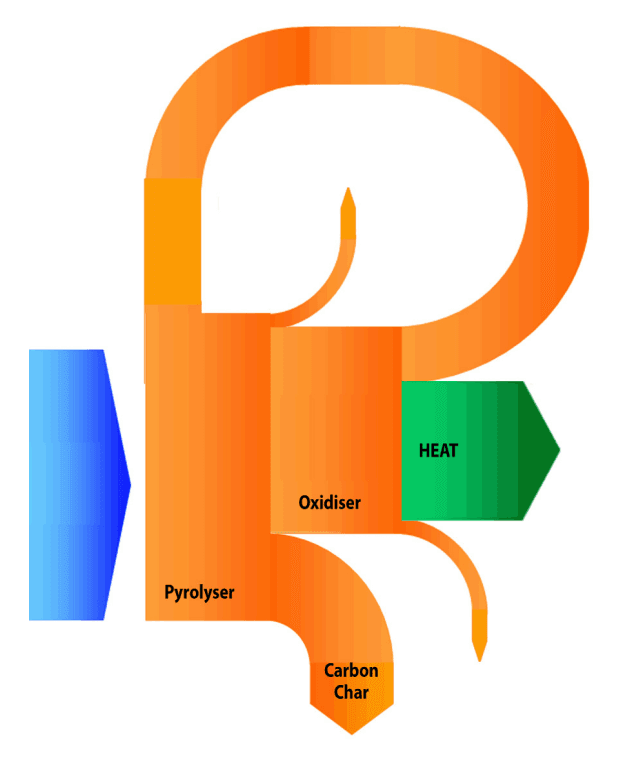
      2. Thermal Decomposition: After conditioning, the biomass enters the pyrolyser (or Pyroclast® reactor) and undergoes carbonization at temperatures ranging from 450-800°C. In this patented tube-screw reactor, the biomass stays for up to 30 minutes without exposure to air. This process is called as thermal degradation process which converts solid waste into gas, which is called as pyrogas or syngas, depends on the process mechanism. The solid residue from the process is called Biochar, from organic contents (biomass) or carbon char.
      3. Gas disposal: To prevent environmental pollution, the produced gas is immediately treated in a high-temperature thermal oxidizer, where it is destroyed before it can be emitted into the atmosphere. Any excess heat generated during the process is safely disposed of to ensure maximum environmental protection

      Properties of Biochar

      Biochar primarily consists of stable carbon, and its composition varies based on the biomass feedstock and the pyrolysis conditions, such as temperature, heating rate, and duration. Key components of biochar include:

      Fixed Carbon

      This stable form of carbon makes up the majority of biochar. Fixed carbon does not easily vaporize or decompose, contributing to biochar’s long-term stability in soil. This property is crucial for carbon sequestration and reducing decomposition rates.

      Volatile Matter

      While most volatile compounds are driven off during pyrolysis, some carbon-based chemicals remain that can vaporize more easily. The amount of volatile matter decreases as the pyrolysis temperature increases.

      Ash

      Though not carbon-based, ash forms a significant part of biochar. It consists of minerals and salts from the original biomass, which can enhance soil fertility when biochar is used as a soil amendment.

      Graphitic Carbon

      At higher pyrolysis temperatures, some biochar carbon can form highly ordered graphitic structures, which are exceptionally stable and contribute to the durability of biochar.

      Other Important Parameters of Biochar:

        • Moisture Content: This affects the drying process and can reduce the overall effectiveness of the biochar.
        • Surface Area and Porosity: These characteristics are essential for water retention and provide a habitat for beneficial microorganisms.
        • pH level: Biochar influences soil pH when used as an amendment, making it important for balancing soil acidity.
        • Nutrient Content: The effectiveness of biochar as a soil enhancer depends on its nutrient content.
        • Stability: This determines how long biochar will last in soil and how effectively it sequesters carbon over time.

      Biochar Roles in Environmental Management, Agriculture, and Industry

      Biochar Roles in Environmental Management

      Biochar plays a crucial role in environmental management by aiding carbon sequestration and reducing greenhouse gas emissions. Through photosynthesis, plants absorb carbon dioxide (CO2), storing carbon within their structures while releasing oxygen into the atmosphere. However, when plants die or are cut down, this stored carbon typically returns to the atmosphere as CO2, contributing to global warming.

      Biochar offers a solution through two primary mechanisms:

      Carbon Capture

      During pyrolysis, organic materials like agricultural waste are heated, releasing volatile gases and leaving behind carbon-rich biochar. This process effectively captures carbon by preventing it from being emitted as CO2.

      Long-Term Carbon Storage

      Once applied to soil, biochar serves as a long-term carbon sink due to its resistance to decomposition. This durable carbon storage method can sequester carbon for decades or even centuries, preventing its re-entry into the atmosphere through natural decay processes.

      Additionally, biochar mitigates nitrous oxide (N2O) emissions, another potent greenhouse gas. When applied to agricultural soils, biochar creates a stable environment for microorganisms involved in nitrogen cycling. Its porous structure and chemical properties help retain nutrients, minimizing the production and release of N2O, which often occurs in nitrogen-rich environments through microbial processes.

      In summary, biochar captures carbon during pyrolysis, sequesters it in soils, and reduces harmful N2O emissions. These combined benefits make biochar a powerful tool for combating climate change while enhancing soil health and promoting sustainable agriculture.

      Biochar as an Energy Source

      Beyond its environmental benefits, biochar can also be utilized for energy production. Pyrolysis produces not only biochar but also syngas and bio-oil, both of which can be harnessed as renewable energy sources. Syngas can power electricity generation, heating systems, or serve as a feedstock for chemical production, while bio-oil can function as an alternative fuel or be refined into various bioproducts. This dual functionality makes biochar production highly sustainable, providing both carbon capture and renewable energy from biomass waste management.

      Applications of Biochar in Agriculture

      Biochar offers numerous benefits in agriculture, improving soil health and enhancing productivity. By increasing soil water retention, promoting nutrient cycling, and fostering microbial activity, biochar supports healthier and more productive soils. Moreover, it provides a habitat for beneficial soil organisms that boost plant growth.

      Soil Improvement

      Biochar enhances soil water retention, nutrient cycling, and microbial diversity, which leads to more productive soils. Its porous structure also creates a habitat for beneficial microbes that aid plant growth and suppress harmful pathogens.

      Nutrient Retention

      With its high cation exchange capacity (CEC), biochar retains vital nutrients such as potassium, phosphorus, and calcium. By preventing nutrient runoff and leaching, it ensures plants receive a steady supply of nutrients over time.

      pH Regulation

      Biochar influences soil pH depending on its source. It can be neutral, slightly alkaline, or acidic, helping regulate soil pH and optimize conditions for plant growth and nutrient absorption.

      Disease and Pest Management

      By enhancing microbial diversity in the soil, biochar indirectly helps control diseases and pests. Beneficial microbes thrive in biochar-amended soils, suppressing harmful pathogens, while biochar’s porous structure can act as a barrier against some pests.

      Water Management

      Biochar significantly boosts soil water retention, reducing evaporation and improving water availability to plants. This makes it particularly beneficial in drought-prone regions or sandy soils with poor water retention.

      In addition to sequestering carbon, biochar provides co-benefits like reducing nutrient runoff, enhancing soil fertility, and lowering the need for synthetic fertilizers. These advantages contribute to more sustainable agriculture and offer both environmental and economic benefits.

      Applications of Biochar in Industry

      Biochar, a carbon-rich byproduct of pyrolysis, is rapidly gaining traction across various industries due to its sustainability and environmental benefits. One promising sector is construction, where researchers are exploring the incorporation of biochar into materials like concrete, cement, and asphalt. This not only improves material properties but also enhances carbon sequestration, making biochar a valuable tool for reducing industrial carbon footprints.

      Construction Industry

      Concrete

      Concrete, made from cement, aggregates, and water, is one of the most widely used materials in construction. By partially replacing cement with biochar, researchers have discovered improvements in material properties, such as reduced density and enhanced thermal insulation. In some cases, biochar has the potential to improve mechanical strength. Moreover, incorporating biochar offsets carbon emissions from cement production by sequestering carbon within the concrete itself.

      Cement Production

      Cement production is infamous for its significant carbon dioxide emissions. By integrating biochar as a partial substitute, companies can produce low-carbon or even carbon-neutral cement alternatives. This method significantly reduces the carbon footprint of cement production while simultaneously promoting long-term carbon sequestration, aligning with global sustainability targets.

      Asphalt

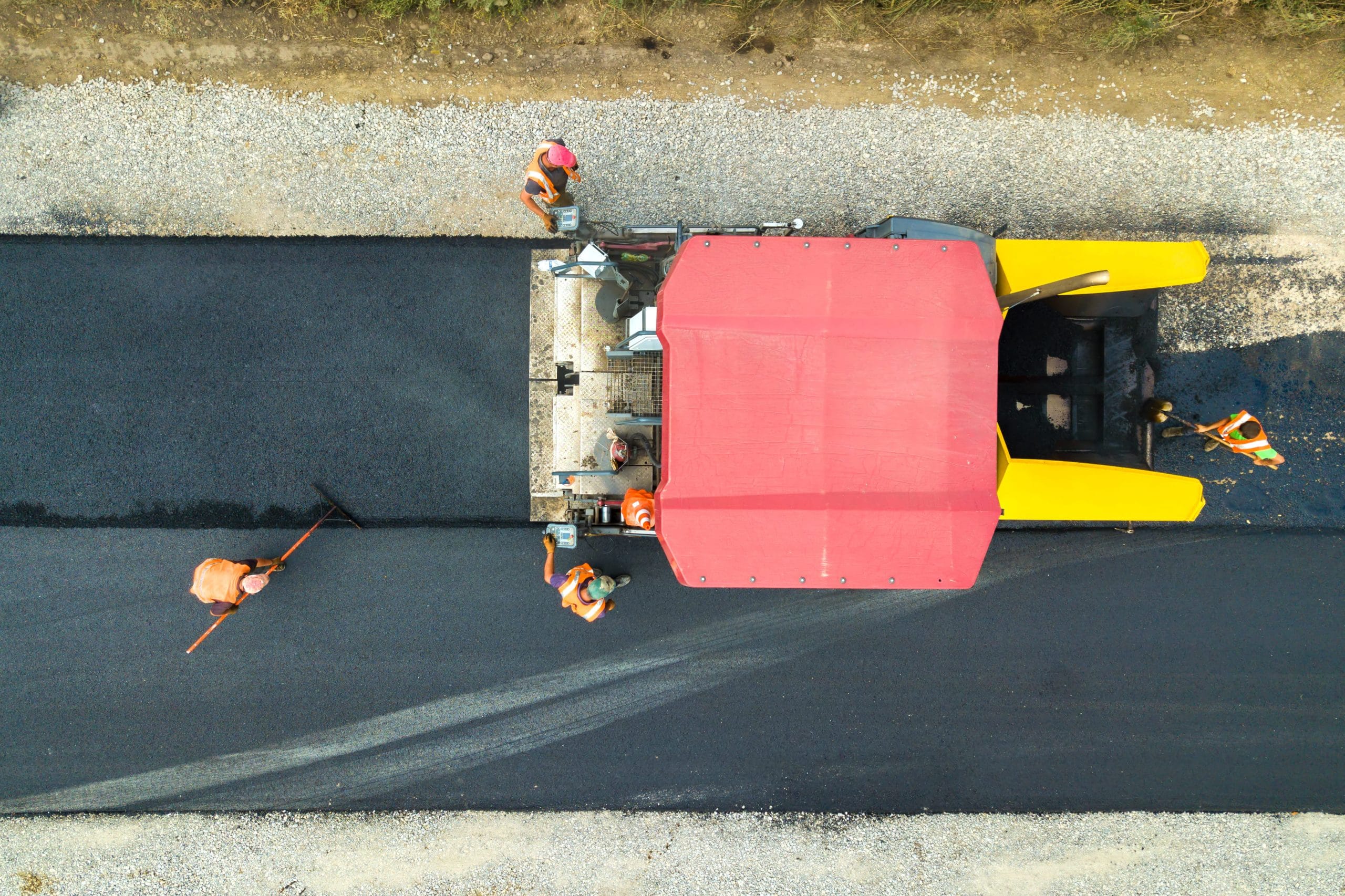
      In road construction, biochar shows great promise when added to asphalt mixtures. Research indicates that biochar can enhance the mechanical properties of asphalt, such as durability and resistance to cracking. These improvements extend the lifespan of road surfaces while also contributing to carbon capture, offering both functional and environmental benefits.

      Pharmaceutical Industry, Healthcare, Research or Laboratory

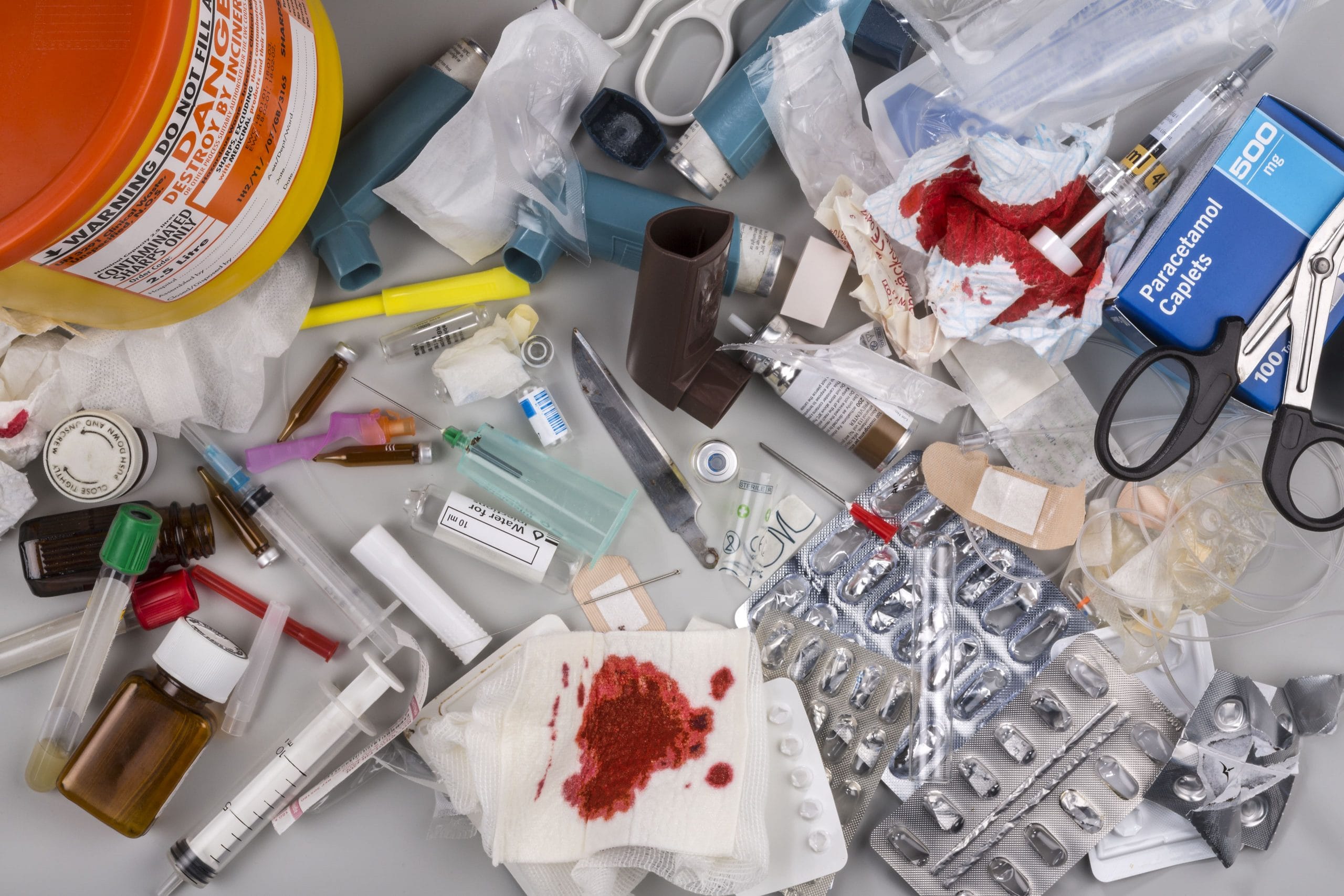
      Biochar also plays an important role in waste management within the healthcare and pharmaceutical sectors. It offers a solution for the safe disposal of hazardous and clinical waste streams, adhering to stringent environmental standards. Pyrolysis systems can convert mixed municipal solid waste into pyrolysis gases, which are then captured and repurposed for ethanol or methane production. This not only addresses waste disposal challenges but also generates recoverable energy, turning waste into a valuable resource.

      Other Industry Applications

      At appropriate operating temperatures, pyrolysis systems can efficiently manage industrial waste, including scrapped vehicles and used tires, while simultaneously generating power. These systems significantly reduce waste volume by transforming it into useful commodities, such as syngas and biochar, making them an effective solution for sustainable industrial waste management.

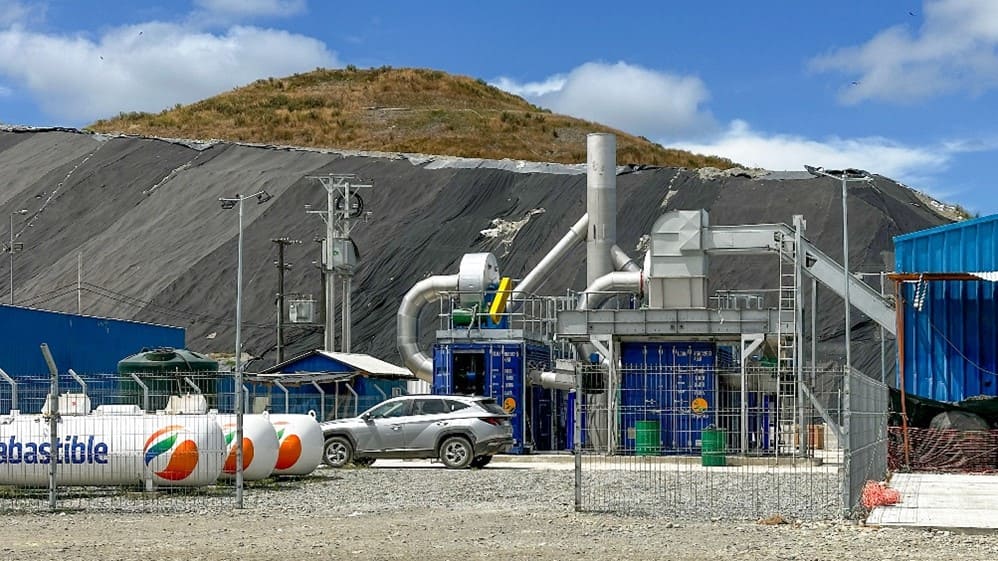
      Case Study: Pyrolysis of RDF, Puerto Montt, Chile

      In Puerto Montt, Chile, a pyrolysis project processes Refuse-Derived Fuel (RDF) from fish processing waste, including plastics. This innovative approach significantly reduces landfill waste while generating heat energy for on-site use or export. Additionally, the process dries the RDF, increasing its energy efficiency.

      The benefits of this project include reduced waste generation, decreased reliance on fossil fuels, and the recovery of valuable materials. Operating in an oxygen-depleted environment, this process also reduces greenhouse gas emissions compared to traditional waste disposal methods. With the capacity to process up to 1,000 kg per hour of wet RDF, this project serves as a model of sustainable waste management with substantial environmental and economic advantages.

      Conclusion

      Biochar offers substantial environmental benefits, from carbon sequestration to improved soil health and renewable energy generation. Its applications extend across agriculture, where it enhances soil properties, and industry, particularly in construction and waste management, helping to lower emissions and promote sustainability. As interest in carbon credits from biochar continues to grow in Indonesia, the potential for further market development is significant.

      To learn more about how biochar can benefit your business and explore partnership opportunities, reach out to us today!

      Contact Us

      For more information about biogas systems and how they can benefit your organization, contact our sustainable energy consulting team today. Embrace green innovation and transform your waste management strategy with the latest biogas solutions.