Process of Biogas to Power : Anaerobic Digester Efficiency in Managing POME

Process of Biogas to Power : Anaerobic Digester Efficiency in Managing POME

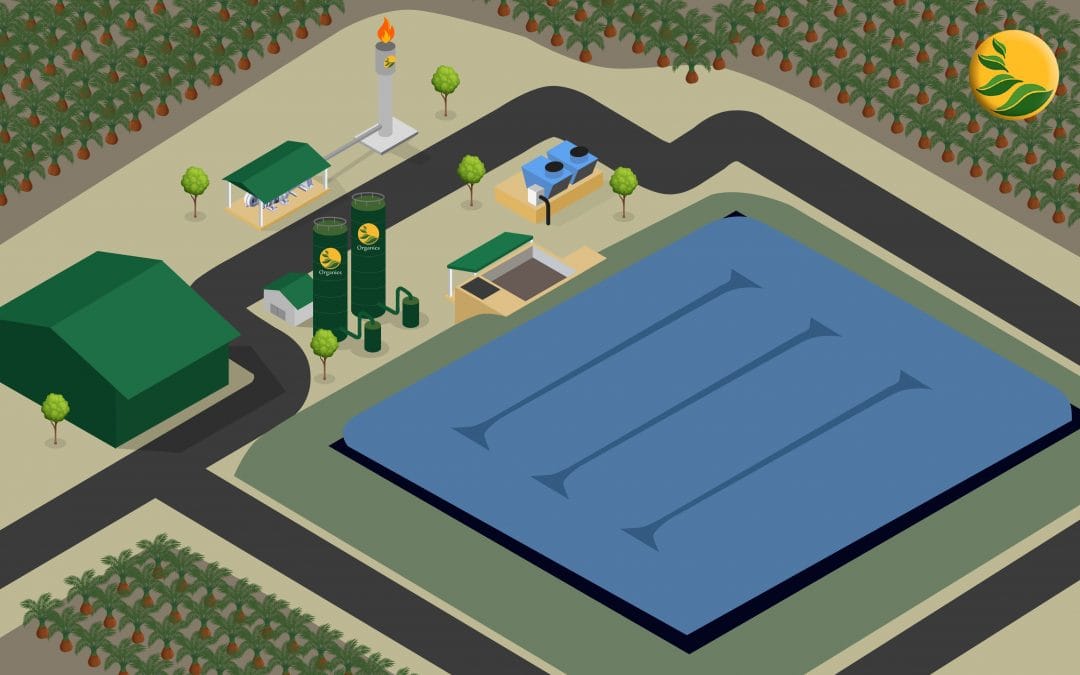
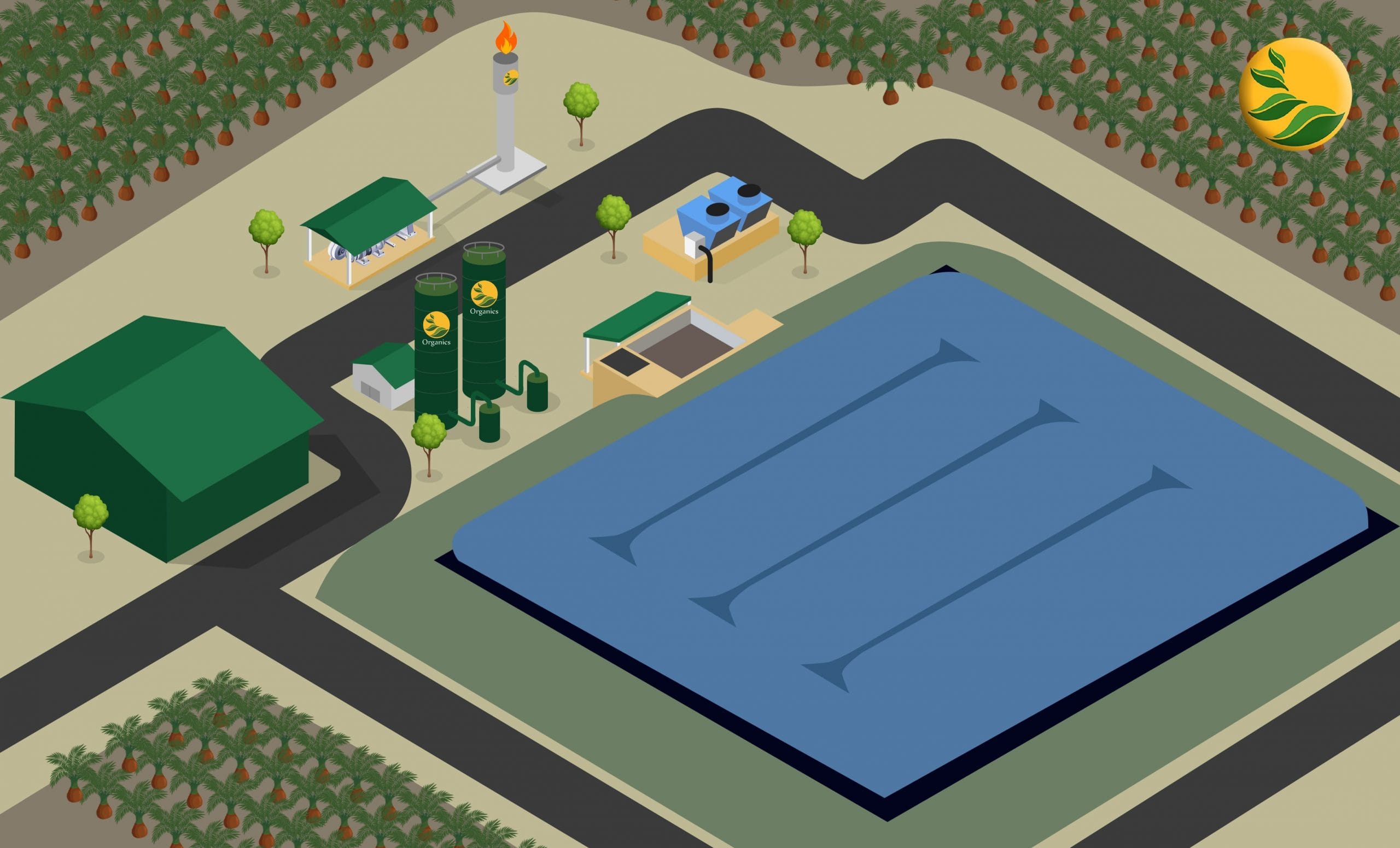
Isometric illustration of Anaerobic Digester in Organics Bali

Written by

Recent Post

Monetising Waste Residues: Biochar Production in the Palm Oil Sector

Monetising Waste Residues: Biochar Production in the Palm Oil Sector

Indonesia, as a leading global producer of palm oil, faces significant challenges stemming from the waste generated by its palm oil industry. Each year, vast amounts of agricultural residues such as empty fruit bunches, palm kernel shells, fibres, and fronds are...

Unlocking the Potential of Biochar for Indonesia’s Carbon Credits

Unlocking the Potential of Biochar for Indonesia’s Carbon Credits

Recent PostAs awareness of climate change increases, the Indonesian government encourages various industrial sectors to reduce carbon emissions. The government implements regulations and initiatives aimed at reducing greenhouse gas emissions. One solution gaining...

View more….

Indonesia, as one of the largest palm oil producers in the world, produces millions of tons of Palm Oil Mill Effluent (POME) waste that has great potential to be converted into renewable energy. One effective solution is to process POME into biogas, which can reduce greenhouse gas emissions, reduce operational costs, and generate electricity for factory operations. In this article, we will comprehensively explain how the POME conversion process into electricity is carried out through closed anaerobic digester technology.

Renewable Energy Potential from POME


As one of the largest palm oil producing countries in the world, Indonesia has great potential in producing renewable energy from palm oil industry waste. Every year, palm oil mills produce Palm Oil Mill Effluent (POME), which if accumulated reaches more than 28 million tons of POME. This waste not only pollutes the environment, but also produces greenhouse gases such as methane (CH4), which has a global warming potential 25 times greater than carbon dioxide (CO2). Therefore, effective technology is needed to overcome this problem while providing additional benefits to the company.


Anaerobic Digester Technology: A Solution for POME


One of the most effective solutions is the conversion of POME into biogas using anaerobic digester technology. In addition to reducing greenhouse gas emissions, biogas provides economic added value to palm oil mills by reducing operational costs and producing reusable electrical energy. This article will discuss how the POME process is converted into electricity, specifically through the closed lagoon anaerobic digester method.


Stages of the POME to Electricity Conversion Process


1. Transporting POME to the Mixing Pond

The initial stage of this process is transporting POME from the factory to the mixing pond. The POME liquid waste produced usually has a high temperature, ranging from 60°C to 80°C. Therefore, in the mixing pond, the temperature is equalized by mixing hot POME with cooled POME from other ponds. This process aims to ensure that the POME has the ideal temperature before being put into the anaerobic digester.


2. Transferring POME to Closed Lagoon

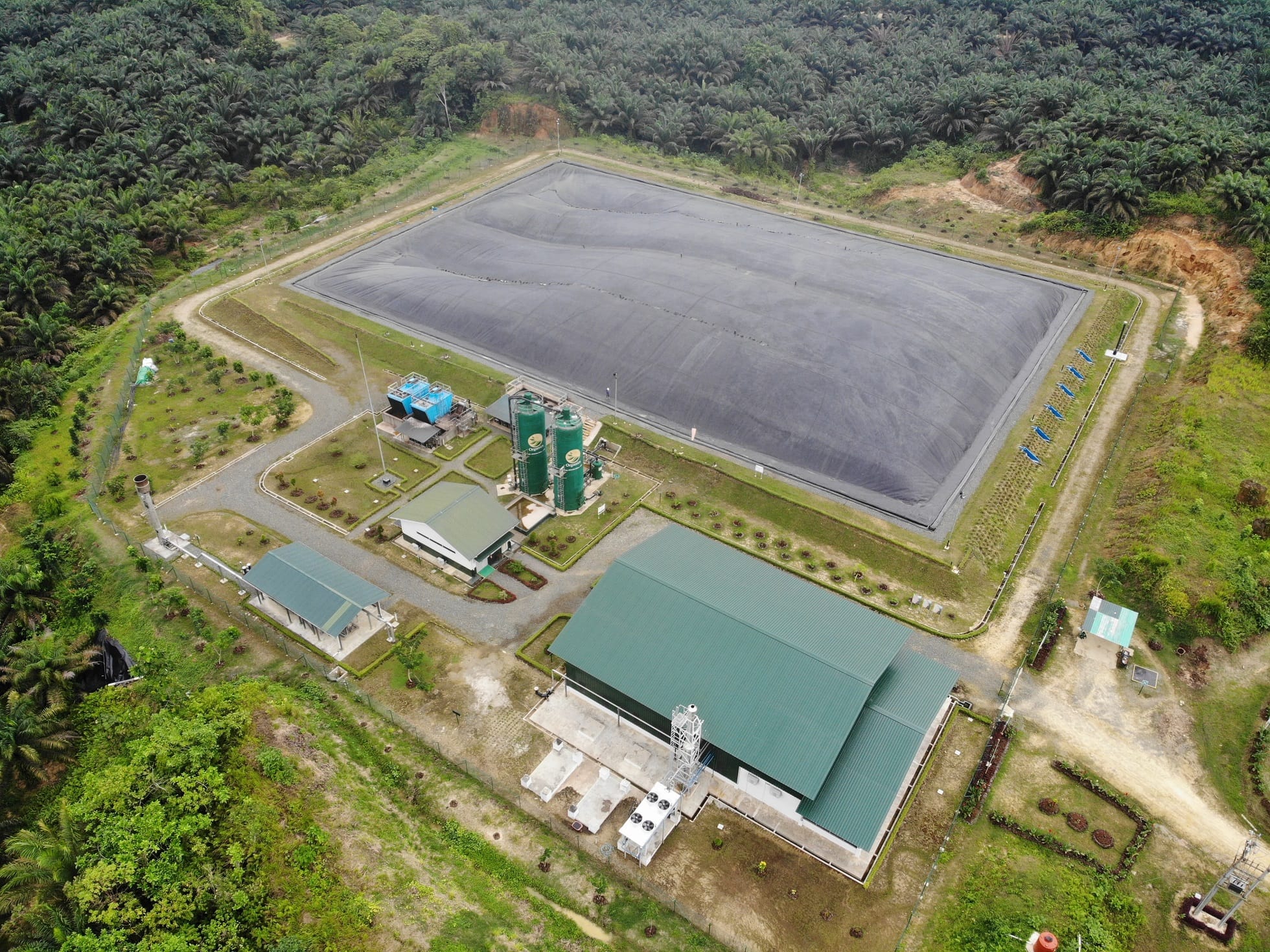
After the POME temperature reaches the ideal point, the POME is transferred to a closed lagoon. The POME is then channelled into the closed lagoon through pipes that are evenly distributed, thus accelerating the mixing and distribution of organic materials in the lagoon.

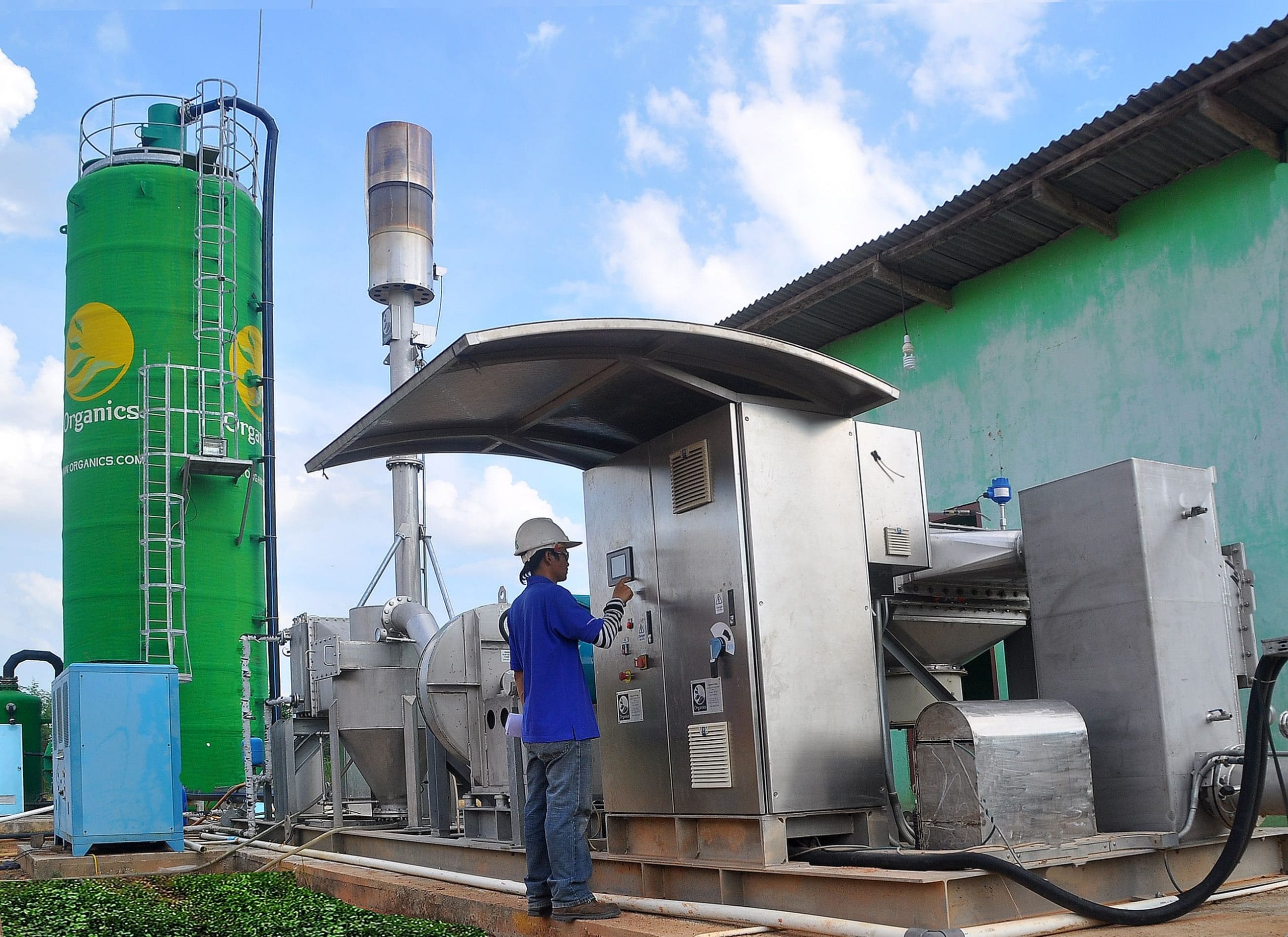
We usually operate our Anaerobic Digester lagoon as a mesophilic method, which is around 25-40°C, which is ideal for Indonesia according to its climate characteristics. Other method such as thermophilic method, operates at higher temperature to 50-65°C. Although thermophilic method produces more gas, it requires additional heat input, which is not practical with a lagoon digester. Therefore, mesophilic is easier to maintain.


Anaerobic Digester Process

In this closed lagoon, an anaerobic digester process occurs which consists of four main stages:

  • Hydrolysis: Large organic molecules such as carbohydrates and proteins are broken down into smaller molecules.

  • Acidogenesis: Hydrolysis molecules are converted into simple organic acids, alcohol, hydrogen, and carbon dioxide.

  • Acetogenesis: Organic acids are converted into acetate, hydrogen, and CO2.

  • Methanogenesis: Microorganisms produce methane gas (CH4) from acetate and hydrogen.

Under mesophilic conditions, this process is slower than the thermophilic method. However, the thermophilic method requires tighter temperature control. Click further to read about the Anaerobic Digester fermentation process. 

3. Biogas Purification

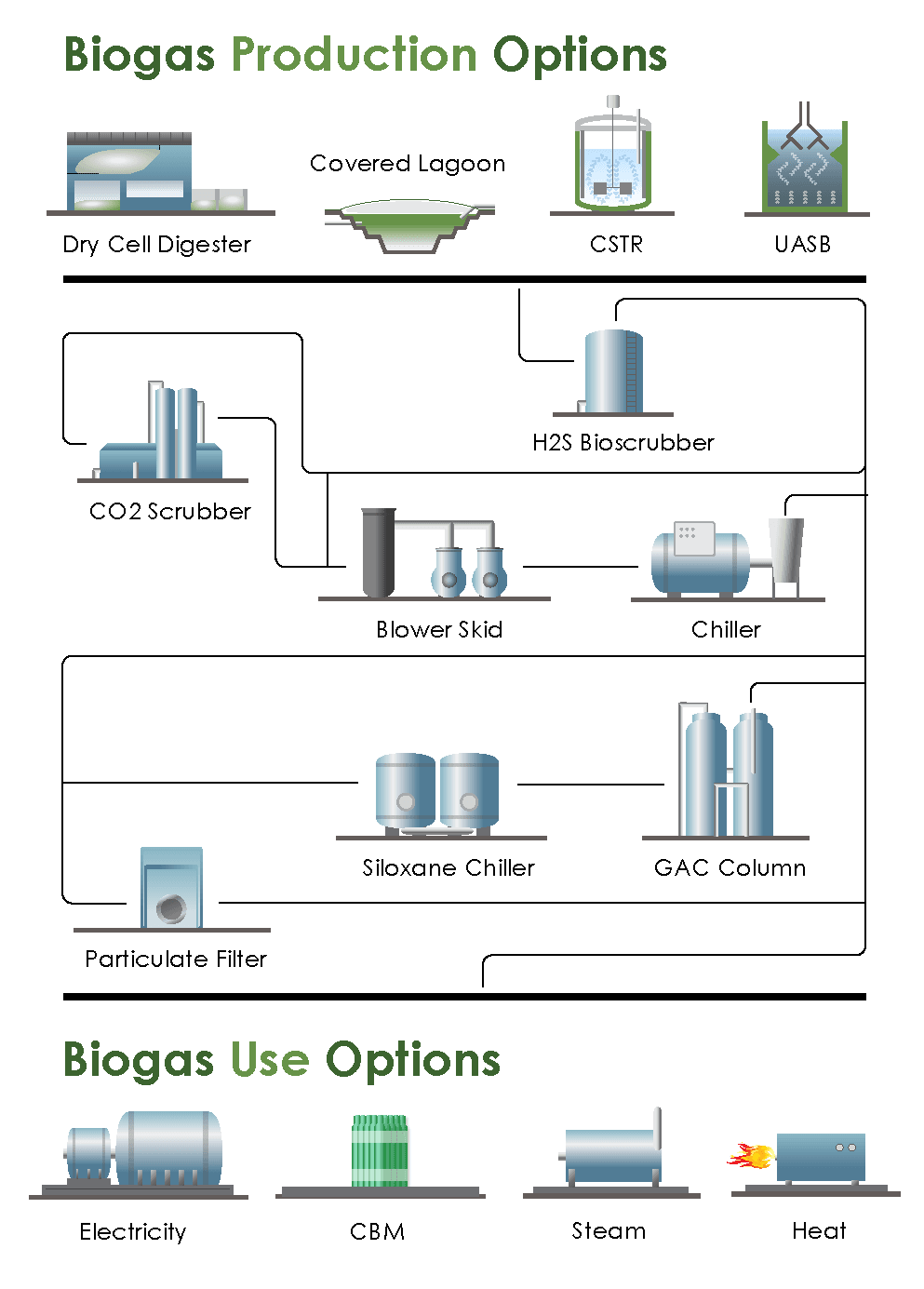
After the methanogenesis process, the biogas formed consists of a mixture of methane, carbon dioxide, and a few contaminants such as hydrogen sulfide (H2S). H2S is corrosive and can damage equipment if not removed. Therefore, the biogas gas is channeled through a bioscrubber to remove H2S. After that, the gas is cooled using a chiller to reduce humidity and passed through additional purification systems such as siloxanne and filters to remove other contaminants.

4. Excess Gas Management

Under certain conditions, biogas production can exceed the capacity of the electric generator. When this happens, the supervisory control and data acquisition (SCADA) will provide an indication, and the automatic system will direct the excess gas to the flare. The gas is burned in a flare and released into the atmosphere safely according to international standards such as the AP-42 Compilation of Air Emissions Factors from the U.S. Environmental Protection Agency (EPA). This process ensures that the released gas does not harm the environment.

5. Converting Biogas to Electricity

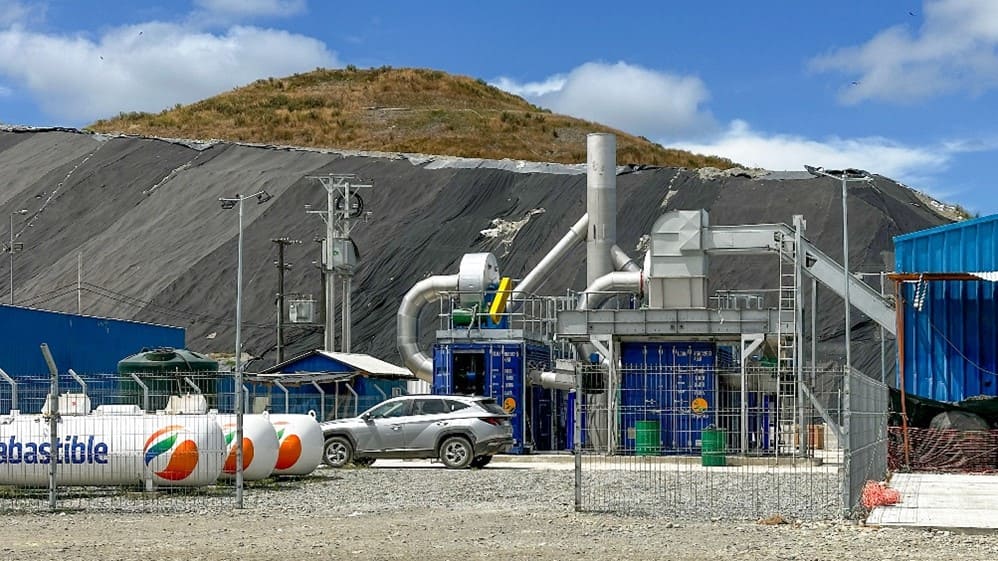
After the biogas is purified, it is channeled to the power house to drive the electric generator. The methane gas burned in the generator will produce electricity that can be reused by the factory for various purposes. For a palm oil factory with a production capacity of 60 tons per hour (tph), this biogas system can produce electricity of 2 to 4 megawatts electrical (MWe), depending on the quality of the POME and the method used.


Safety and System Efficiency


The system designed by Organics Bali always prioritizes safety and efficiency, with minimal supervision and maintenance requirements. This allows for reduced manpower requirements in the field, as well as increased system reliability in the long term. The operational life of a biogas plant with a closed pond system generally ranges from 10 to 15 years, with routine maintenance carried out every 5 to 7 years to replace materials or repair damaged parts.


Biogas for Co-Firing


Biogas produced from the anaerobic digester process can not only be used to generate electricity, but also has important applications in co-firing with fossil fuels to run boilers. Once the biogas is purified and ready to use, it can be flowed into the boiler as one of the energy sources. This co-firing process allows palm oil mills to reduce their dependence on fossil fuels, which in turn reduces carbon emissions and fuel costs. By combining biogas with fossil fuels, mills can utilize energy from waste efficiently and sustainably, while maintaining the stability of boiler operations.


Efficiency and Benefits of Co-Firing


According to research by Kumar et al. (2021), co-firing biogas with coal in industrial boilers can reduce greenhouse gas emissions by up to 30% compared to using pure coal. In addition, the use of biogas for co-firing can increase boiler efficiency by optimizing combustion and reducing the accumulation of ash residue. In this application, biogas serves as an additional energy source that helps maintain operating temperature and combustion stability.


Efficient Co-Firing System


A well-designed co-firing system can utilize biogas as the main or additional fuel, depending on the availability and quality of biogas. According to a report by the International Renewable Energy Agency (IRENA) (2022), co-firing biogas can significantly increase the contribution of renewable energy in the industrial energy system and support the achievement of clean energy targets.

Sistem co-firing yang dirancang dengan baik dapat memanfaatkan biogas sebagai bahan bakar utama atau tambahan, tergantung pada ketersediaan dan kualitas biogas. Menurut laporan oleh International Renewable Energy Agency (IRENA) (2022), co-firing biogas dapat meningkatkan kontribusi energi terbarukan dalam sistem energi industri secara signifikan dan mendukung pencapaian target energi bersih.


Conclusion


The process of converting Palm Oil Mill Effluent (POME) into electricity through anaerobic digester technology offers an effective solution to environmental and economic challenges in the palm oil industry. By processing POME into biogas, palm oil mills can reduce greenhouse gas emissions, manage waste sustainably, and reduce operating costs. Closed pond anaerobic digester technology, which utilizes the high temperatures in Indonesia, provides high efficiency in biogas production and waste processing.

Potential of Biogas in Co-Firing


In addition, the biogas produced can be used in co-firing applications with fossil fuels to run boilers, increasing energy efficiency and reducing dependence on fossil fuels. This co-firing allows plants to utilize renewable energy flexibly and sustainably, while minimizing environmental impacts. With technology continuing to develop and support from solutions such as those offered by Organics Group, the potential for biogas as an energy source in Indonesia is growing and supporting the achievement of Net Zero goals.


Organics Group – Anaerobic Digester System


Organics Group provides a range of anaerobic digester solutions designed to handle different types of feedstock and specific operating conditions. We offer two main types of systems: CSTR (Continuously Stirred Tank Reactor), TPAD (Thermally Phased Anaerobic Digestion) and CLBR (Closed Lagoon Biogas Reactor).

Our CSTR systems are designed to deliver high efficiency in a continuous stirring process, ideal for feedstocks that require intensive homogenization. On the other hand, our CLBR systems use a closed pond that allows the organic degradation process under thermophilic conditions, taking advantage of Indonesia’s high temperatures to increase biogas production rates.

We also offer TPAD, combining mesophilic and thermophilic phases for improved biogas yields and reduced retention time. This flexibility allows us to provide customized solutions tailored to your specific needs in the Indonesian market.

We provide a comprehensive service from design to implementation of anaerobic systems that can be adapted to a wide range of industrial wastewater. The waste materials we handle include tapioca, palm oil, rice, and coconut leaves, all of which can produce effluents that require special treatment to optimize conversion to biogas.

In Indonesia, Organics Group has successfully installed four anaerobic digester systems in Sumatra and Kalimantan. The output of these systems varies widely: some are used for co-firing with fossil fuels, while others are used for electricity generation. In addition, there is also surplus energy produced and exported to PLN to support the national electricity grid. For more information about these projects and the results they have achieved, you can visit our portfolio.

Resource

Kementerian Energi dan Sumber Daya Mineral Republik Indonesia. (2017). Peraturan Menteri Energi dan Sumber Daya Mineral No. 12 Tahun 2017 tentang Pemanfaatan Sumber Energi Terbarukan untuk Penyediaan Tenaga Listrik. Jakarta: Kementerian ESDM.

Wijaya, A., & Sutrisno, T. (2018). Pemanfaatan Biogas dari POME untuk Menghasilkan Energi Listrik pada Pabrik Kelapa Sawit di Indonesia. Jurnal Energi Baru dan Terbarukan, 9(2), 113-125. https://doi.org/10.1234/jebt.v9i2.5678

Zhang, Y., & Wang, H. (2017). Four Stages of Anaerobic Digestion: A Review. Renewable Energy Reviews, 74, 411-426. https://doi.org/10.1016/j.rser.2017.02.020

Kumar, S., et al. (2021). Co-firing of Biogas and Coal for Reducing Greenhouse Gas Emissions. Renewable Energy Journal.

International Renewable Energy Agency (IRENA). (2022). Renewable Energy Technologies: Co-firing Biogas in Industrial Boilers. IRENA Publications.

Contact Us

For more information about biogas systems and how they can benefit your organization, contact our sustainable energy consulting team today. Embrace green innovation and transform your waste management strategy with the latest biogas solutions.

Exciting News: Organics and Bumitama Gunajaya Agro Partner on Latest POME to Co-Firing Project

Exciting News: Organics and Bumitama Gunajaya Agro Partner on Latest POME to Co-Firing Project

Isometric illustration of Anaerobic Digester in Organics Bali

Written by

We are thrilled to share a significant development in our commitment to sustainable energy!

On August 26th, Organics officially signed an agreement with Bumitama Gunajaya Agro to launch a groundbreaking project utilizing Palm Oil Mill Effluent (POME) for co-firing. The signing ceremony took place at the Bumitama Gunajaya Agro headquarters in South Jakarta.

About This Project

The project that has been started on the 5 Aug 2024, is located in Central Kalimantan at a palm oil mill with a capacity of 75 tons per hour (TPH) of fresh fruit bunches (FFB). The biogas used in this project is generated from the treatment of Palm Oil Mill Effluent (POME). This project is designed with focus on Co-Firing for Boiler Efficiency. Additionally, the biogas from POME will be used for co-firing to operate the palm oil mill’s boiler, ensuring a more efficient and environmentally friendly process.

[edm_gallery gallery_ids=”34386,34387,34388,34389″ gallery_layout=”masonry” number_of_col=”2″ _builder_version=”4.27.0″ _module_preset=”default” global_colors_info=”{}”][/edm_gallery]

Strategic Partnership for Sustainability

This partnership with Bumitama Gunajaya Agro is a significant step forward in our commitment to renewable energy and sustainable industrial practices. By utilizing biogas produced from POME, we seek to make a real contribution to reducing carbon emissions and promoting clean energy solutions in the palm oil industry.


Why This Matters

[edm_gallery gallery_ids=”34391,34390″ gallery_layout=”masonry” number_of_col=”2″ _builder_version=”4.27.0″ _module_preset=”default” min_height=”228.7px” custom_margin=”||7px|||” global_colors_info=”{}”][/edm_gallery]

This project is not only focused on energy generation but also aims to transform how the industry views sustainability. The integration of POME-derived biogas for boiler operation in Central Kalimantan highlights the innovative potential of renewable energy technologies in addressing global environmental challenges. We will also be utilizing biogas digesters or reactors to ensure an optimal process.

Biogas management will be a key aspect of this project’s operations, including biogas monitoring and biogas waste management, to minimize environmental impact.

Looking to the Future

[edm_gallery gallery_ids=”34392,34292,34097,33507″ gallery_layout=”masonry” gallery_col_padding=”11px” number_of_col=”2″ _builder_version=”4.27.0″ _module_preset=”default” min_height=”402.7px” custom_margin=”||7px|||” global_colors_info=”{}”][/edm_gallery]

As this project moves forward this year, we are excited about the positive impact it will have on both our operations and the environment. We are grateful for the trust and partnership with Bumitama Gunajaya Agro and are confident that this collaboration will set new standards for sustainability in the industry.

While the current project is centered on co-firing, there is exciting potential for future expansion into biogas production from POME. This would further enhance the sustainability of mill operations by generating renewable energy directly from POME treatment.


Stay Connected

Follow our progress as we bring this project to life, paving the way for a greener and more sustainable future. Stay tuned for updates on our project’s progress. We will also be sharing articles about biogas and renewable energy news regularly through our website and social media, including guides on how biogas power generation works, biogas generator technology, and information about biogas digester components.

Recent Post

Others..

Contact Us

For more information about biogas systems and how they can benefit your organization, contact our sustainable energy consulting team today. Embrace green innovation and transform your waste management strategy with the latest biogas solutions.

Net Zero Waste Roadmap  & Renewable Energy Potential in Palm Oil Mill Indonesia

Net Zero Waste Roadmap  & Renewable Energy Potential in Palm Oil Mill Indonesia

Isometric illustration of Anaerobic Digester in Organics Bali

Written by

Recent Post

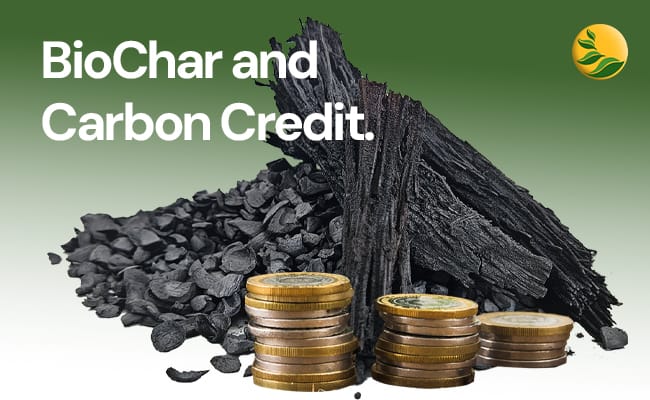
Monetising Waste Residues: Biochar Production in the Palm Oil Sector

Monetising Waste Residues: Biochar Production in the Palm Oil Sector

Indonesia, as a leading global producer of palm oil, faces significant challenges stemming from the waste generated by its palm oil industry. Each year, vast amounts of agricultural residues such as empty fruit bunches, palm kernel shells, fibres, and fronds are...

Unlocking the Potential of Biochar for Indonesia’s Carbon Credits

Unlocking the Potential of Biochar for Indonesia’s Carbon Credits

Recent PostAs awareness of climate change increases, the Indonesian government encourages various industrial sectors to reduce carbon emissions. The government implements regulations and initiatives aimed at reducing greenhouse gas emissions. One solution gaining...

See More..

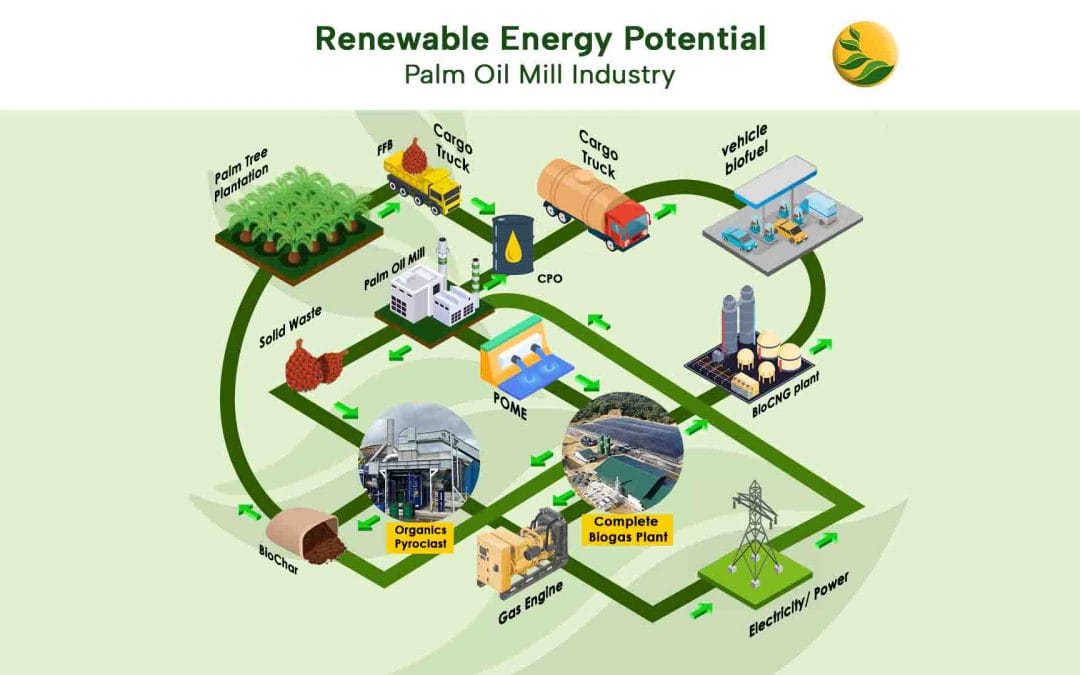
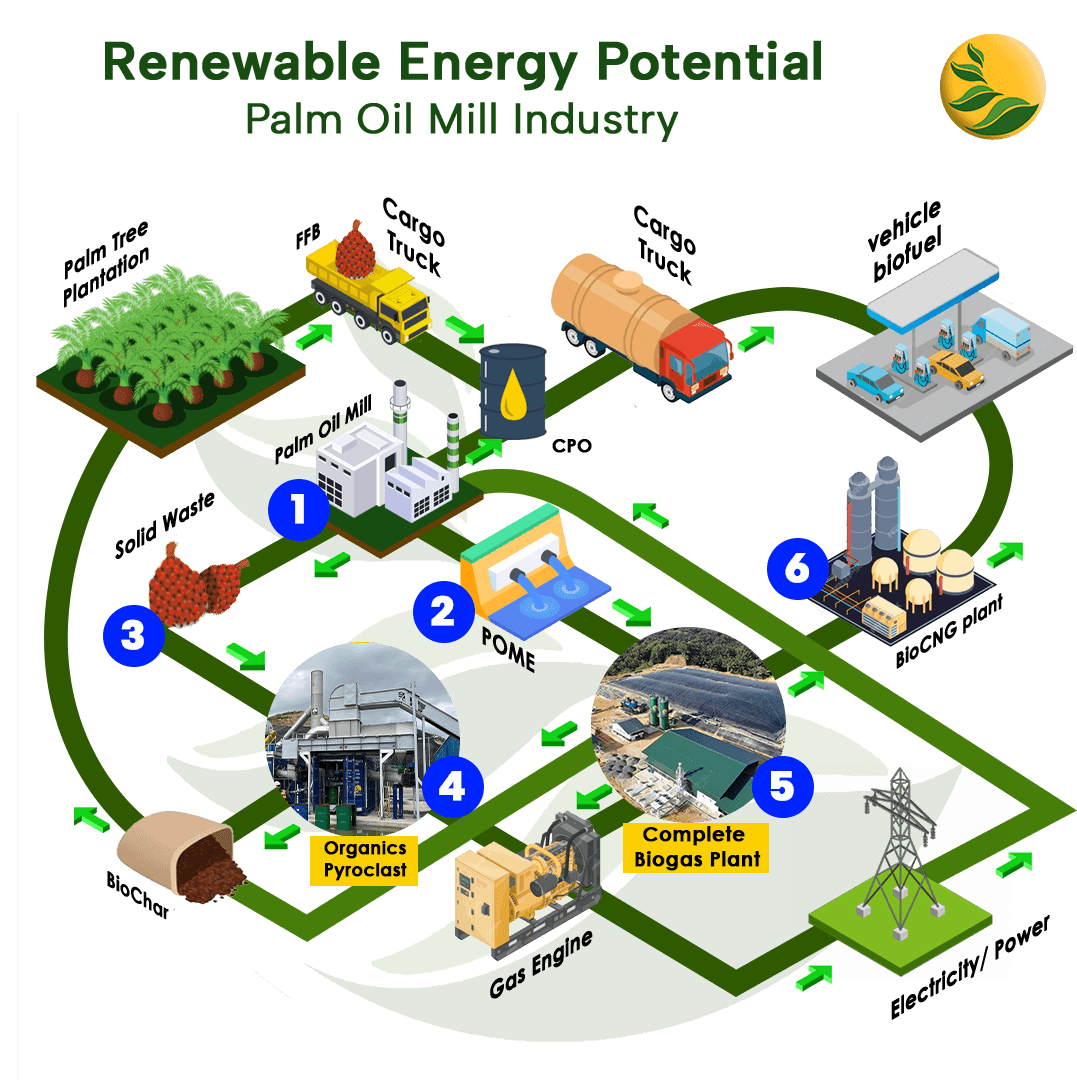
Palm oil mills have great potential to support the transition to renewable energy through effective waste management. One innovative way that is gaining attention is the utilization of liquid waste such as POME (Palm Oil Mill Effluent) to produce biogas, a solution that not only reduces environmental impact but also provides long-term economic benefits. By processing solid waste into biochar through the pyrolysis process, palm oil mills can further contribute to efforts to reduce carbon emissions and support sustainability efforts through the implementation of the Net Zero Waste Roadmap.

1. Palm Oil Mill Production : Managing Waste into Energy Sources


Production in a palm oil mill begins with the process of extracting oil from fresh fruit bunches (FFB). This process produces various types of waste, both liquid and solid, which require management to reduce negative impacts on the environment. One of the main liquid wastes produced is POME (Palm Oil Mill Effluent), which can be processed into biogas through a biogas processing system.

For example, a palm oil mill with a production capacity of 60 tons of FFB per hour can produce around 4,000-6,000 Nm³ of biogas per day. This is due to the high organic content in POME which makes it an effective source of biogas fuel. In addition, other waste produced by palm oil mills such as empty fruit bunches, shells, and fibers can also be further processed to produce biogas or used as other renewable energy sources. Therefore, the processing of this waste, including the conversion of POME into biogas, is an important step in utilizing liquid waste into high-potential fuel.

2. POME : Ideal Biogas Feedstock

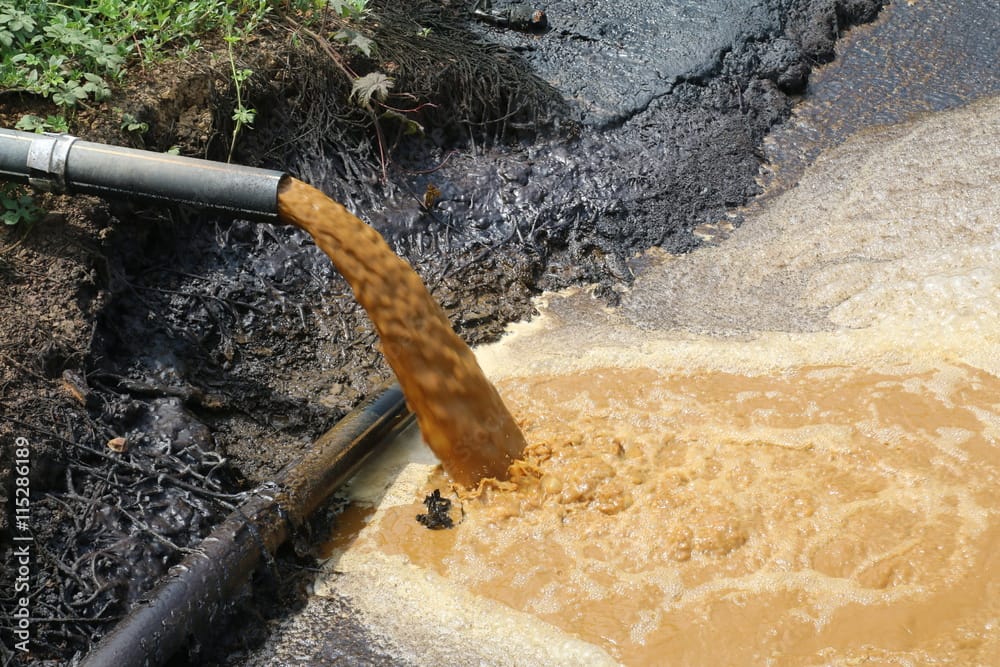
POME is a liquid waste produced from the palm oil processing process. In general, POME has a very high organic content, including fatty acids, oils, and suspended solids. This high organic content, especially significant COD and BOD values, makes POME very dangerous if not managed properly. Thus, high COD and BOD reflect the large amount of oxygen needed to decompose organic matter in water, which can cause a decrease in dissolved oxygen in water bodies if POME is discharged without treatment. This can result in the death of aquatic organisms and damage the aquatic ecosystem.

Therefore, POME is an ideal material for biogas plants for several main reasons:

  • High Organic Content: POME has a COD (Chemical Oxygen Demand) value of around 50,000 – 80,000 mg/L and a BOD (Biochemical Oxygen Demand) of around 25,000 – 35,000 mg/L, making it very suitable for biogas treatment systems. The high organic content is the main ingredient used in making biogas through anaerobic processes in biogas reactors such as biogas digesters.
  • Large and Consistent Volume: Every ton of fresh fruit bunches (FFB) processed can produce around 0.5-1.2 tons of POME. Because the abundant availability of POME supports biogas waste management on a large scale, it allows biogas plants to operate sustainably and efficiently.
  • Efficiency in Reducing Environmental Impacts: Processing POME in biogas plants not only produces renewable energy but also reduces environmental impacts significantly. POME, if not processed, can pollute the environment.
  • Favorable Composition for Anaerobic Processes: POME has a pH and temperature that are close to optimal for the biogas production process in biogas digesters. Its nutritional content supports the growth of microorganisms needed for biogas monitoring and biogas production.

Biogas Utilization from POME: Environmental and Economic Solution

Biogas is the most ideal solution for processing POME (Palm Oil Mill Effluent) because it not only offers energy efficiency by producing biogas that can be used as an alternative energy source, but also provides significant environmental benefits. In addition, from a commercial perspective, although the initial investment costs are quite high, biogas can be a profitable long-term income. Furthermore, the results of biogas and its residues, such as organic fertilizer and biochar, offer additional income opportunities and added value, making it a sustainable and profitable investment in the long term.

Organics Bali has the expertise and advanced technology in utilizing the potential of POME for biogas production. With high-reliability European technology standards, we ensure that our biogas plants operate efficiently and smoothly after the commissioning process. We have installed and operated four active biogas plants in Indonesia, including in Sumatra and Kalimantan. Click the following link to view our portfolio and find out how we can help you optimize the potential of POME into profitable biogas.

3. Solid Waste: Converting Waste into Biochar

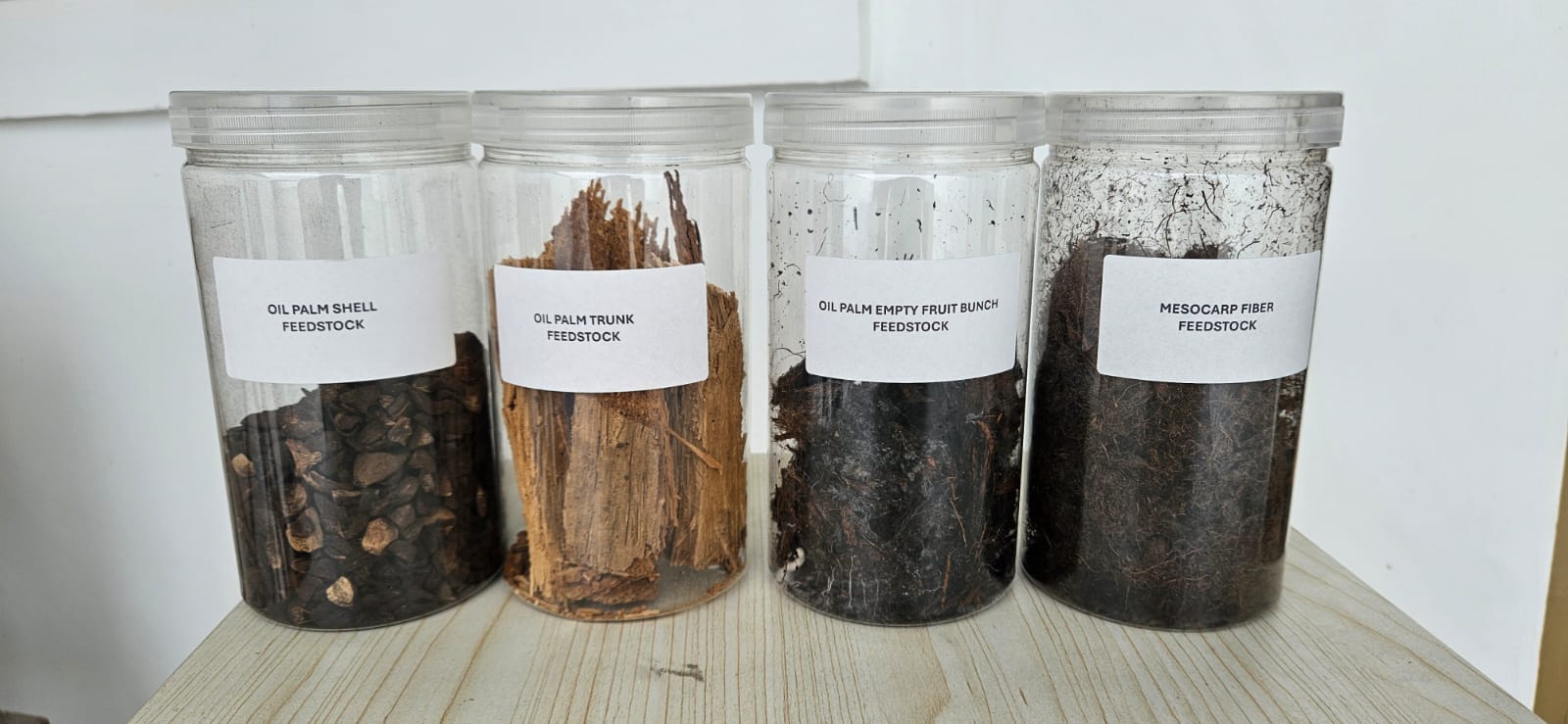
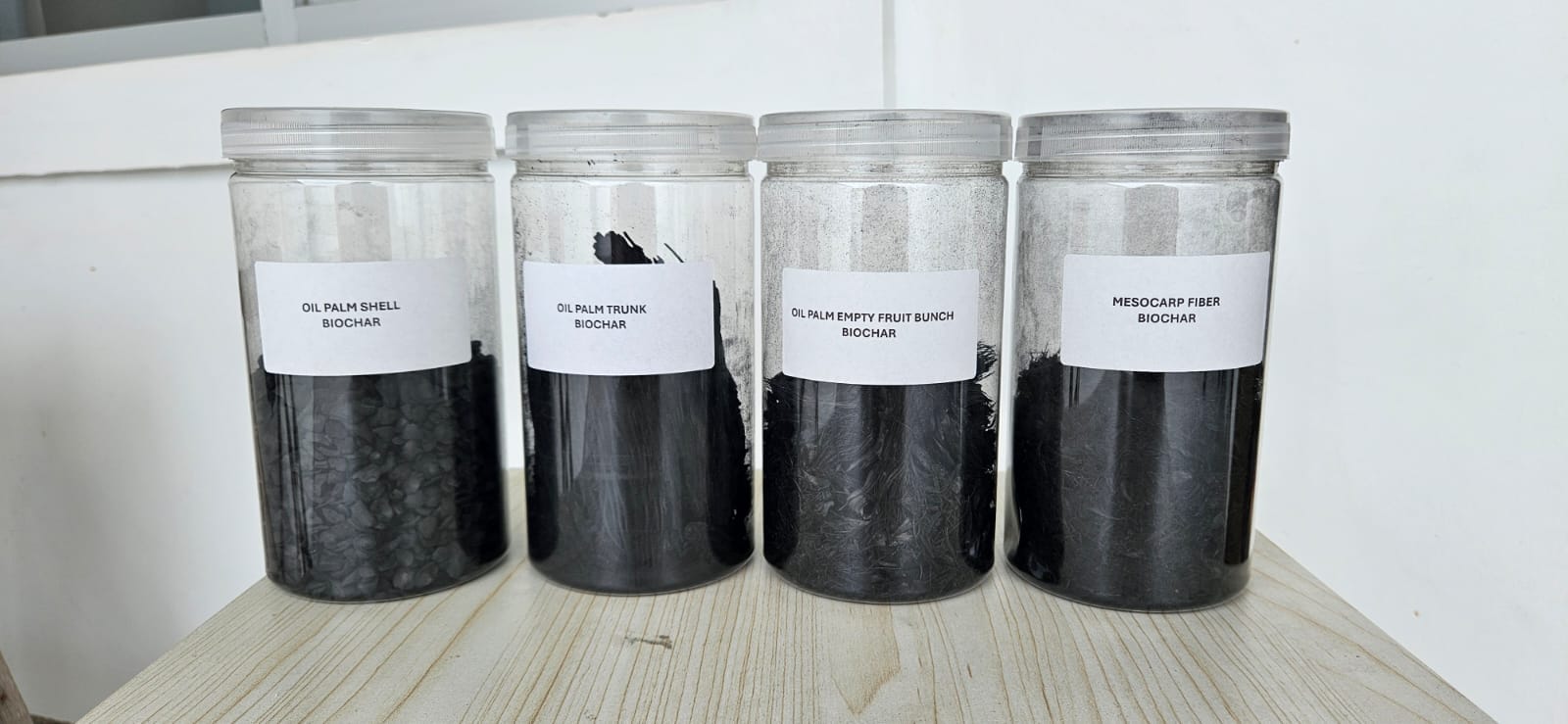
In addition to POME, palm oil mills also produce various types of solid waste such as empty bunches, fronds, palm shells, and fibers. Each type of solid waste has the potential to be processed into biogas or other more valuable products, one of which is biochar.

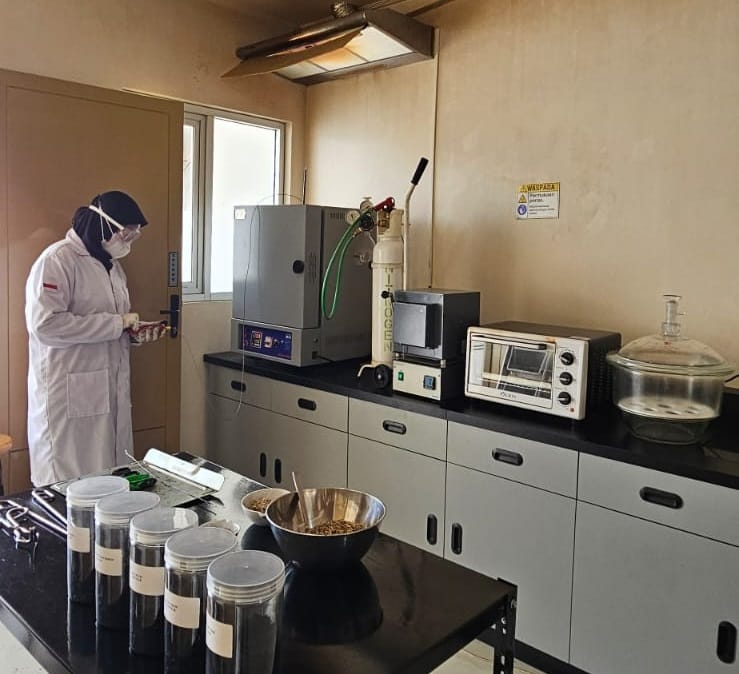
However, special testing is needed to determine the effectiveness and quality of the biochar produced. Organics Bali has a Research and Development facility in Bandung equipped with special equipment to conduct this testing. Furthermore, we use reference standards from the World Biochar Certificate (WBC) and Carbon Standards International to ensure that the biochar quality parameters are met.

4. Pyroclast – The Processing Biomass into Biochar

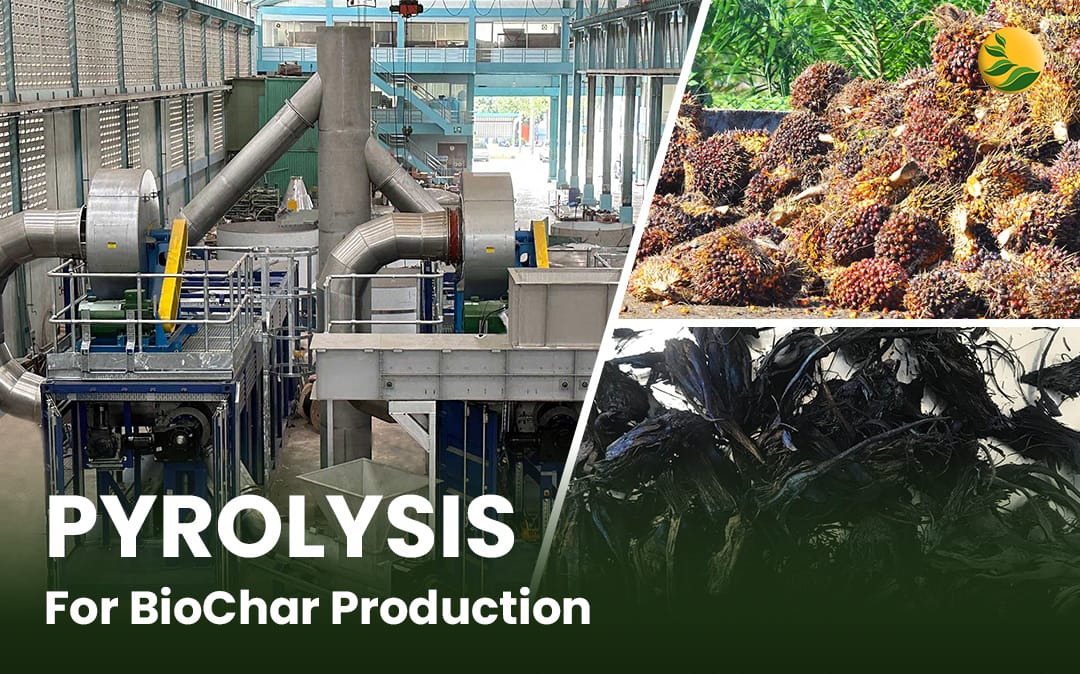
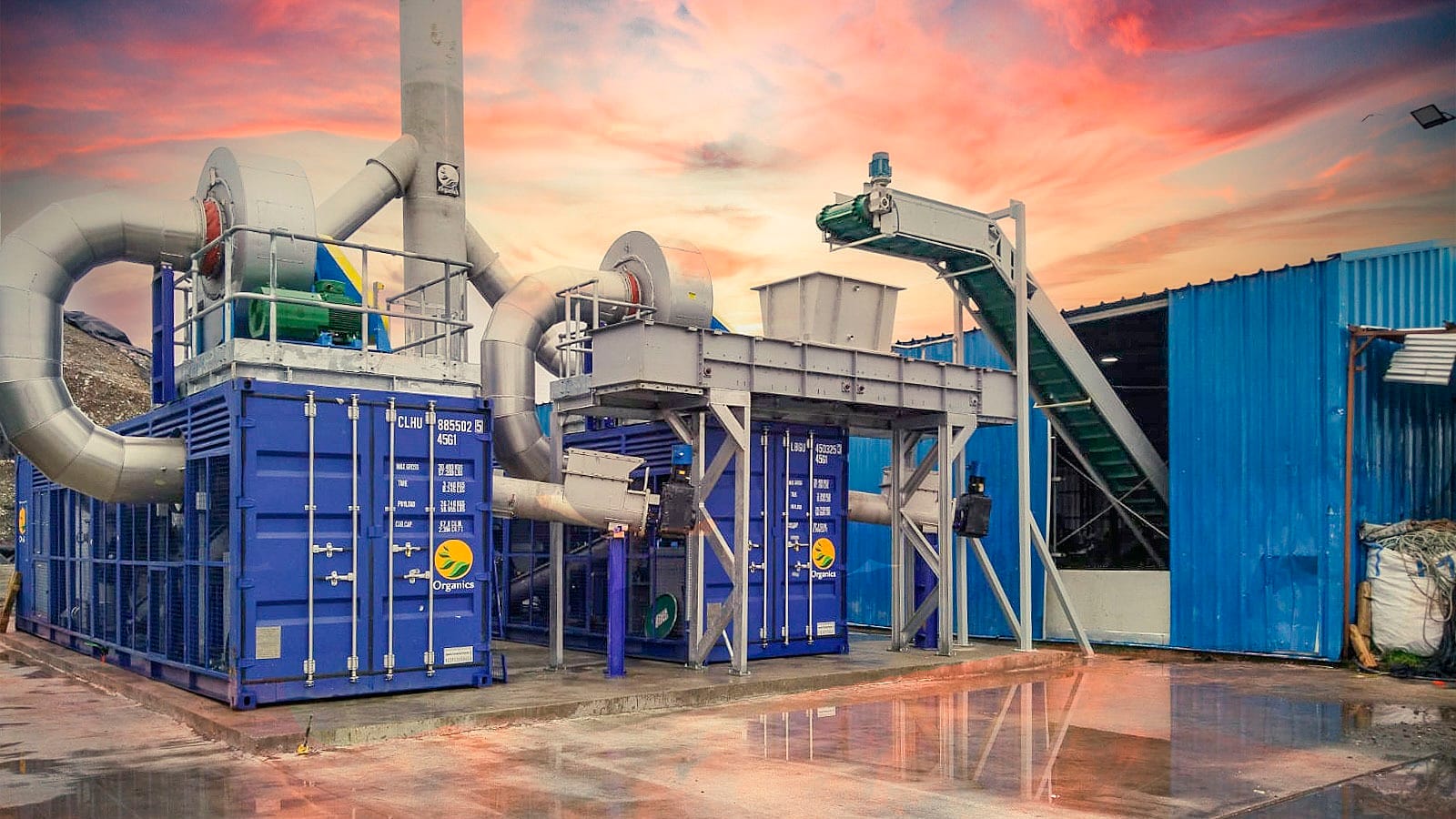
Biomass pyrolysis is a thermochemical process that breaks down organic matter at high temperatures without oxygen. One of the products of the pyrolysis process is biochar. Biochar has various benefits, one of which is its contribution to carbon sequestration or carbon absorption.

The results of the biomass pyrolysis process include:

  • Biochar: A solid product rich in carbon, useful as a soil ameliorant, pollutant absorber, and fuel.
  • Biogas: A mixture of gases, mainly methane (CH₄) and carbon dioxide (CO₂), that can be used as a renewable energy source.
  • Pyrolysis Oil: A complex liquid consisting of various organic compounds, including phenols, organic acids, and ketones. This oil can be used as fuel or further processed into chemicals.
  • Flying Gas: Other light gases such as hydrogen (H₂), carbon monoxide (CO), and methane (CH₄) that can also be used as fuel.

The results of pyrolysis vary depending on the type of biomass, pyrolysis temperature, and process conditions.

Why Biochar is an Ideal Solution for Biomass:

Biochar is an ideal solution for biomass for several key reasons:

  • Effective Carbon Storage: Plant photosynthesis absorbs CO₂ from the atmosphere and stores it in biomass. When plants die or are cut down, this carbon is released back into the atmosphere as CO₂. Sustainable biomass management aims to prevent this carbon release.
  • Pyrolysis as a Solution: Pyrolysis is an ancient technique that has been used for over three thousand years to address the problem of carbon release. Specifically, the process involves heating biomass in an oxygen-free environment, producing a stable product.
  • Biochar Production: During pyrolysis, biomass is converted into biochar, a stable form of carbon that can be used as a soil ameliorant. Thus, biochar helps improve soil health and reduce greenhouse gas emissions.
  • Carbon Sequestration Method: Biochar functions as a carbon sequestration method, storing carbon in a form that is not easily broken down and preventing it from returning to the atmosphere as CO₂.
  • Carbon Credits: The use of biochar in agriculture can be categorized as an emission reduction project that has the potential to earn carbon credits, especially in voluntary carbon market schemes. For example, the potential of biochar as part of the climate solution in Indonesia is recognized and supported by the Indonesian government, as stated in the Regulation of the Minister of Environment and Forestry Number 7 of 2023 concerning Procedures for Carbon Trading in the Forestry Sector.

By using biochar, biomass is not only managed sustainably but also makes a positive contribution to the environment and economy through emission reduction and carbon credit trading.

5. Complete Biogas Plant – Biogas Feedtrain

Biogas feedtrain refers to the system or process used to manage and feed feedstock into an anaerobic digestion system for biogas production. It includes several important stages in the processing of the feedstock before it enters the anaerobic digestion reactor. The following are the main components of a biogas feedtrain:

1. Biogas Plant

The biogas plant is the initial component that includes the collection and digestion of organic matter to produce biogas. It consists of an Anaerobic Digester (AD), where anaerobic digestion occurs in the absence of oxygen, and a Continuous Stirred-Tank Reactor (CSTR).

  • Anaerobic Digester (AD): The biogas reactor where the anaerobic fermentation process occurs to produce biogas. The biogas digester is an essential component that enables the production of biogas from organic waste.
  • Continuous Stirred-Tank Reactor (CSTR): The ideal biogas digester component for POME treatment as it allows for uniform mixing and efficient gas separation.

Anaerobic Digester (AD) is the most ideal component for palm oil mills because it is able to handle large volumes of POME and produce biogas with high efficiency. In addition, the CSTR system allows for better process control, ensuring stable biogas production, but at a higher price.

2. Gas Engine

The Gas Engine function is to move and regulate the flow of biogas from the reactor to the purification or storage system. A blower is used to move the biogas gas through the system, while a gas pump helps move the biogas from one part of the system to another. Both of these machines are essential to ensure a stable and consistent gas flow.

3. Biogas Purification or Treatment

Biogas purification or treatment is the stage where the biogas is cleaned and treated to remove contaminants.

  • Bioscrubber uses microorganisms to remove contaminants
  • Chiller cools the biogas to reduce humidity and condensation.
  • Filters remove solid particles and contaminants,
  • Siloxanes that can damage equipment must be removed through the purification process.
  • Flare serves as a safety system to burn gas that cannot be stored or used, reducing the risk of explosion or leakage.

4. Electric Generator

After the gas purification stage, the final stage is the conversion of biogas into electricity through the power house. The electric generator in the power house converts the purified biogas into electricity. The electricity produced can be used for various purposes, either for factory operational needs or sold to PLN. The sale of electricity must comply with applicable regulations, which will be discussed in the next section.

In addition to electricity, biogas can also be used as Co-Firing, and these benefits can be a source of long-term income. Click the following link to read related articles on what can be used from Biogas and its economic benefits.

6. Compressed BioMethane (CMB) 

Compressed BioMethane (CBM) is a biogas fuel that has been purified and compressed into pure methane, offering higher and cleaner combustion efficiency than fossil fuels. The purification process removes CO2 and impurity gases, resulting in CBM which is ideal as an alternative fuel.

In Indonesia, with many palm oil mills, CBM can be an efficient solution for fuel for transport trucks, from fruit to the final CPO product. In addition to the economic benefits of saving fuel costs, CBM also contributes to reducing carbon emissions and dependence on fossil fuels.

CBM can also be developed into BioLNG, with the added benefit of higher energy density. For more information, watch our webinar recording at the following link :

Regulatory Framework: Supporting Biogas and Biochar Development in Indonesia

The implementation of biogas and biochar technology in Indonesia cannot be separated from strong regulatory support. The Indonesian government has issued various regulations that support the development of renewable energy, including in the utilization of industrial waste such as POME. Here are some relevant regulations:

  • Presidential Regulation No. 112 of 2022 concerning the Acceleration of New and Renewable Energy (EBT) Development
  • Ministerial Regulation of the Environment and Forestry Number 7 of 2023 concerning Procedures for Carbon Trading in the Forestry Sector
  • Regulation of the Minister of Energy and Mineral Resources No. 50 of 2017 concerning the Utilization of Renewable Energy for Electricity Provision

With the support of these regulations, palm oil mills that implement biogas and biochar technology not only contribute to sustainability efforts but can also take advantage of various incentives and carbon trading schemes available.

Conclusion: A Pathway to Sustainable Palm Oil Production

The application of biogas and biochar in the management of palm oil mill waste offers several significant benefits. First, biogas from POME not only provides a renewable energy source but also reduces greenhouse gas emissions, supporting the Net Zero goal.

With Organics, palm oil mills can adopt technologies that can improve operational efficiency, reduce environmental impacts, and open up new economic opportunities through carbon trading and renewable energy production. In addition, regulatory support from the Indonesian government further strengthens the position of biogas and biochar as an integral part of a more environmentally friendly and sustainable future for the palm oil industry.

Sumber:

Nasution, M. A., Wulandari, A., Ahamed, T., & Noguchi, R. (2020). Alternative POME treatment technology in the implementation of Roundtable on Sustainable Palm Oil, Indonesian Sustainable Palm Oil (ISPO), and Malaysian Sustainable Palm Oil (MSPO) standards using LCA and AHP methods. Sustainability, 12(4101). https://doi.org/10.3390/su12104101

Sodri, A., & Septriana, F. E. (2022). Biogas power generation from palm oil mill effluent (POME): Techno-economic and environmental impact evaluation. Energies, 15(7265). https://doi.org/10.3390/en15197265

World Biochar Certificate. (2023). Guidelines for a sustainable production of biochar and its certification (version 1.0). Carbon Standards International. http://www.european-biochar.org

Zhu, L., Lei, H., Zhang, Y., Zhang, X., Bu, Q., Wei, Y., Wang, L., & Villota, E. (2018). A review of biochar derived from pyrolysis and its application in biofuel production. SF Journal of Material and Chemical Engineering, 1(1007).

Contact Us

For more information about biogas systems and how they can benefit your organization, contact our sustainable energy consulting team today. Embrace green innovation and transform your waste management strategy with the latest biogas solutions.