Advancing Sustainable Agriculture: The Role of EFB Biochar in Fertilizer Reduction

Advancing Sustainable Agriculture: The Role of EFB Biochar in Fertilizer Reduction

Biochar derived from empty fruit bunches (EFB) of oil palm is gaining attention as a natural and sustainable solution to tackle various agricultural challenges. This innovation not only enhances soil quality and crop yields but also helps reduce the environmental impact of chemical fertilizers and greenhouse gas emissions. This article explores the benefits of EFB biochar, the challenges of its implementation, and its great potential in supporting sustainable farming practices, particularly in Southeast Asia.


This blog is derived from : SAWIT INDONESIA VOL.XIII EDISI 160 – 15 FEBRUARI / 15 MARET 2025
.
Written by Organics. Any reproduction or distribution of content without permission is prohibited.

Interested in the full Biochar article? Contact us to download the complete version!

[contact-form-7 id=”a484569″ title=”SAWIT vol XIII no 160″]

Recent Post

POME Waste to Biogas – PT EVANS

Digester Biogas dari Palm Oil Mill Effluent (pome)PT EVANSEast KalimantanThe project was for the design, installation, and commissioning of a Closed Lagoon Bio-Reactor (CLBR) for the treatment of palm oil mill effluent (POME). The objective of the project was to meet...
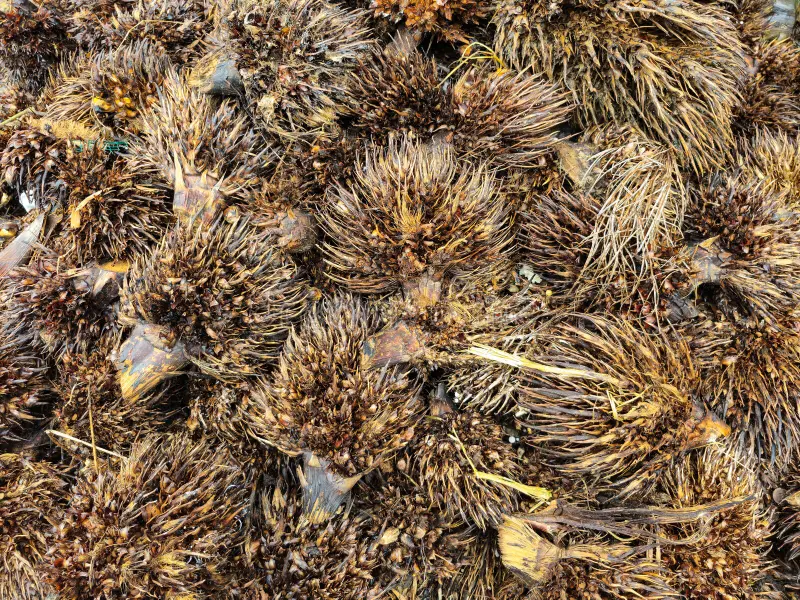
EFB biochar offers an innovative way to reduce dependency on chemical fertilizers while improving soil fertility. Produced through pyrolysis—a process that heats biomass in low-oxygen conditions—biochar retains essential nutrients such as potassium, phosphorus, and carbon. When applied to soil, it improves structure, enhances water and nutrient retention, and supports microbial activity.


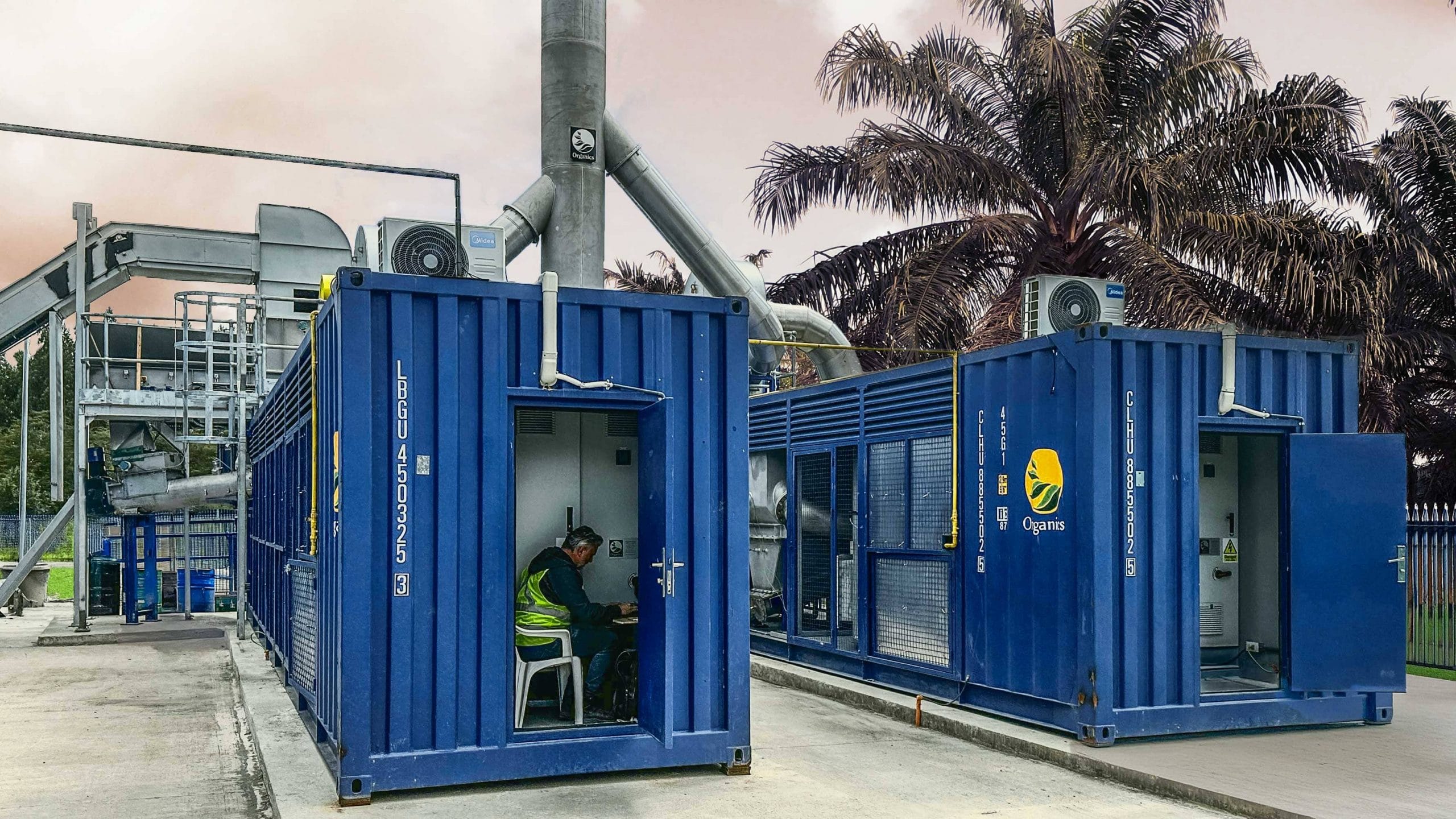
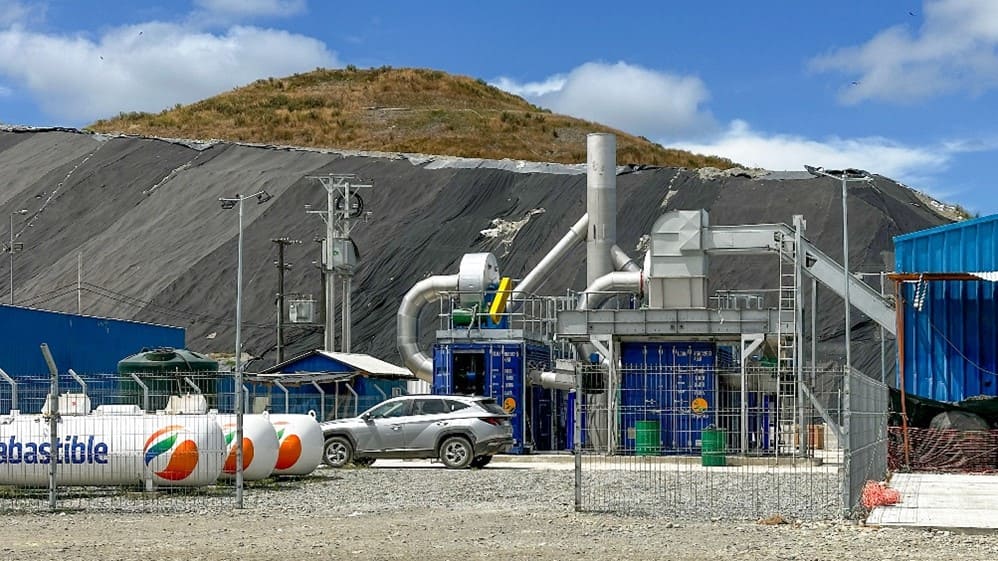
Organics Pyrolysis - PyroclastTM

The porous nature of biochar helps hold water and nutrients, making it especially effective in reducing nutrient loss in erosion-prone areas. When used alongside chemical fertilizers, biochar creates a synergistic effect that boosts nutrient uptake efficiency and lessens the environmental footprint of intensive farming.

Beyond soil benefits, biochar also plays a vital role in climate change mitigation. Its stable carbon structure enables long-term carbon storage in the soil. In rice cultivation, biochar has shown potential to reduce methane emissions by up to 43%, while still improving yields—a promising approach to lowering the environmental impact of rice production.

Despite its benefits, widespread adoption of biochar faces challenges, particularly high production costs and limited awareness among smallholder farmers. Financial support, targeted policies, and educational outreach are essential to encourage its use. Further research is also needed to tailor biochar applications to different agricultural systems.

With proper support, EFB biochar holds great promise in building a more resilient, efficient, and environmentally friendly agricultural future in regions like Southeast Asia.


Interested in the full Biochar article? Contact us to download the complete version!

[contact-form-7 id=”a484569″ title=”SAWIT vol XIII no 160″]

Work With Experts in Waste to Energy Project – Contact Us Now!

Advancing Sustainable Agriculture: The Role of EFB Biochar in Fertilizer Reduction

Mewujudkan Pertanian yang Berkelanjutan: Peran EFB Biochar dalam Mengurangi Pengunaan Pupuk

Biochar yang berasal dari tandan kosong kelapa sawit (TKKS atau EFB) semakin mendapat perhatian sebagai solusi alami dan berkelanjutan untuk mengatasi berbagai tantangan dalam sektor pertanian. Inovasi ini tidak hanya mampu meningkatkan kualitas tanah dan hasil panen, tetapi juga membantu mengurangi dampak lingkungan dari penggunaan pupuk kimia dan emisi gas rumah kaca. Artikel ini membahas manfaat biochar EFB, tantangan dalam implementasinya, serta potensi besar yang dimilikinya untuk mendukung pertanian berkelanjutan, khususnya di kawasan Asia Tenggara.

This blog is derived from : SAWIT INDONESIA VOL.XIII EDISI 160 – 15 FEBRUARI / 15 MARET 2025
.
Written by Organics. Any reproduction or distribution of content without permission is prohibited.

Tertarik dengan artikel Biochar selengkapnya? Hubungi kami untuk mengunduh versi lengkapnya!

[contact-form-7 id=”a484569″ title=”SAWIT vol XIII no 160″]

Post Terbaru

Perusahaan Biogas di Indonesia – PT Organics Bali

Post TerbaruPerusahaan biogas di Indonesia menjadi sangat krusial dalam proses pengolahan limbah organik & menyediakan energi terbarukan sebagai alternatif energi bersih untuk lingkungan. Peran perusahaan Biogas juga sebagai pilar untuk mencapai tujuan global...

Bio Digester solusi Renewable Energy & Efisiensi

Bio Digester adalah teknologi ramah lingkungan yang mengubah limbah organik menjadi energi biogas dan pupuk organik berkualitas. Solusi ini membantu mengurangi pencemaran, menyediakan energi terbarukan, sekaligus memberi nilai tambah dari sisa limbah yang biasanya...

Biochar yang berasal dari Tandan Kosong/ Empty Fruit Bunch (EFB) menawarkan solusi inovatif untuk mengurangi ketergantungan pada pupuk kimia dan meningkatkan kesuburan tanah. Diproduksi melalui proses pirolisis dalam kondisi minim oksigen, biochar mengandung nutrisi penting seperti kalium, fosfor, dan karbon. Saat diaplikasikan ke tanah, biochar memperbaiki struktur tanah, meningkatkan retensi air dan nutrisi, serta mendukung aktivitas mikroba.

Organics Pyrolysis - PyroclastTM

Sifat poros biochar membantu menahan air dan nutrisi, menjadikannya efektif untuk mencegah kehilangan unsur penting seperti nitrogen dan fosfor, terutama di daerah dengan risiko erosi tinggi. Ketika dikombinasikan dengan pupuk kimia, biochar menciptakan efek sinergis yang meningkatkan efisiensi penyerapan nutrisi dan mengurangi dampak lingkungan dari pertanian intensif.

Selain manfaat agronomis, biochar juga berperan penting dalam mitigasi perubahan iklim. Struktur karbonnya yang stabil memungkinkan penyimpanan karbon jangka panjang di tanah. Dalam budidaya padi, biochar terbukti mampu mengurangi emisi metana hingga 43%, sambil tetap meningkatkan hasil panen.

Namun, adopsi biochar secara luas masih menghadapi tantangan, terutama biaya produksi dan kurangnya pemahaman di tingkat petani kecil. Diperlukan dukungan kebijakan, insentif finansial, dan program penyuluhan untuk mendorong penggunaan biochar di lapangan. Penelitian lanjutan juga penting untuk menyesuaikan aplikasi biochar dengan berbagai kondisi pertanian.

Dengan dukungan yang tepat, biochar EFB berpotensi besar dalam menciptakan pertanian yang lebih berkelanjutan, efisien, dan ramah lingkungan di kawasan seperti Asia Tenggara.

Tertarik dengan artikel Biochar selengkapnya? Hubungi kami untuk mengunduh versi lengkapnya!

7 + 3 =

Hubungi kami

Untuk informasi lebih lanjut tentang sistem biogas dan manfaatnya bagi organisasi Anda, hubungi tim konsultasi energi berkelanjutan kami hari ini. Sambut inovasi hijau dan transformasikan strategi pengelolaan limbah Anda dengan solusi biogas terbaru.

Benefits of Biochar: A Multifaceted Approach to Carbon Dioxide Removal (CDR) Through Biomass Pyrolysis and Carbon Sequestration 

Benefits of Biochar: A Multifaceted Approach to Carbon Dioxide Removal (CDR) Through Biomass Pyrolysis and Carbon Sequestration 

Recent Post

POME Waste to Biogas – PT EVANS

Digester Biogas dari Palm Oil Mill Effluent (pome)PT EVANSEast KalimantanThe project was for the design, installation, and commissioning of a Closed Lagoon Bio-Reactor (CLBR) for the treatment of palm oil mill effluent (POME). The objective of the project was to meet...

Biochar Roles in Mitigating Climate Change 

Biochar plays a crucial role in environmental management by aiding carbon dioxide removal (CDR) and reducing greenhouse gas emissions. Through photosynthesis, plants absorb carbon dioxide (CO2), storing carbon within their structures while releasing oxygen into the atmosphere. However, when plants die or are cut down, this stored carbon typically returns to the atmosphere as CO2. Although it is not fossil CO2, it still contributes to global warming. 

Biochar offers a solution through two primary mechanisms:

Carbon Sequestration 

During pyrolysis, organic materials are heated in the absence of oxygen, converting them into biochar and releasing volatile gases. This process effectively fixes carbon that would otherwise be released as carbon dioxide (CO2) into the atmosphere, in the form of char. [1] 

Long-Term Carbon Storage 

Once applied to soil, biochar serves as a long-term carbon sink due to its resistance to decomposition. This method of treating organic material can sequester carbon for decades or even centuries, preventing its re-entry into the atmosphere through natural decay processes, thereby facilitating carbon dioxide removal (CDR). 

Climate change impact (https://www.noaa.gov/)

Additionally, biochar helps to mitigate Greenhouse Gas emissions and Waste Management: 

Greenhouse Gas Reduction:  

Beyond carbon sequestration, biochar helps mitigate nitrous oxide (N2O) emissions, another potent greenhouse gas. By improving soil nutrient retention and creating a stable environment for beneficial microorganisms, biochar minimizes the production and release of N2O. [1] 

Waste Management:  

Biochar production effectively utilizes organic waste, such as agricultural residues and forestry waste, diverting it from landfills and promoting a circular economy. ​(PLC, 2024)​ 


Applications of Biochar in Agriculture

Applications of Biochar in Agriculture

Biochar enhances agricultural productivity by improving soil health, increasing water retention, promoting nutrient cycling, and fostering microbial activity. This not only supports healthier and more productive soils but also contributes to carbon dioxide removal (CDR) by carbon sequestration in the soil. 

Soil Health Improvement 

Biochar enhances soil water retention, nutrient cycling, and microbial diversity, which leads to more productive soils. Its porous structure also creates a habitat for beneficial microbes that aid plant growth and suppress harmful pathogens. [1] 

Nutrient Retention 

With its high cation exchange capacity (CEC), biochar retains vital nutrients such as potassium, phosphorus, and calcium. By preventing nutrient runoff and leaching, it ensures plants receive a steady supply of nutrients over time. [2] 

pH Regulation 

Biochar influences soil pH depending on its source. It can be neutral, slightly alkaline, or acidic, helping regulate soil pH and optimize conditions for plant growth and nutrient absorption. [3] 

Disease and Pest Management 

By enhancing microbial diversity in the soil, biochar indirectly helps control diseases and pests. Beneficial microbes thrive in biochar-amended soils, suppressing harmful pathogens, while biochar’s porous structure can act as a barrier against some pests. [4] 

Water Conservation 

Biochar retains moisture and nutrients, helping to combat drought and increasing food security. This makes it particularly beneficial in drought-prone regions or sandy soils with poor water retention. [1] 

Applications of Biochar in Construction Industry 

Applications of Biochar in Construction Industry

Biochar, a sustainable byproduct of pyrolysis, is finding increasing use in construction. Incorporating biochar into materials like concrete, cement, and asphalt improves their properties and enhances carbon sequestration, reducing the industry’s carbon footprint and contributing to significant Carbon Dioxide Removal (CDR). 

Concrete 

Replacing some cement with biochar improves concrete properties like density and thermal insulation. Studies have shown that it can also increase long-term strength and resistance. Its use in concrete reduces the carbon footprint of production while sequestering carbon within the material. [5] 

Cement Production 

Cement production has high carbon emissions. Using biochar as a cement enhancer enables low-carbon or even carbon-neutral cement alternatives, significantly reducing the environmental impact and promoting carbon sequestration. [5] 

Asphalt 

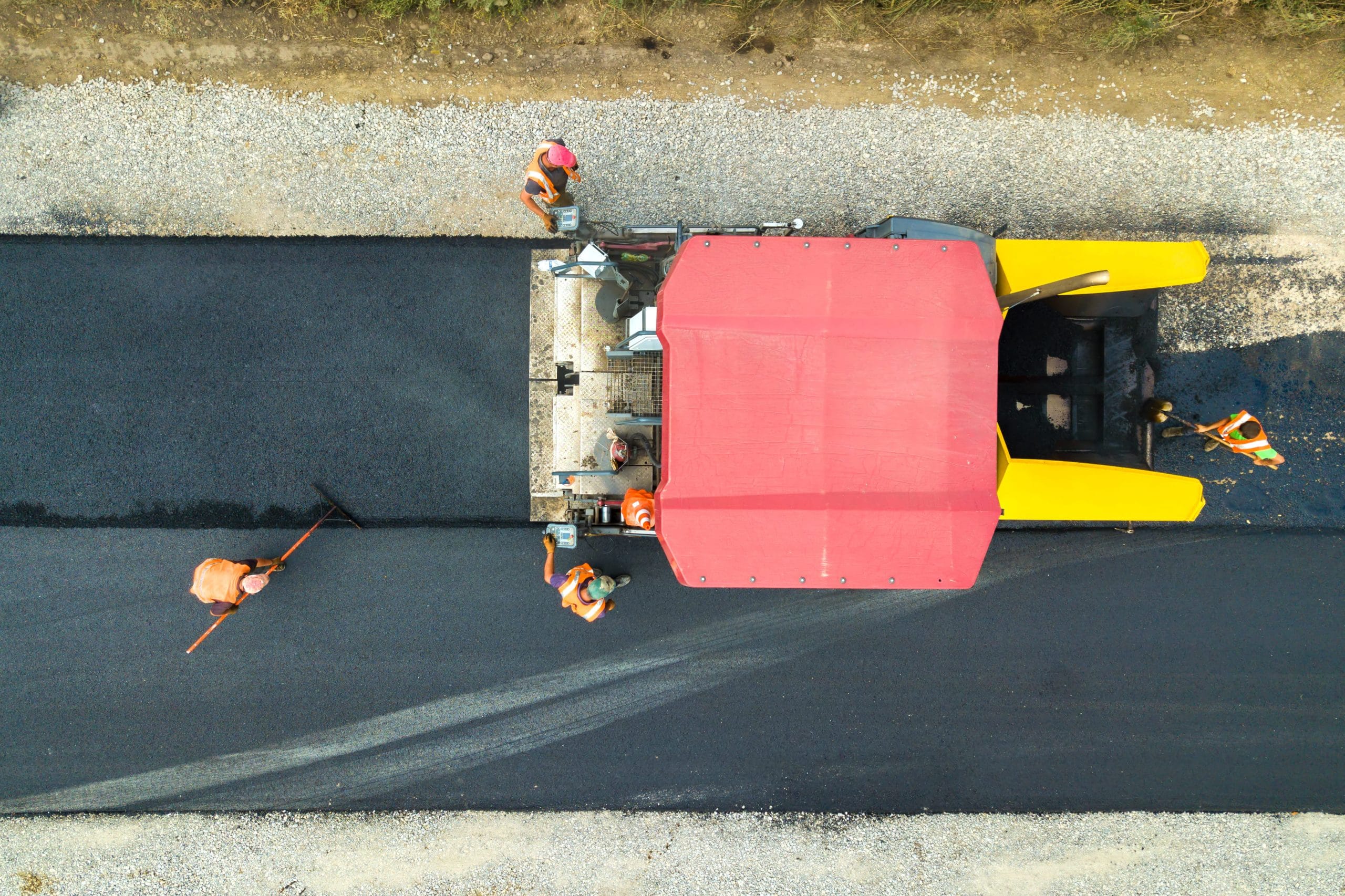
Adding biochar to asphalt mixtures improves its durability and resistance to cracking. This leads to longer-lasting roads while contributing to carbon capture and supporting effective CDR strategies. [5] 

Other Potential Applications 

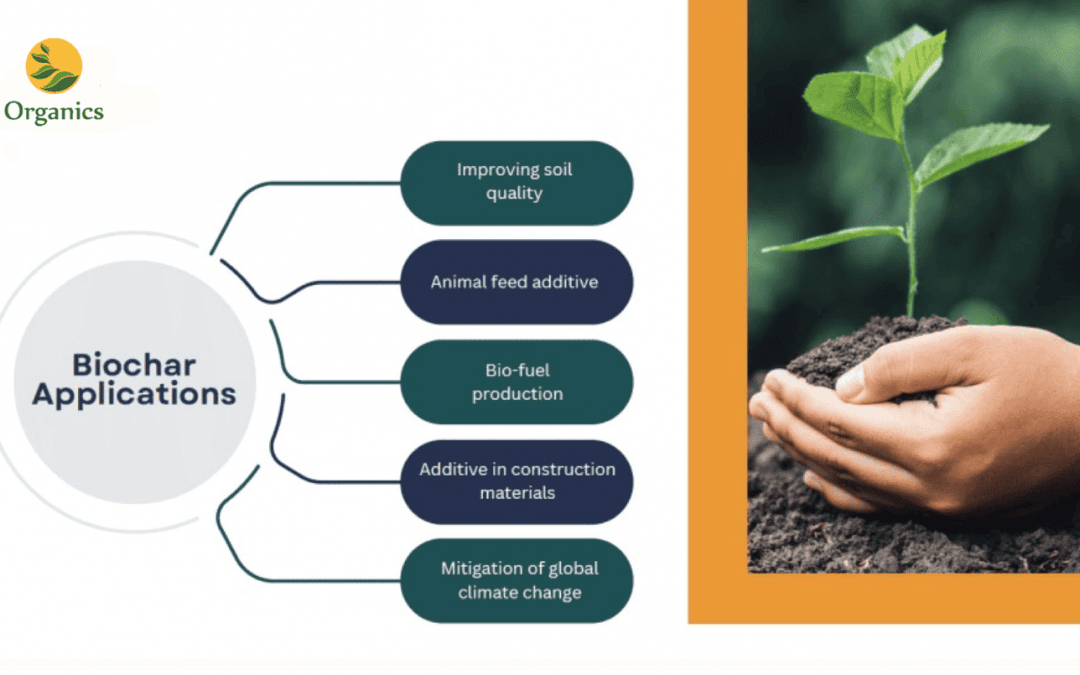
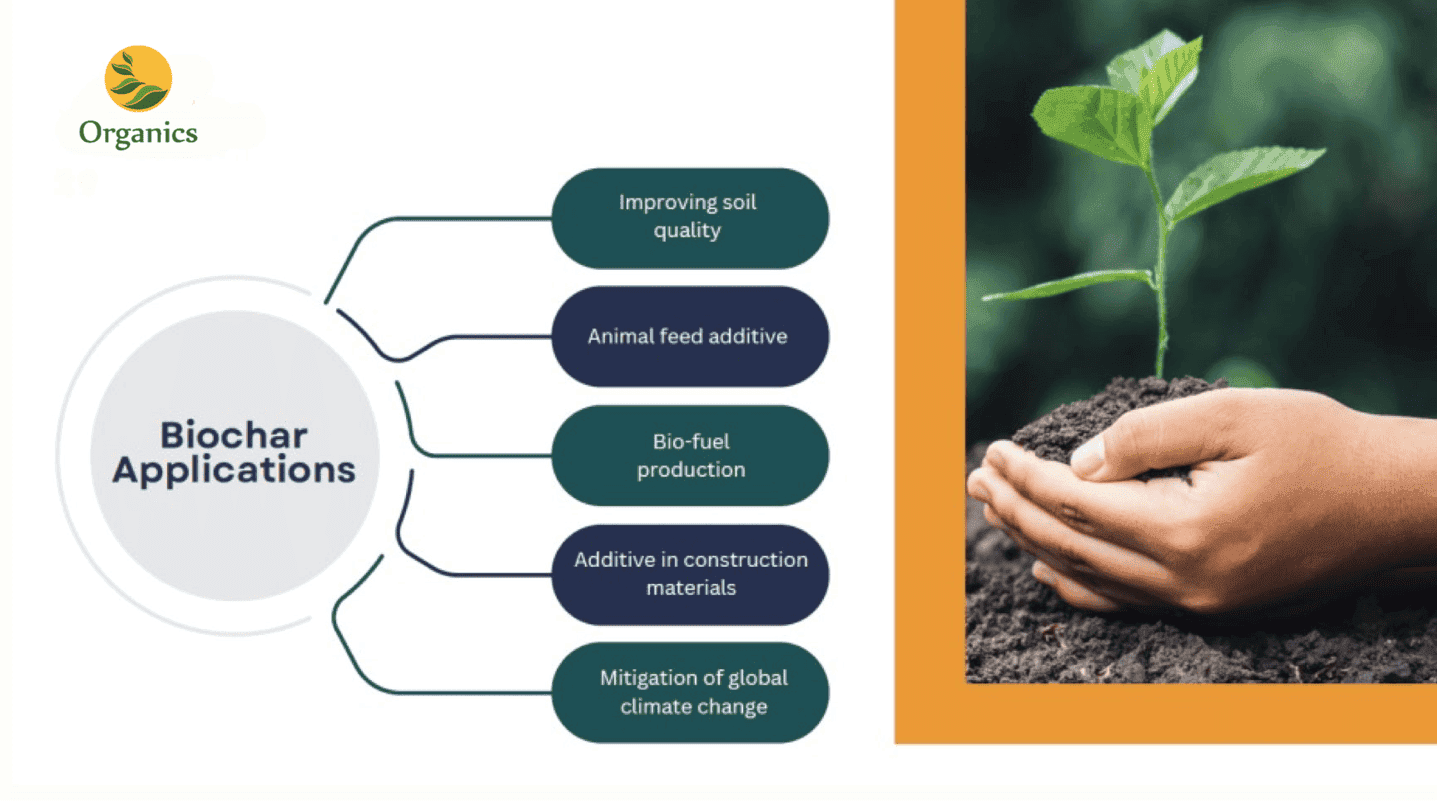
Biochar has a wide range of potential applications beyond construction and energy production:

Energy Source [6,8]

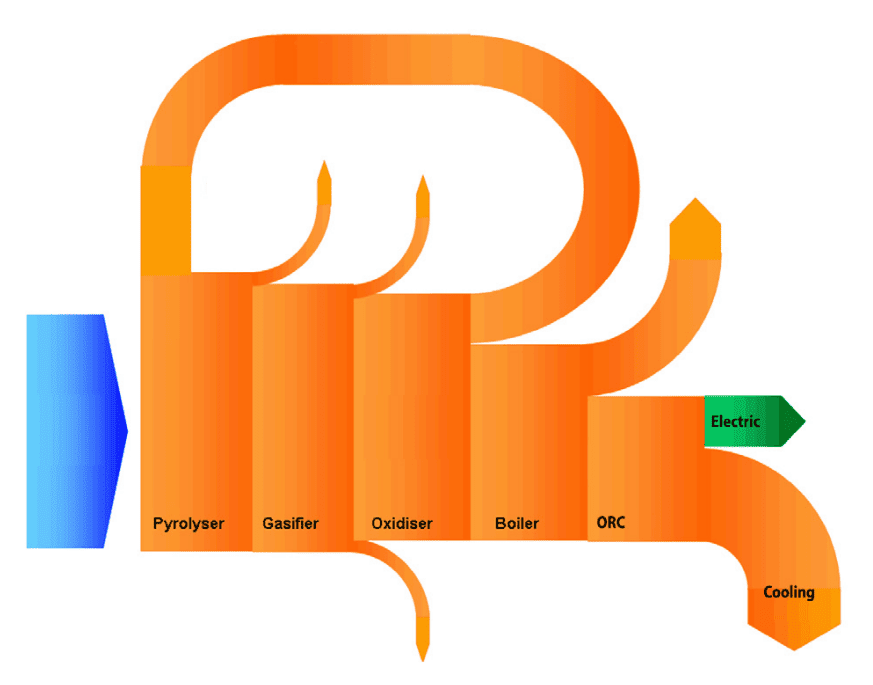
Pyrolysis process Sankey Diagram


  1. Syngas: Pyrolysis, the process of producing biochar, also generates syngas and bio-oil. These byproducts can be harnessed as renewable energy sources for electricity generation, heating, and chemical production. 
  2. Bio-oil: Bio-oil is a liquid product of pyrolysis that can be: 
    • Used as a biofuel: Directly burned or upgraded into transportation fuels like biodiesel. 
    • Refined into various bioproducts: Such as chemicals and other value-added products 
  3. Biochar as fuel: While biochar itself can be utilized as a fuel, its energy density may be lower compared to other biomass-derived fuels like bio-oil or biogas. 
  4. Heat as energy source : Pyrolysis requires heat input to initiate and sustain the process. The heat generated during the pyrolysis process, including exothermic reactions, can be recovered and utilized as an energy source. Integrating pyrolysis with an Organic Rankine Cycle (ORC) allows for the conversion of this recovered heat into electricity.

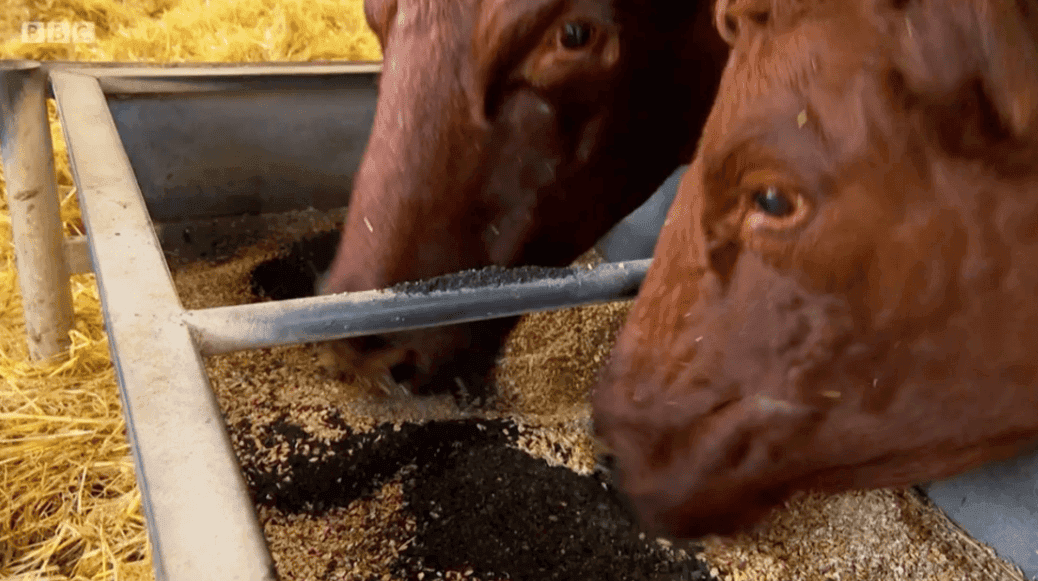
Animal Feed Additive [7] 

Biochar can be incorporated into animal feed as a supplement. Research suggests potential benefits such as: 

  1. Improved Nutrient Absorption: Biochar enhances gut microbiota, improving nutrient absorption and digestion, which, in turn, leads to a significant reduction in animal induced methane production. 
  2. Improved Feed Efficiency: Increased nutrient utilization leads to better feed efficiency and reduced costs. 
  3. Enhanced Animal Health: Biochar may improve gut health, reduce disease risk, and boost immune function. 
    Biochar as Animal Feed Additive

    Disclaimer: 

    Use of biochar in animal feed requires careful consideration and may be subject to regulations. Consult with animal nutrition experts for appropriate biochar types, dosages, and feeding protocols. 

    Conclusion 

    Biochar’s applications extend beyond agriculture. In construction, incorporating biochar into materials like concrete and asphalt enhances their properties while sequestering carbon. This significantly contributes to Carbon dDioxide rRemoval (CDR) and promotes a more sustainable and carbon-neutral future for the construction sector. 

    Contact Us

    For more information about biogas systems and how they can benefit your organization, contact our sustainable energy consulting team today. Embrace green innovation and transform your waste management strategy with the latest biogas solutions.

    Benefits of Biochar: A Multifaceted Approach to Carbon Dioxide Removal (CDR) Through Biomass Pyrolysis and Carbon Sequestration 

    Manfaat Biochar: Pendekatan Serbaguna untuk Carbon Dioxide Removal (CDR) Melalui Pirolisis Biomassa dan Penyerapan Karbon

    Post Terbaru

    Perusahaan Biogas di Indonesia – PT Organics Bali

    Post TerbaruPerusahaan biogas di Indonesia menjadi sangat krusial dalam proses pengolahan limbah organik & menyediakan energi terbarukan sebagai alternatif energi bersih untuk lingkungan. Peran perusahaan Biogas juga sebagai pilar untuk mencapai tujuan global...

    Bio Digester solusi Renewable Energy & Efisiensi

    Bio Digester adalah teknologi ramah lingkungan yang mengubah limbah organik menjadi energi biogas dan pupuk organik berkualitas. Solusi ini membantu mengurangi pencemaran, menyediakan energi terbarukan, sekaligus memberi nilai tambah dari sisa limbah yang biasanya...

    Peranan Biochar dalam Mitigasi Perubahan Iklim

    Biochar memainkan peran penting dalam pengelolaan lingkungan dengan membantu Carbon Dioxide Removal (CDR) dan mengurangi emisi gas rumah kaca. Melalui fotosintesis, tanaman menyerap karbon dioksida (CO2), menyimpan karbon di dalam strukturnya sambil melepaskan oksigen ke atmosfer. Namun, ketika tanaman mati atau ditebang, karbon yang tersimpan ini biasanya kembali ke atmosfer sebagai CO2. Meskipun bukan CO2 fosil, ia tetap berkontribusi terhadap pemanasan global.

    Biochar menawarkan solusi melalui dua mekanisme utama:

    Penyerapan Karbon (Carbon Sequestration)

    Selama pirolisis, bahan organik dipanaskan tanpa oksigen, mengubahnya menjadi biochar dan melepaskan gas yang mudah menguap. Proses ini secara efektif memperbaiki karbon yang seharusnya dilepaskan sebagai karbon dioksida (CO2) ke atmosfer, dalam bentuk arang. [1]

    Penyimpanan Karbon Jangka Panjang

    Setelah diaplikasikan ke tanah, biochar berfungsi sebagai penyerap karbon jangka panjang karena ketahanannya terhadap dekomposisi. Metode pengolahan bahan organik ini dapat menyerap karbon selama puluhan tahun atau bahkan berabad-abad, mencegah masuknya kembali karbon ke atmosfer melalui proses pembusukan alami, sehingga memfasilitasi pembuangan karbon dioksida (CDR).

    Dampak perubahan iklim (https://www.noaa.gov/)

    Selain itu, biochar membantu mengurangi emisi Gas Rumah Kaca dan Pengelolaan Limbah:

    Pengurangan Gas Rumah Kaca

    Selain penyerapan karbon, biochar membantu mengurangi emisi nitrogen oksida (N2O), gas rumah kaca kuat lainnya. Dengan meningkatkan retensi nutrisi tanah dan menciptakan lingkungan yang stabil untuk mikroorganisme yang bermanfaat, biochar meminimalkan produksi dan pelepasan N2O. [1]

    Pengelolaan Limbah

    Produksi biochar secara efektif memanfaatkan limbah organik, seperti residu pertanian dan limbah kehutanan, mengalihkannya dari tempat pembuangan sampah dan mempromosikan ekonomi sirkular. (PLC, 2024)

    Penerapan Biochar dalam Pertanian

    Penerapan biochar dalam agrikultur

    Biochar meningkatkan produktivitas pertanian dengan meningkatkan kesehatan tanah, meningkatkan retensi air, mendorong siklus nutrisi, dan mendorong aktivitas mikroba. Hal ini tidak hanya mendukung tanah yang lebih sehat dan lebih produktif, tetapi juga berkontribusi pada penghapusan karbon dioksida (CDR) melalui penyerapan karbon di dalam tanah.

    Peningkatan Kesuburan Tanah

    Biochar meningkatkan retensi air tanah, siklus nutrisi, dan keanekaragaman mikroba, yang menghasilkan tanah yang lebih produktif. Strukturnya yang berpori juga menciptakan habitat bagi mikroba bermanfaat yang membantu pertumbuhan tanaman dan menekan patogen berbahaya. [1]

    Retensi Nutrisi

    Dengan kapasitas tukar kation (CEC) yang tinggi, biochar mempertahankan nutrisi penting seperti kalium, fosfor, dan kalsium. Dengan mencegah limpasan dan pencucian nutrisi, ia memastikan tanaman menerima pasokan nutrisi yang stabil dari waktu ke waktu. [2]

    Pengaturan pH

    Biochar memengaruhi pH tanah tergantung pada sumbernya. Biochar dapat bersifat netral, sedikit basa, atau asam, membantu mengatur pH tanah dan mengoptimalkan kondisi untuk pertumbuhan tanaman dan penyerapan nutrisi. [3]

    Pengelolaan Hama dan Penyakit

    Dengan meningkatkan keragaman mikroba di dalam tanah, biochar secara tidak langsung membantu mengendalikan penyakit dan hama. Mikroba yang bermanfaat tumbuh subur di tanah yang telah diberi biochar, sehingga menekan patogen yang berbahaya, sementara struktur biochar yang berpori dapat bertindak sebagai penghalang terhadap beberapa hama. [4]

    Konservasi Air

    Biochar mempertahankan kelembapan dan nutrisi, membantu mengatasi kekeringan dan meningkatkan ketahanan pangan. Hal ini membuatnya sangat bermanfaat di daerah rawan kekeringan atau tanah berpasir dengan retensi air yang buruk. [1]

    Penerapan Biochar dalam Industri Konstruksi

    Penerapan biochar dalam industri konstruksi

    Biochar, produk sampingan pirolisis yang berkelanjutan, semakin banyak digunakan dalam konstruksi. Memasukkan biochar ke dalam material seperti beton, semen, dan aspal meningkatkan sifat-sifatnya dan meningkatkan penyerapan karbon, mengurangi jejak karbon industri dan berkontribusi pada Penghapusan Karbon Dioksida (CDR) yang signifikan.

    Campuran Beton

    Mengganti sebagian semen dengan biochar meningkatkan sifat-sifat beton seperti kepadatan dan isolasi termal. Penelitian telah menunjukkan bahwa biochar juga dapat meningkatkan kekuatan dan ketahanan jangka panjang. Penggunaannya dalam beton mengurangi jejak karbon produksi sekaligus menyerap karbon dalam material. [5]

    Campuran Semen

    Produksi semen memiliki emisi karbon yang tinggi. Penggunaan biochar sebagai campuran semen memungkinkan alternatif semen rendah karbon atau bahkan netral karbon, secara signifikan mengurangi dampak lingkungan dan mendorong penyerapan karbon. [5]

    Campuran Aspal

    Menambahkan biochar ke campuran aspal meningkatkan daya tahan dan ketahanannya terhadap retak. Hal ini menghasilkan jalan yang lebih tahan lama sekaligus berkontribusi pada penangkapan karbon dan mendukung strategi CDR yang efektif. [5]

    Aplikasi Potensial Lainnya

    Biochar memiliki berbagai macam aplikasi potensial di luar konstruksi dan produksi energi

    Sumber Energi [6,8]

    Proses pirolisis sankey diagram
    1. Syngas: Pirolisis, proses produksi biochar, juga menghasilkan syngas dan bio-oil. Produk sampingan ini dapat dimanfaatkan sebagai sumber energi terbarukan untuk pembangkitan listrik, pemanasan, dan produksi kimia.
    2. Bio-oil: Bio-oil adalah produk cair dari pirolisis yang dapat:
      • Digunakan sebagai biofuel: Dibakar langsung atau ditingkatkan menjadi bahan bakar transportasi seperti biodiesel.
      • Dimurnikan menjadi berbagai bioproduk: Seperti bahan kimia dan produk bernilai tambah lainnya
    3. Biochar sebagai bahan bakar: Meskipun biochar sendiri dapat digunakan sebagai bahan bakar, kepadatan energinya mungkin lebih rendah dibandingkan dengan bahan bakar turunan biomassa lainnya seperti bio-oil atau biogas.
    4. Panas sebagai sumber energi: Pirolisis memerlukan masukan panas untuk memulai dan mempertahankan proses. Panas yang dihasilkan selama proses pirolisis, termasuk reaksi eksotermik, dapat dipulihkan dan digunakan sebagai sumber energi. Mengintegrasikan pirolisis dengan Organic Rankine Cycle (ORC) memungkinkan konversi panas yang diperoleh kembali menjadi listrik.

    Campuran Pakan Ternak [7]

    Biochar dapat dimasukkan ke dalam pakan ternak sebagai suplemen. Penelitian menunjukkan manfaat potensial seperti:

      1. Peningkatan Penyerapan Nutrisi: Biochar meningkatkan mikrobiota usus, meningkatkan penyerapan dan pencernaan nutrisi, yang pada gilirannya, mengarah pada pengurangan signifikan dalam produksi metana yang disebabkan oleh hewan.
      2. Peningkatan Efisiensi Pakan: Peningkatan pemanfaatan nutrisi mengarah pada efisiensi pakan yang lebih baik dan pengurangan biaya.
      3. Peningkatan Kesehatan Hewan: Biochar dapat meningkatkan kesehatan usus, mengurangi risiko penyakit, dan meningkatkan fungsi kekebalan tubuh.
    Penambahan biochar dalam pakan ternak

    Disclaimer:

    Penggunaan biochar dalam pakan ternak memerlukan pertimbangan yang cermat dan mungkin tunduk pada peraturan. Konsultasikan dengan ahli nutrisi hewan untuk jenis, dosis, dan protokol pemberian biochar yang tepat.

    Kesimpulan

    Aplikasi biochar melampaui pertanian. Dalam konstruksi, menggabungkan biochar ke dalam material seperti beton dan aspal meningkatkan sifatnya sekaligus menyerap karbon. Hal ini berkontribusi signifikan terhadap Penghapusan Karbon Dioksida (CDR) dan mendorong masa depan yang lebih berkelanjutan dan netral karbon untuk sektor konstruksi.

    Hubungi kami

    Untuk informasi lebih lanjut tentang sistem biogas dan manfaatnya bagi organisasi Anda, hubungi tim konsultasi energi berkelanjutan kami hari ini. Sambut inovasi hijau dan transformasikan strategi pengelolaan limbah Anda dengan solusi biogas terbaru.

    Monetising Waste Residues: Biochar Production in the Palm Oil Sector

    Monetising Waste Residues: Biochar Production in the Palm Oil Sector

    Indonesia, as a leading global producer of palm oil, faces significant challenges stemming from the waste generated by its palm oil industry. Each year, vast amounts of agricultural residues such as empty fruit bunches, palm kernel shells, fibres, and fronds are produced. These residues are traditionally disposed of through burning, which contributes to severe air pollution, or left to decay, releasing significant amounts of greenhouse gases like methane and carbon dioxide. Addressing these disposal methods, an innovative and sustainable approach involves converting these residues into biochar via pyrolysis. This process not only effectively manages agricultural waste but also opens avenues for generating carbon dioxide removal credits, thus providing economic benefits alongside environmental conservation.

    This blog is derived from : SAWIT INDONESIA VOL.XIII EDISI 158 – 15 December 2024 / 15 January 2025. Written by Organics. Any reproduction or distribution of content without permission is prohibited.

    Download the original article from SAWIT Indonesia :

    [wpforms id="34863"]

    Recent Post

    POME Waste to Biogas – PT EVANS

    Digester Biogas dari Palm Oil Mill Effluent (pome)PT EVANSEast KalimantanThe project was for the design, installation, and commissioning of a Closed Lagoon Bio-Reactor (CLBR) for the treatment of palm oil mill effluent (POME). The objective of the project was to meet...

    Understanding Biochar and Pyrolysis

    Biochar is a carbon-dense material produced by pyrolysing organic matter, including the biomass waste from palm oil production, under high heat in an oxygen-deprived environment. A typical pyrolyser is shown in Figure 1. This process yields several products:

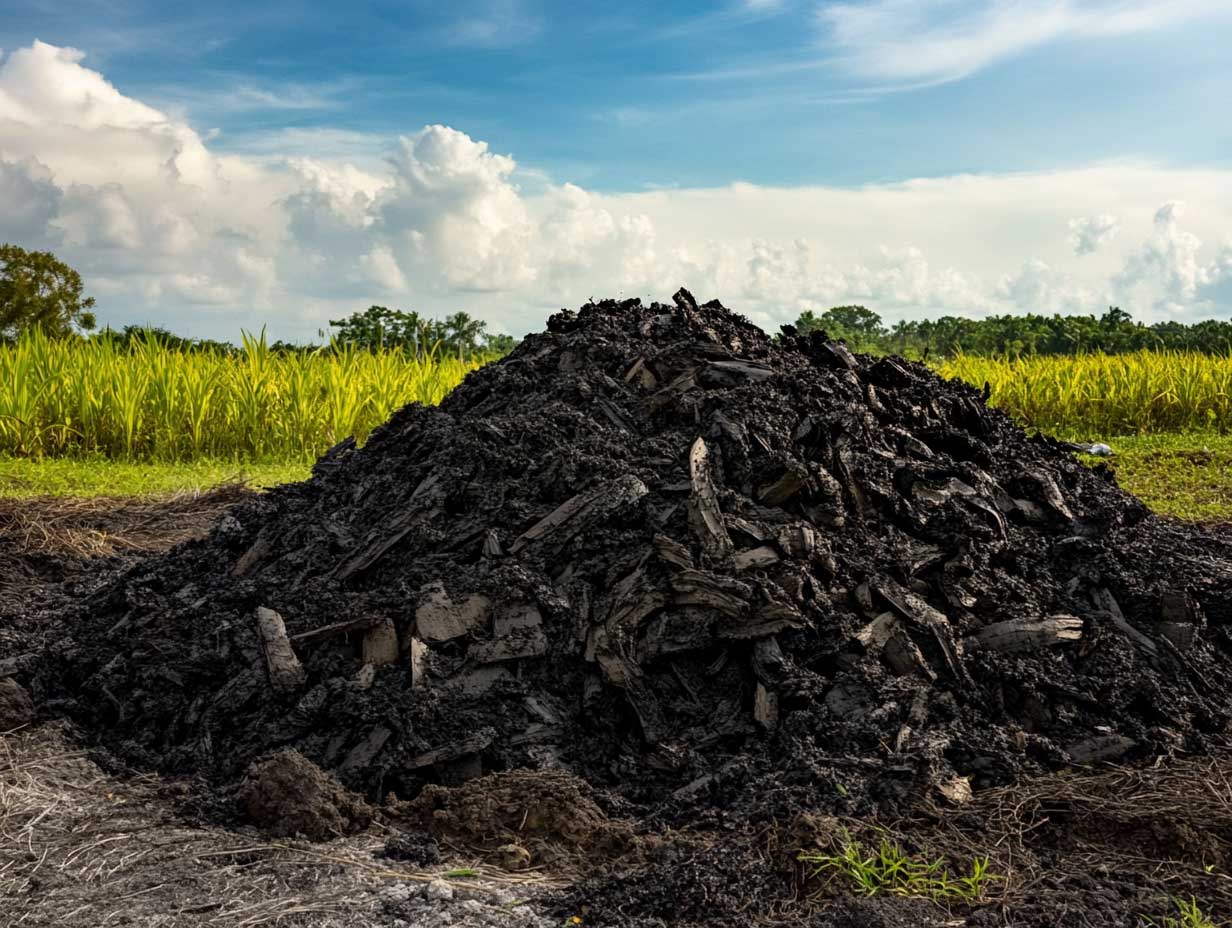
    • Biochar: A solid, carbon-rich material that enhances soil fertility and sequesters carbon over long periods, thus contributing to climate change mitigation.
    • Pyrolytic Liquids: These can be refined into biofuels or various chemicals, offering further industrial uses.
    • Syngas (Synthesis Gas): A mixture of hydrogen, carbon monoxide, methane and sometimes small amounts of carbon dioxide, which can be used for power generation or as industrial feedstock.

    The transformation of palm oil residues into biochar not only helps in waste reduction but also in carbon emissions reduction, providing a sustainable solution to environmental degradation.

    Figure 1 Organics Pyroclast® pyrolyser

    Palm Oil Sector Waste in Indonesia

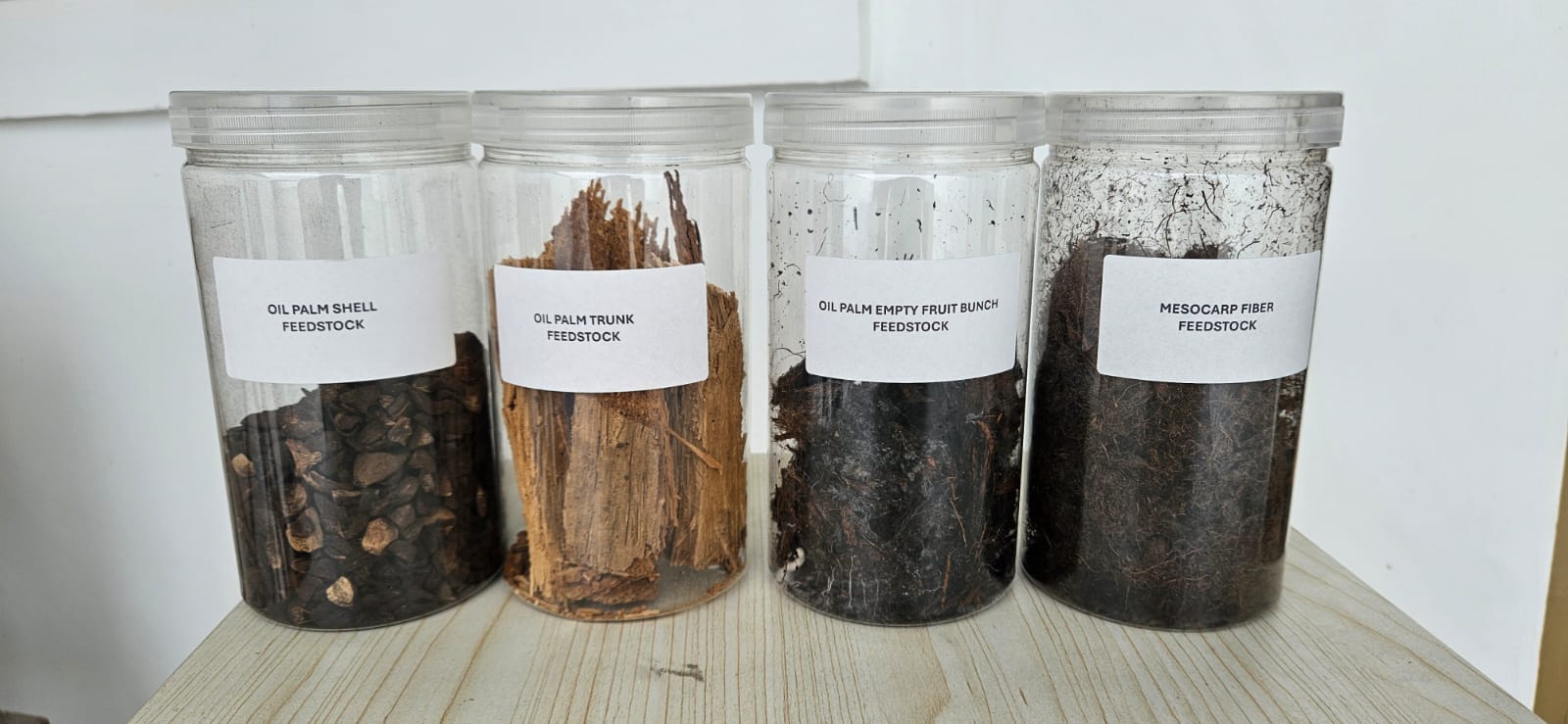
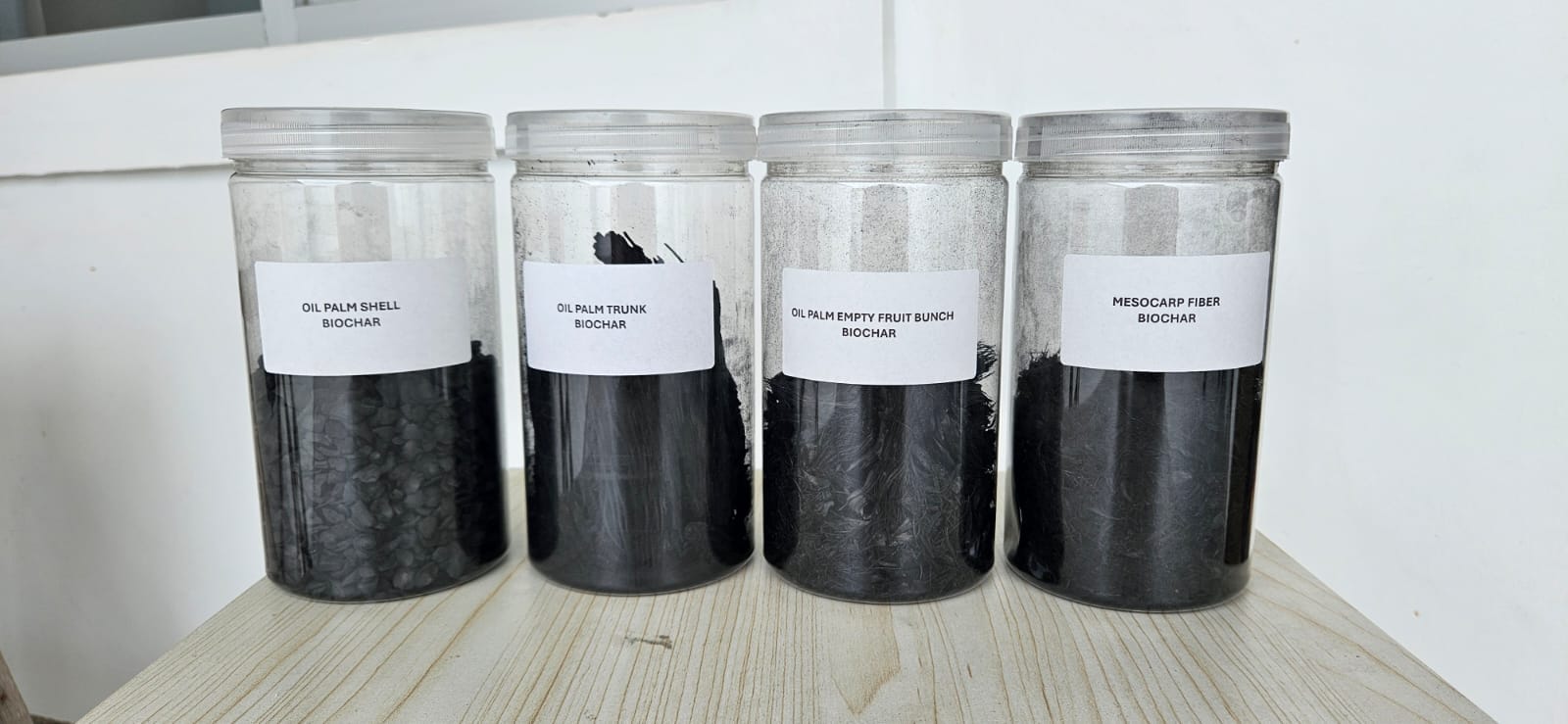
    Figure 2 Palm sector wastes proven to make biochar in Research & Development trials

    Indonesia’s palm oil industry produces over 70 million tons of biomass waste annually. This waste includes:

    • Empty Fruit Bunches: Bulky and challenging to manage due to their high moisture content.
    • Palm Kernel Shells: These shells have a high calorific value and are dense, making them suitable for energy production.
    • Palm Fronds: Typically left in fields to decompose, contributing to methane emissions.
    • Fibre: Extracted during the oil milling process and often underutilised.

      Traditionally, some of these materials are either incinerated or left to decompose. However, through pyrolysis, these residues can be converted into biochar, diverting them from environmentally harmful disposal methods and instead contributing to carbon sequestration efforts.

      The Role of Biochar in Carbon Dioxide Removal (CDR)

      Biochar serves as an effective medium for long-term carbon storage. The process of converting organic waste into biochar traps the carbon that would otherwise be released back into the atmosphere, effectively removing it from the carbon cycle for centuries. This stable form of carbon storage is crucial in the fight against climate change, making biochar a valuable tool for carbon dioxide removal.

      Generating CDR Credits

      To generate CDR credits, biochar producers must adhere to specific standards, such as those of PuroEarth or Carbon Standards International, which ensure that carbon removal activities are genuine, additional, and permanent. Under these standards, the process of biochar production and its subsequent use in agriculture must be accurately measured, monitored, and verified

      The process of generating CDR credits from biochar involves several key steps:

      1. Business planning: Establish a comprehensive business model that includes production capacity, financial modelling, CAPEX, OPEX, risk management, and market analysis for biochar.

      2. Assessment and monitoring: Perform a detailed assessment of the carbon content potential of the biomass and the expected carbon sequestration capability of the produced biochar.

      3. Install biochar production facilities: Secure funding through various means such as balance sheet investments, private equity, grants, or pre-sales of CDR credits. Construct and commission the facility.

      4. Carbon sequestration measurement and verification: Measure and verify the carbon sequestered in the biochar using third-party verifiers to ensure the accuracy and permanence of the carbon capture.

      5. Issuance of credits: Following successful verification, CDR credits are issued, which can then be sold on carbon markets or used to offset emissions from other sources.

      6. Ongoing monitoring: Continuous monitoring is essential to maintain the integrity of the CDR credits, involving regular audits and reporting.

        Benefits of Biochar Production for Palm Oil Producers and Indonesia’s Economy

        The production of biochar from palm oil waste presents several benefits:

        • Environmental impact: It significantly reduces greenhouse gas emissions by preventing the burning and decay of biomass.
        • Economic opportunities: Biochar production opens new revenue streams through the sale of CDR credits, providing a financial incentive for adopting sustainable practices.
        • Agricultural advantages: Biochar improves soil fertility, water retention, and nutrient cycling, reducing the need for synthetic fertilisers and enhancing crop yields.
        • Waste management solutions: Provides a sustainable method for handling the vast quantities of waste generated by the palm oil industry.

          Challenges and Considerations

          Despite the advantages, several challenges may hinder the widespread adoption of biochar production:

          • Initial investments: The setup cost for pyrolysis plants and necessary infrastructure can be substantial.
          • Market dynamics: The emerging market for CDR credits is still volatile, with fluctuating prices and uncertain demand.
          • Regulatory support: A supportive regulatory framework is crucial for encouraging investment in biochar production and ensuring the stability of the CDR credit market.

          Conclusion

          Biochar production from palm oil waste in Indonesia not only offers a viable solution to manage agricultural waste but also aids in achieving national and global environmental goals. By harnessing the potential of pyrolysis to turn waste into a resource, Indonesia can reduce its carbon footprint, enhance soil health, and create economic opportunities within the palm oil sector. The success of this initiative, however, will depend on continued investment in technology, development of supportive policies, and stabilisation of the biochar market, all of which are essential for realising the full potential of biochar as a tool for sustainable development.

          Contact Us

          For more information about biogas systems and how they can benefit your organization, contact our sustainable energy consulting team today. Embrace green innovation and transform your waste management strategy with the latest biogas solutions.