How Biogas Transform Initial Investment to Long-Term Savings

How Biogas Transform Initial Investment to Long-Term Savings

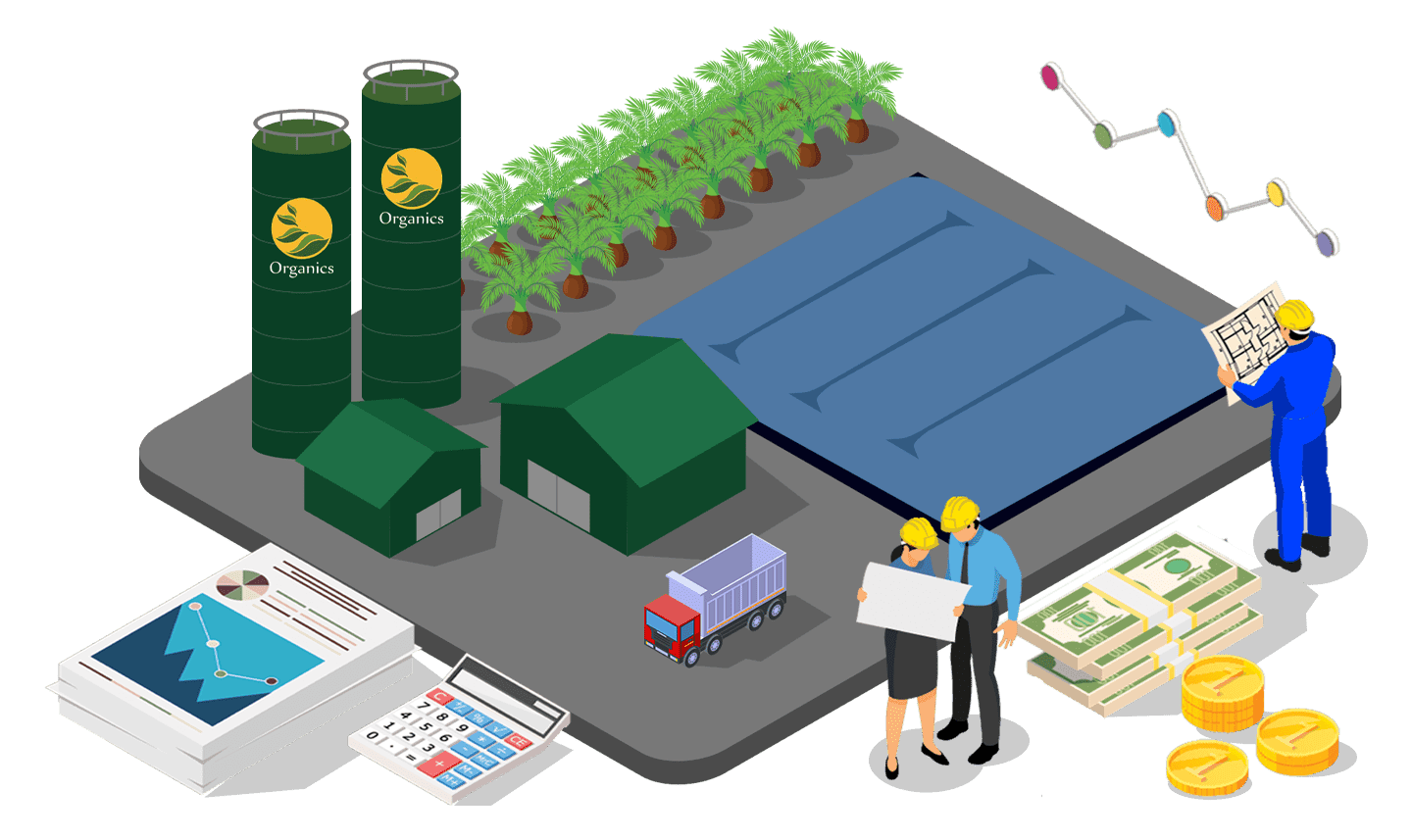
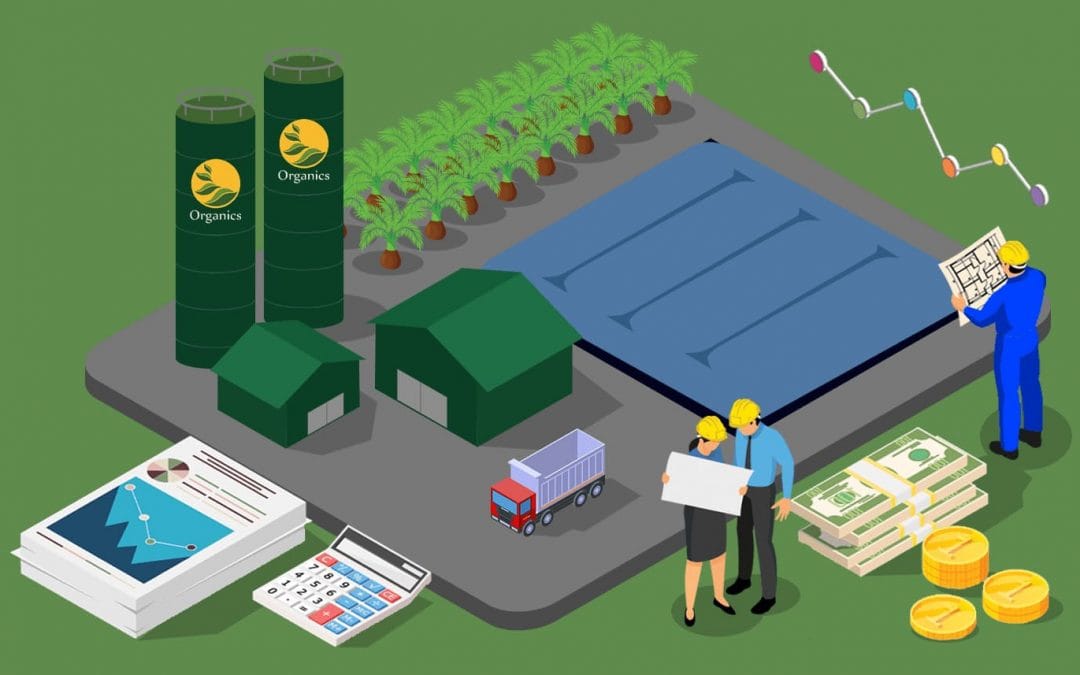
Isometric illustration of Anaerobic Digester in Organics Bali

Written by Angelina Desandra

Recent Post

Unlocking the Potential of Biochar for Indonesia’s Carbon Credits

Recent PostAs awareness of climate change increases, the Indonesian government encourages various industrial sectors to reduce carbon emissions. The government implements regulations and initiatives aimed at reducing greenhouse gas emissions. One solution gaining...
View more….

Investing in biogas systems offers significant long-term economic benefits. This article explores the economic impact and return on investment (ROI) of biogas technology, highlighting its role in promoting green energy solutions, sustainable energy, and renewable energy projects. By focusing on biogas production, biomass energy, and waste-to-energy technologies, we will examine how biogas systems can transform initial investments into substantial savings.

The Economic Impact of Biogas Systems
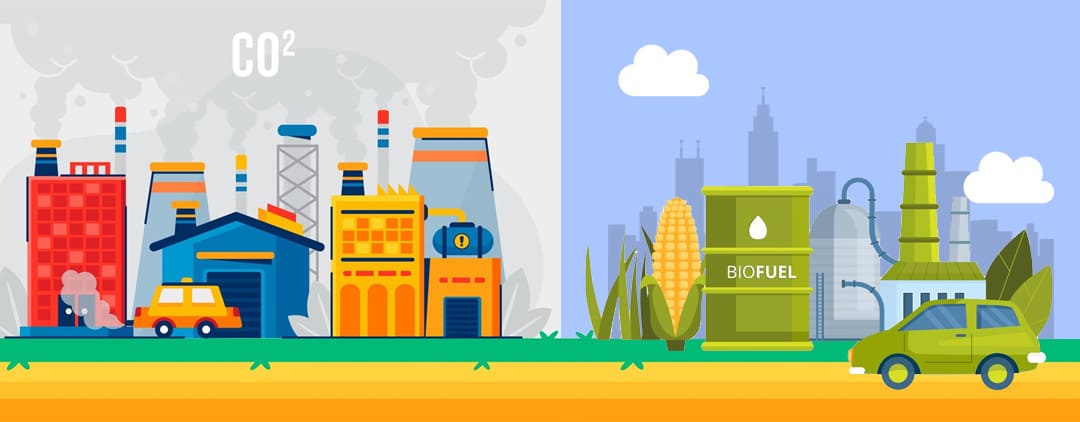
non-renewable vs renewable energy

Green Energy Solutions and Sustainable Energy

Biogas technology is a cornerstone of green energy solutions and sustainable energy. By converting organic waste into biogas, these systems provide a renewable energy source that reduces reliance on fossil fuels. Transitioning to biogas and biomass power plants supports the development of a sustainable energy infrastructure, leading to long-term economic benefits.

Renewable Energy Solutions and Environmental Technologies

Biogas production involves anaerobic digestion, a process where microorganisms break down organic matter in the absence of oxygen, producing methane and carbon dioxide. This methane can be used as a clean energy source, reducing the need for non-renewable energy. Investing in biogas technology aligns with renewable energy solutions and environmental technologies, providing eco-friendly solutions for energy needs. 

Organics Group – Anaerobic Digester

Organics offers a number of anaerobic digestion systems suitable for varying feedstocks and specific operating conditions.

We offers a comprehensive end-to-end service for the design and implementation of anaerobic systems for use on a variety of wastewater from industrial processes.

More About Organics Anaerobic Digester

ROI of Investing in Biogas Systems

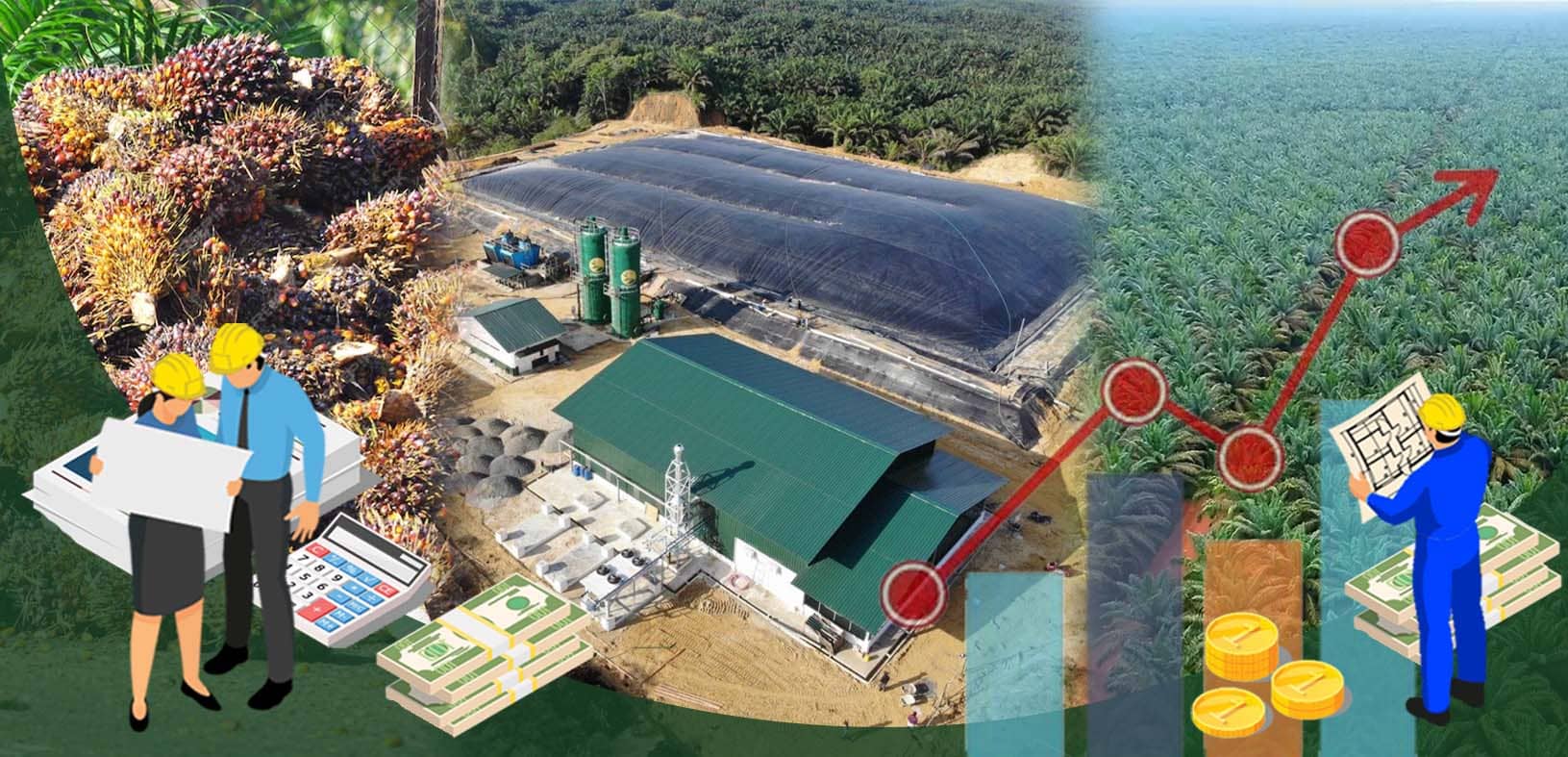
financial analysis of Biogas

Initial Investment and Operational Costs

The initial investment in biogas systems can be substantial, covering the cost of biogas plants, biomass conversion equipment, and necessary infrastructure. However, these costs are offset by long-term savings on energy expenditures. Biogas technology also qualifies for various subsidies and incentives, further enhancing the ROI.

Long-Term Savings and Revenue Generation

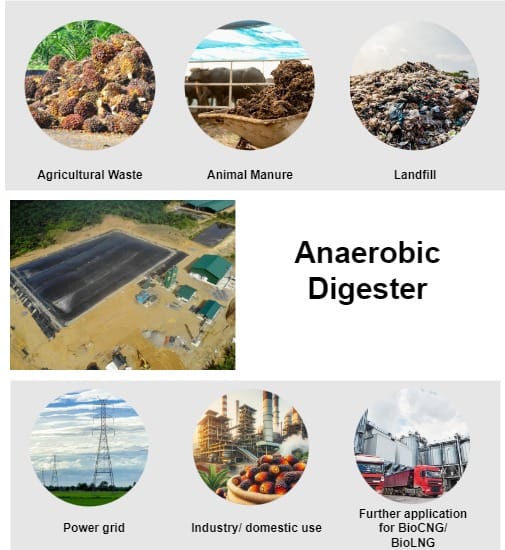
Biogas systems generate revenue through the sale of biogas and byproducts. For instance, biogas can be converted into electricity and sold to the grid, or processed into biofuel for transportation. Moreover, the digestate, a byproduct of anaerobic digestion, can be used as a high-quality fertilizer, reducing agricultural costs.


Case Study: Biogas Technology in the Palm Oil Industry
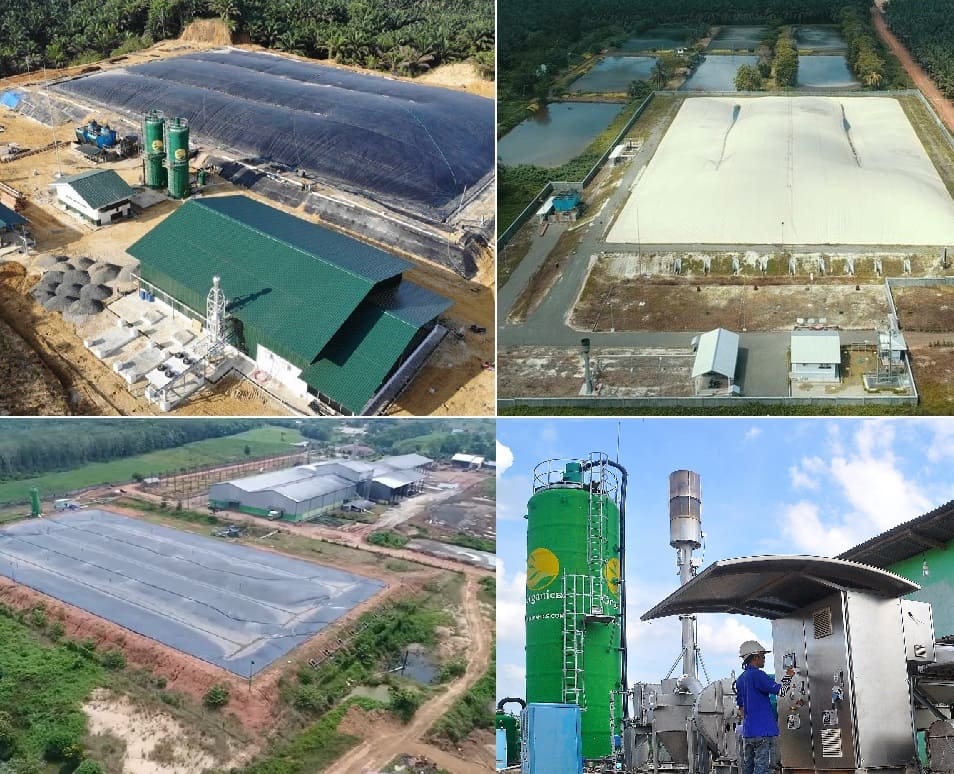
Organics Bali biogas project Indonesia

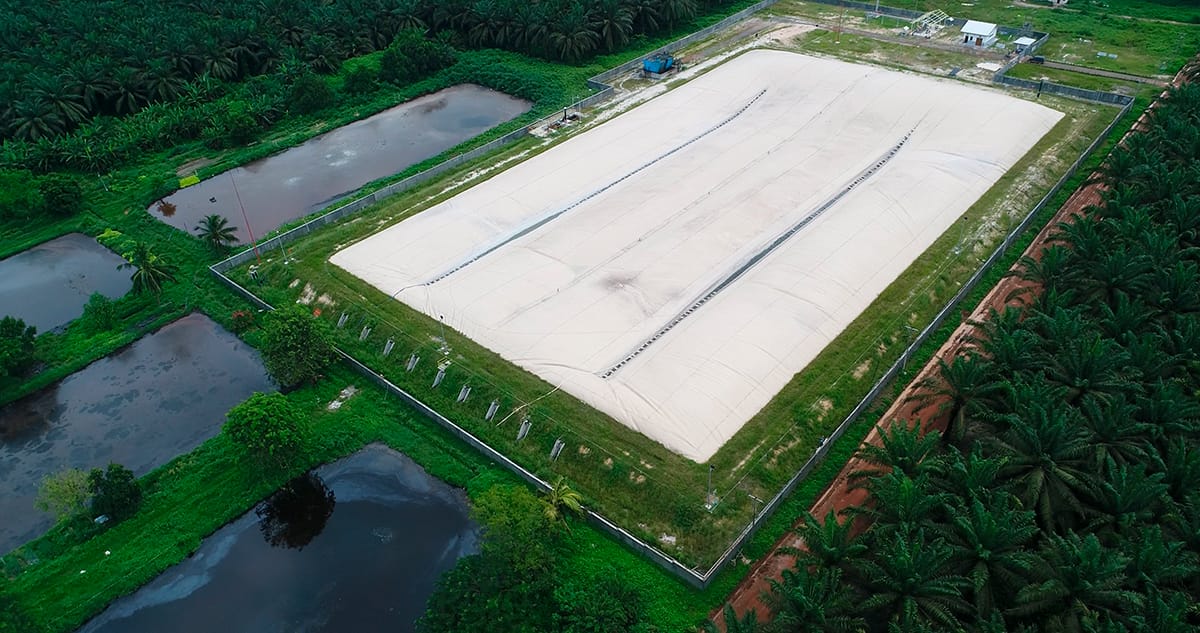
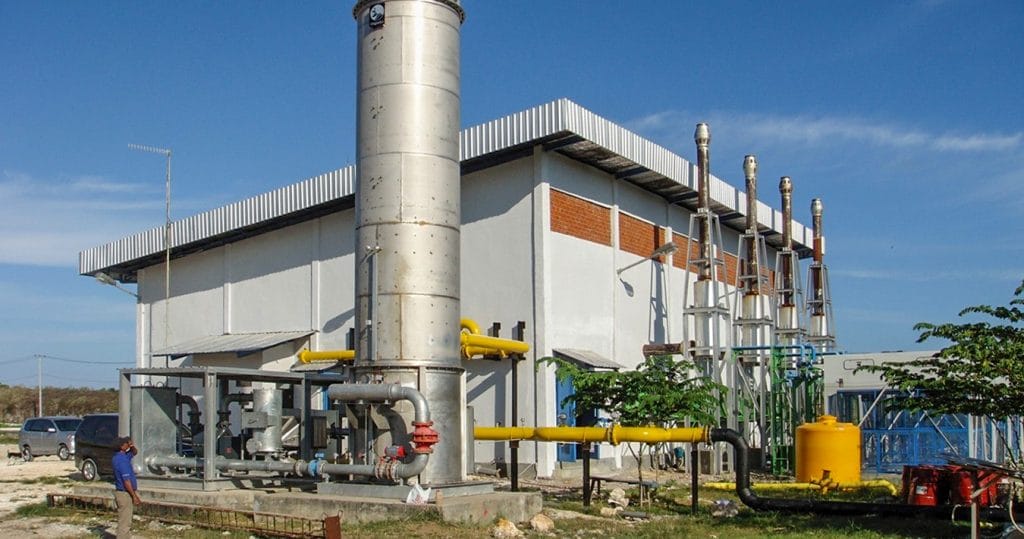
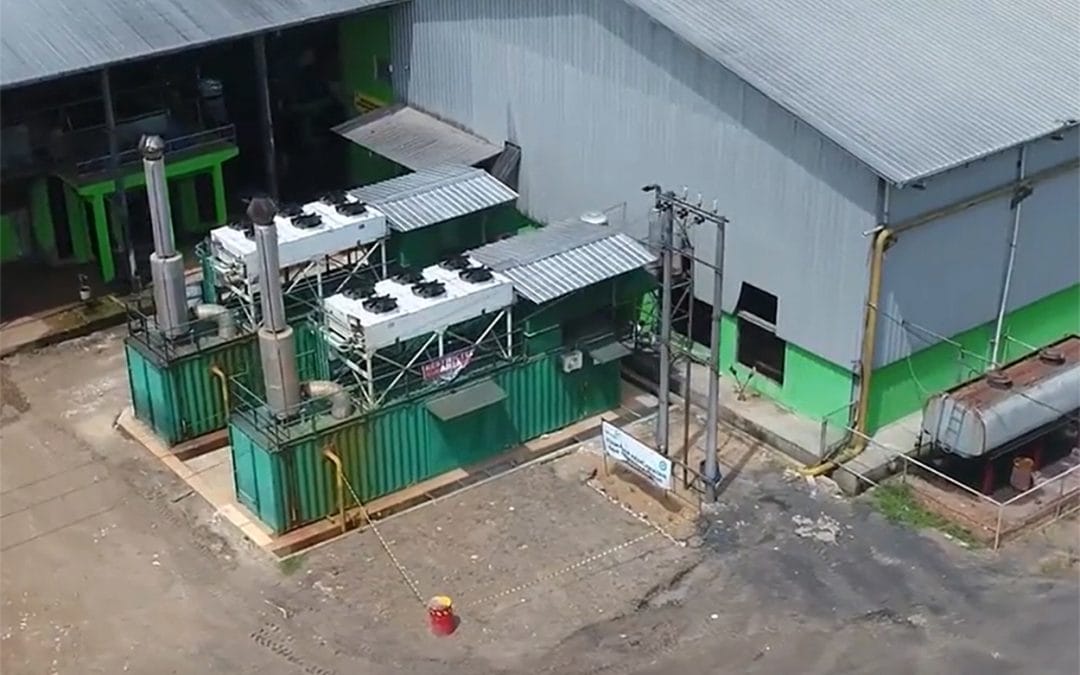
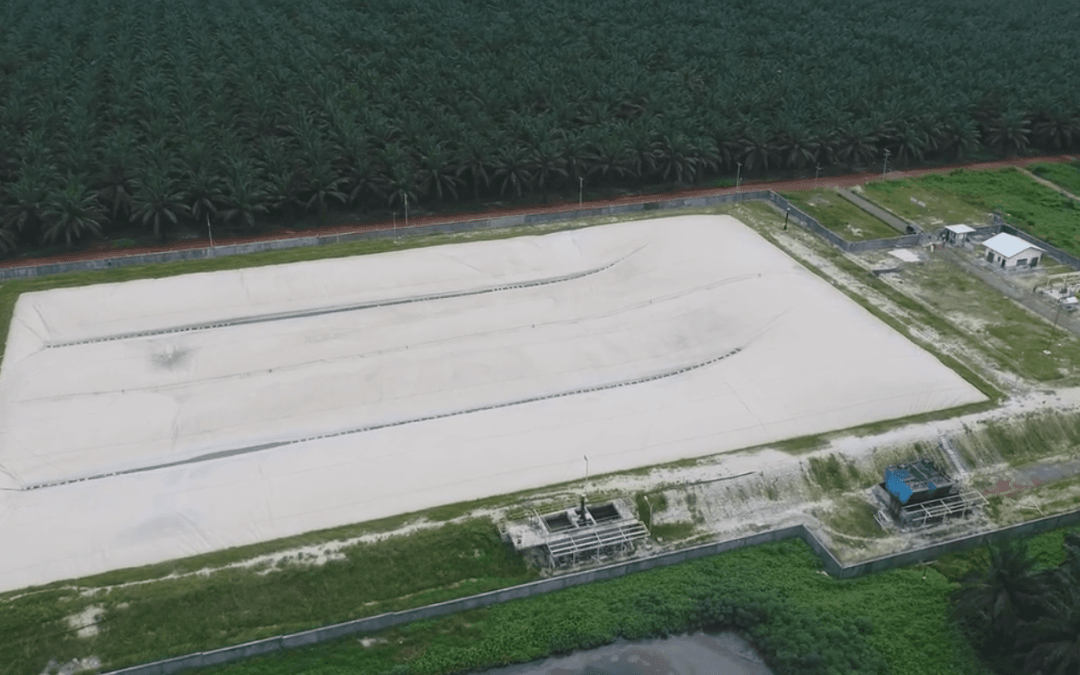
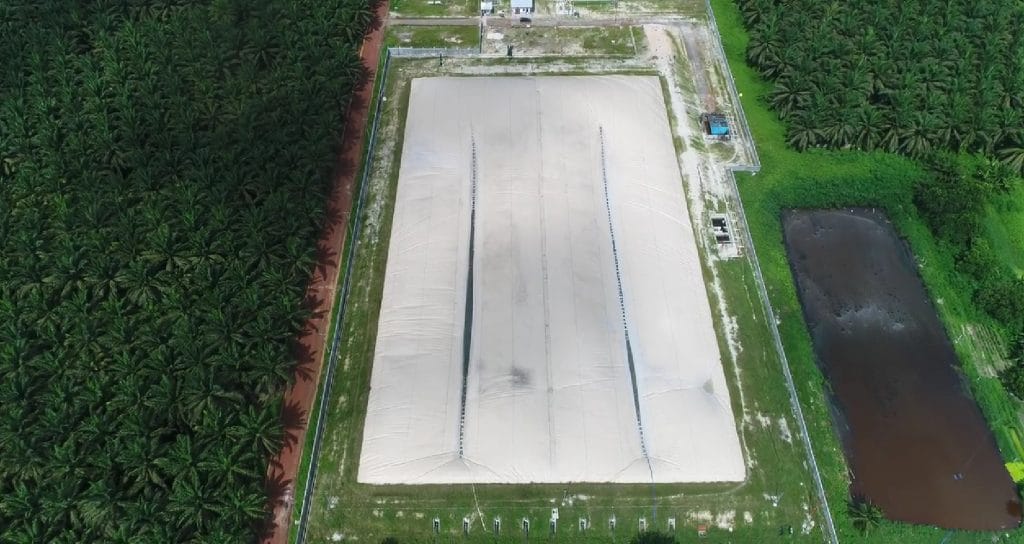
In Indonesia, the palm oil industry has adopted biogas technology to treat palm oil mill effluent (POME), which has been applied to some of Organics Clients. One of our clients in Central Kalimantan, which is one of the biggest Palm Oil Industry in Indonesia, have invested in biogas plants with 80 tph capacity. Now they have converted POME into biogas, and generated equivalent of 4 MWe; enough bioenergy to power the entire operation leaving an excess to export. In this case, they are using the electricity to generate the boiler. This not only reduces waste management costs but also provides a renewable energy source, improving the industry’s overall sustainability and profitability

Additionally, the digestate, a byproduct of AD, can be used as a nutrient-rich fertilizer, closing the loop in organic waste recycling and supporting agricultural sustainability. This helps reduce the reliance on chemical fertilizers, which have their own environmental and economic costs.

Economic Benefits of Biogas Technology

green economy

Reduction in Greenhouse Gas Emissions and Carbon Footprint

Biogas technology significantly reduces greenhouse gas emissions by capturing methane that would otherwise be released into the atmosphere from decomposing organic waste. This reduction in carbon footprint is a key benefit, aligning with global decarbonization strategies and carbon-neutral technologies.

Waste Conversion Technology and Energy from Waste

Biogas systems are a prime example of waste conversion technology, transforming organic waste into valuable energy resources. This waste-to-energy approach not only provides a sustainable solution for waste management but also contributes to energy efficiency solutions and the circular economy.

Sustainable Development and Circular Economy Solutions

Investing in biogas systems supports sustainable development by promoting the use of renewable energy and reducing environmental impact. These systems contribute to circular economy solutions by recycling organic waste into energy and fertilizer, closing the loop on waste management and resource use.

Applications and Future Prospects

Renewable Energy Projects and Sustainable Energy Consulting

Biogas technology is increasingly being integrated into renewable energy projects worldwide. Organics Bali as one of the Sustainable energy consulting firms, is playing a crucial role in advising companies on the implementation of biogas systems, offering turnkey solutions and consultancy services for efficient energy use and waste management.

Biogas and Biomass Technologies in Indonesia

Indonesia, with its abundant organic waste resources, particularly from the palm oil and agricultural sectors, is well-positioned to benefit from biogas and biomass technologies. By investing in these sustainable technologies, Indonesia can enhance its renewable energy capacity, support zero-waste solutions, and drive sustainable development.

Pyrolysis Technology and Thermal Conversion Processes

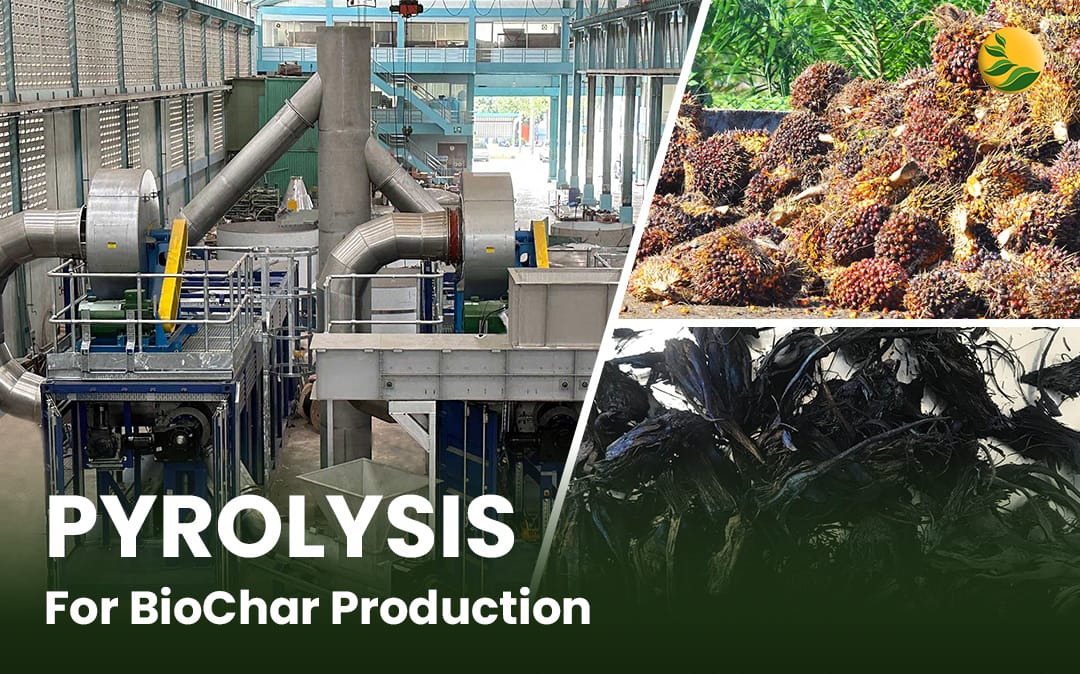
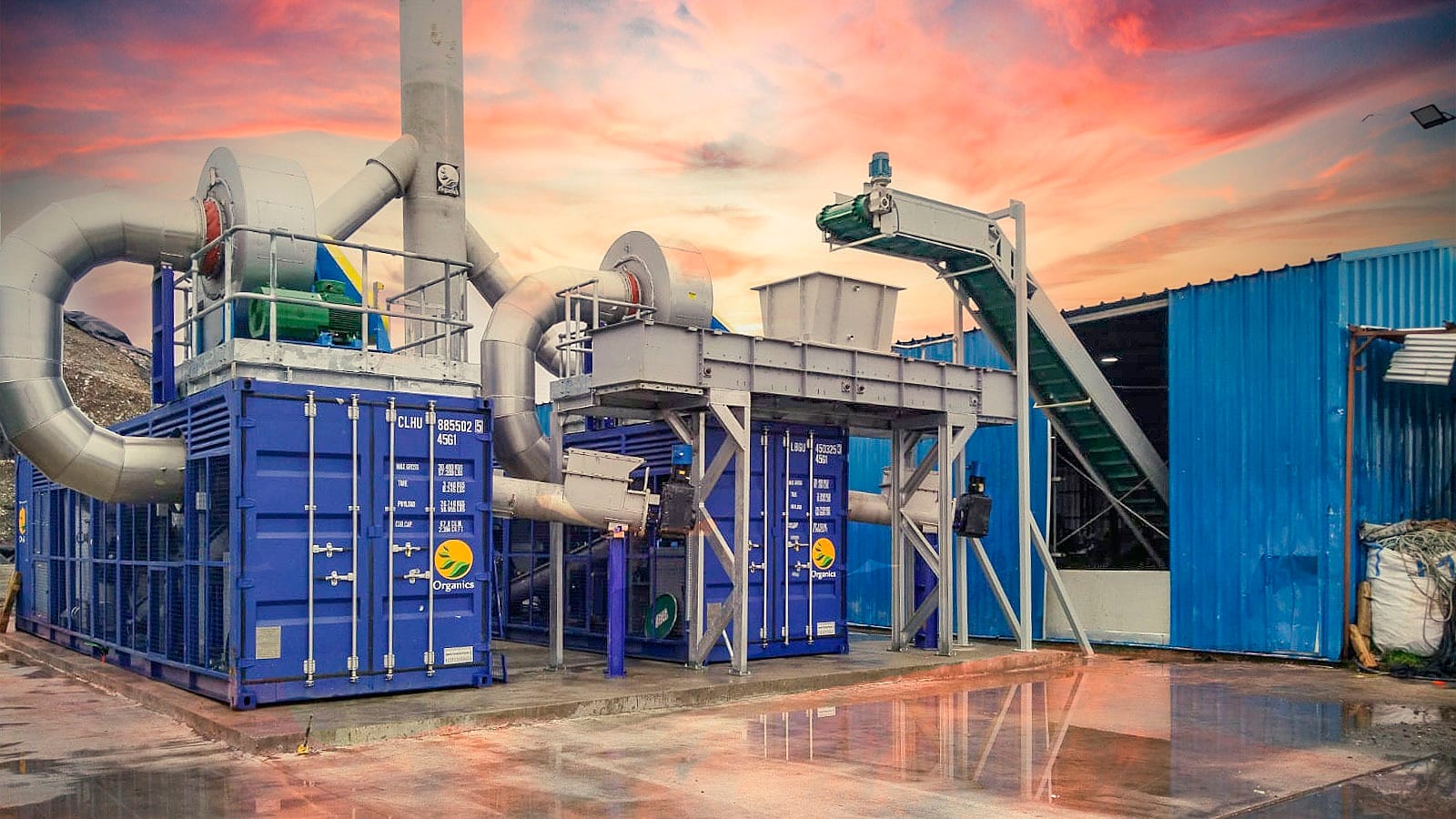
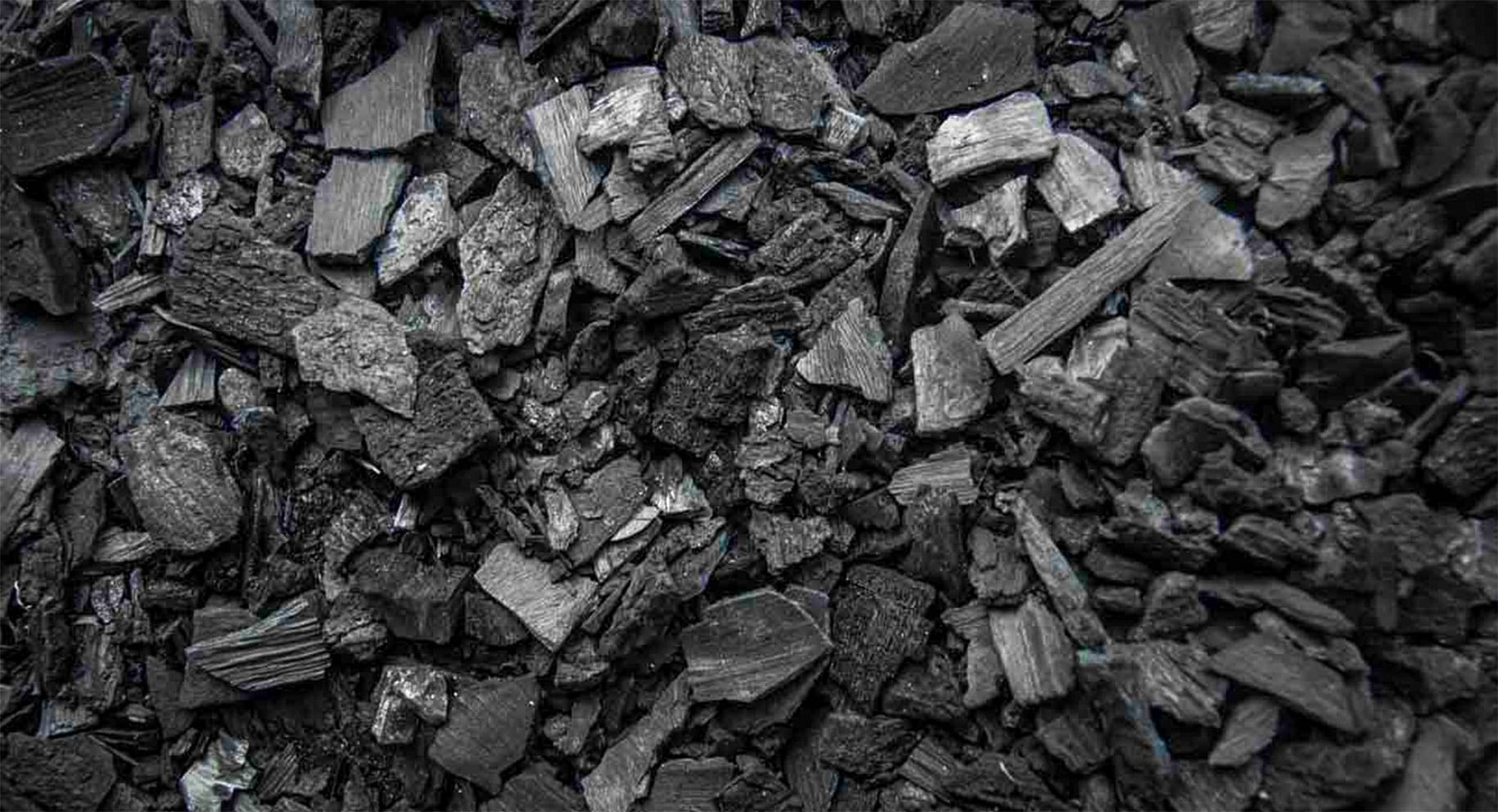
Pyrolysis technology, involving the thermal decomposition of organic materials, is another promising area for waste-to-energy conversion. Pyrolysis plants can complement biogas systems by converting solid organic waste into biochar, syngas, and bio-oil, providing additional renewable energy sources and reducing overall waste

Pyroclast is one of the in-house design originated from Organics Group that has proven to be beneficial for power production, that has been implemented in Chille.
Conclusion

Biogas systems offer a transformative approach to waste management and renewable energy production. By investing in biogas technology, companies and governments can achieve substantial long-term savings, reduce greenhouse gas emissions, and promote sustainable energy solutions. The economic impact and ROI of biogas systems make them a valuable investment for a cleaner, greener future.

Key Takeaways 

  • Green Energy Solutions: Biogas systems provide renewable energy, reducing reliance on fossil fuels.
  • Sustainable Energy: Investing in biogas technology supports sustainable development and environmental sustainability.
  • Economic Benefits: Long-term savings and revenue generation from biogas and byproducts offset initial investment costs.
  • Environmental Impact: Significant reduction in greenhouse gas emissions and carbon footprint.
  • Waste Management: Efficient conversion of organic waste into valuable energy resources and fertilizers.

Contact Us

For more information on biogas technology and how it can benefit your organization, contact our sustainable energy consulting team today. Embrace green innovation and transform your waste management strategy with cutting-edge biogas solutions.
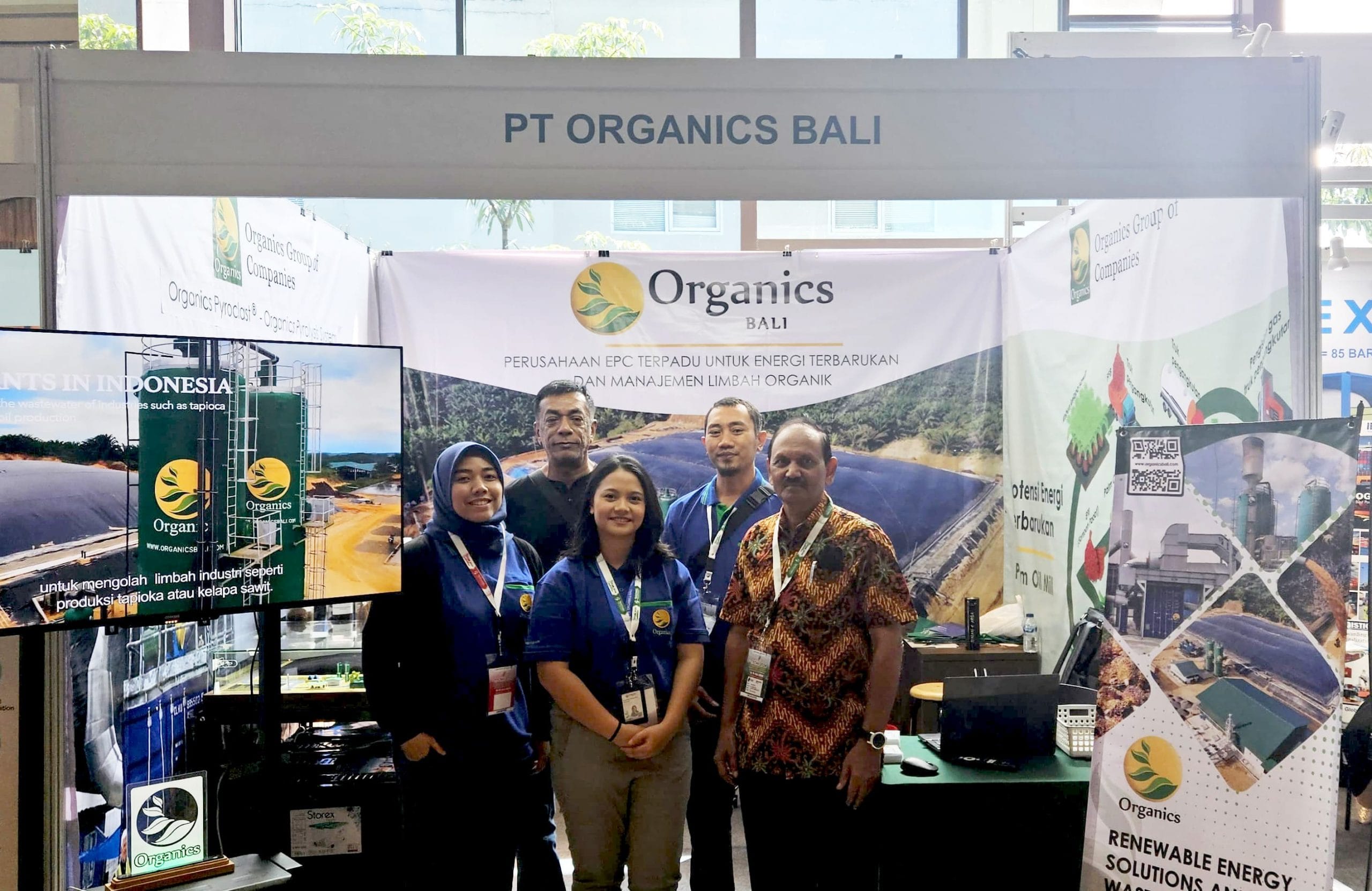
organics bali team bandung
Anaerobic Digester: Transforming Waste Management and Renewable Energy Solutions in Indonesia

Anaerobic Digester: Transforming Waste Management and Renewable Energy Solutions in Indonesia

Written by Angelina Desandra

Anaerobic digestion is a pivotal process in sustainable waste management and renewable energy production. This article explores the basics of anaerobic digestion, its role in transforming waste into valuable resources, and the environmental benefits it offers.

Understanding Anaerobic Digestion 

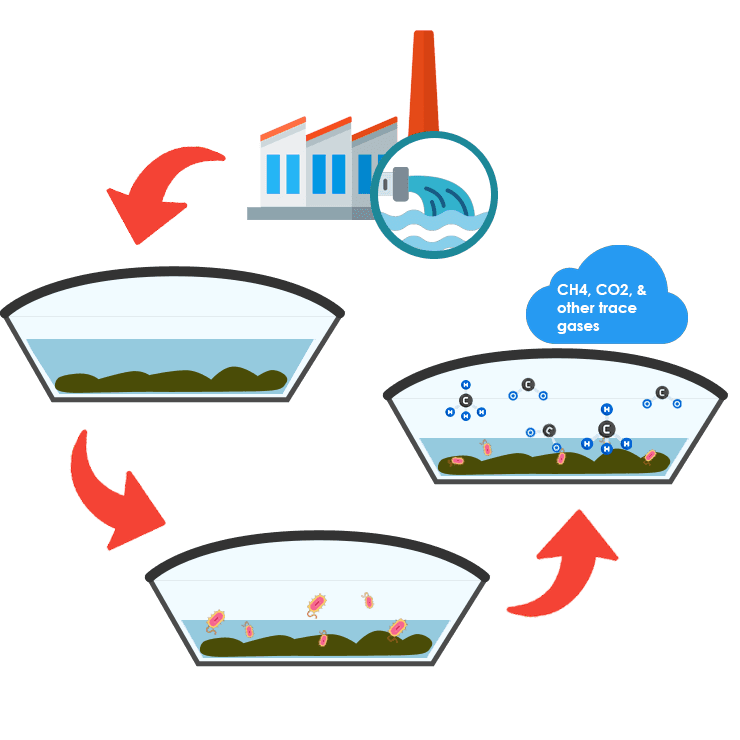
Anaerobic digestion (AD) is a key green energy solution that breaks down organic waste in an oxygen-free environment, producing biogas for heat and electricity. This process involves microorganisms that decompose organic materials, such as agricultural waste, manure, municipal waste, plant material, sewage, green waste, and food waste. The resulting biogas primarily contains methane (CH4) and carbon dioxide (CO2), along with traces of other gases.

The versatility of biogas makes it a valuable energy source. It can be used in combined heat and power (CHP) systems to generate both electricity and heat, or it can be upgraded to biomethane for injection into the natural gas grid or used as vehicle fuel. This renewable energy solution supports sustainable energy, reduces carbon footprints, and promotes waste-to-energy and zero-waste solutions.

The Process of Anaerobic Digestion

The AD process consists of four key steps :

  1. Decomposition (Hydrolysis): Plant or animal matter is broken down into usable-sized molecules like sugars, amino acids, and fatty acids. Hydrolytic bacteria play a crucial role in this stage by breaking down complex organic polymers.
  2. Acidogenesis: The products of hydrolysis are further broken down by acidogenic bacteria into volatile fatty acids, alcohols, carbon dioxide, hydrogen, ammonia, and other byproducts.
  3. Acetogenesis: Acidogenesis products are converted into acetic acid, along with additional ammonia, hydrogen, and carbon dioxide by acetogenic bacteria.
  4. Methane Production (Methanogenesis): Methanogenic archaea convert the acetic acid and hydrogen into methane and carbon dioxide. This is the final stage of anaerobic digestion where the biogas is produced.

Organics Group – Anaerobic Digester

Organics offers a number of anaerobic digestion systems suitable for varying feedstocks and specific operating conditions.

We offers a comprehensive end-to-end service for the design and implementation of anaerobic systems for use on a variety of wastewater from industrial processes.

Importance in Waste Management

Integrating anaerobic digestion into waste management provides numerous benefits. It converts organic waste into energy resources, supporting sustainable energy solutions. This process also significantly reduces greenhouse gas emissions and landfill usage, addressing critical waste management challenges. For example, methane emissions from landfills are a significant contributor to global warming, and capturing this methane through AD mitigates its impact on climate change.

Additionally, the digestate, a byproduct of AD, can be used as a nutrient-rich fertilizer, closing the loop in organic waste recycling and supporting agricultural sustainability. This helps reduce the reliance on chemical fertilizers, which have their own environmental and economic costs.

Environmental Benefits

  1. Green Energy Solutions: Anaerobic digestion produces renewable energy by generating biogas, which can be used for electricity, heat, and fuel, supporting sustainable energy transitions.
  2. Reduction in Greenhouse Gas Emissions: Capturing methane through anaerobic digestion mitigates climate change and improves air quality by preventing methane release into the atmosphere.
  3. Biomass Conversion and Biogas Production: This process converts biomass into biogas for use as fuel or for electricity generation, providing reliable renewable energy through biomass and biogas plants.
  4. Support for Circular Economy Solutions: Anaerobic digestion promotes resource efficiency and sustainability by converting waste into valuable resources, aligning with circular economy principles.
  5. Reduction of Carbon Footprint: By transforming waste into renewable energy, anaerobic digestion significantly reduces carbon footprints, aiding companies in implementing green technology solutions and minimizing environmental impact.

Applications in Indonesia

In Indonesia, the potential for anaerobic digestion is vast. The country’s abundant organic waste, particularly from the palm oil industry, provides substantial feedstock for biogas production. Indonesia is the world’s largest producer of palm oil, and the industry generates large quantities of organic waste, including palm oil mill effluent (POME) and empty fruit bunches (EFB).

Renewable energy projects in Indonesia increasingly focus on biogas technology and biomass energy, promoting sustainable development and reducing fossil fuel reliance. For example, many palm oil mills have adopted AD technology to treat POME, producing biogas that can be used to generate electricity and heat for mill operations. This not only reduces the environmental impact of palm oil production but also provides a renewable energy source.

Furthermore, small-scale biogas plants are being implemented in rural areas to manage livestock waste and produce biogas for cooking and lighting, improving energy access and reducing indoor air pollution from traditional biomass stoves.

Conclusion

Anaerobic digestion represents a transformative approach to waste management, offering significant environmental benefits and supporting the transition to renewable energy. By leveraging this technology, we can achieve substantial reductions in greenhouse gas emissions, enhance energy efficiency, and promote sustainable development. Embracing innovative solutions like anaerobic digestion is key to a cleaner, greener future.

Contact us to learn more about our Anaerobic Digester solutions and how they can benefit your waste management needs.

Work With Experts in Waste to Energy Project – Contact Us Now!

Work With Experts in Waste to Energy Project – Contact Us Now!

The Use of Biogas as an Alternative Energy Supply in Indonesia

The Use of Biogas as an Alternative Energy Supply in Indonesia

With global consumption continuing to increase, there is a concomitant thirst for power to fuel demand. But if met by fossil fuel, the price paid might just cost the earth. What then are the options for fuelling the future in a way that ensures there is one?

For many years now, renewable energy has been developed in projects around the globe; this to the point that renewable energy is now cheaper than conventionally produced power. This, of course, has the added benefit of avoiding the liberation of carbon that has been locked up for millennia.

Over the last thirty years, the use of biogas as a renewable fuel source has not only become a well-understood field of expertise, but it has also become an attractive investment as it fulfils many of the criteria laid down by the growing body of legislation designed to meet International targets of reducing GHGs (Green House Gases).  Even with the persistence of climate scepticism on the part of some influential legislators, momentum, in terms of transposing the basis of our base energy supply, appears to be unstoppable. Biogas, and its use as a viable fuel, offers as small but important component within the armoury of weapons being deployed against climate change.

Biogas_Power Generation

In Indonesia, the reliance on fossil fuels to meet the burgeoning domestic energy demand has made it amongst the world’s largest greenhouse gas emitters. Following ratification of the Paris Agreement, Indonesia indicated that it would be targeting a 26% and 29% GHG emission reduction rate by 2020 and 2030 respectively. This, unfortunately, is some way from being achieved as, over the past five years, energy generation using coal has increased by around 12.2 GW. This compares with only 1.6 GW of renewable energy, and planned capacity additions for renewables have been slashed in favour of coal.

However, as is well documented, with increased demand, there is increased waste, and Indonesia is no different to other countries. Indonesia produces large amounts of organic waste material, mostly food waste, that is currently being underutilised or simply dumped. There is little doubt that biogas generated from this material would offer significant environmental and social benefits, not only as a locally generated energy source but also as a field of technical development and employment throughout Indonesia. Because of the level of accumulated technical experience in developing biogas to energy plants, this type of project can be thought of as ‘low-hanging-fruit’ in terms of the development of viable renewable energy strategy.

The production of waste organic material is only set to increase, and it has been estimated that about 9,597 Mm3/year of biogas could potentially be generated from animal waste alone in Indonesia, a production that could be utilized to generate enough electric power to supply the energy demands of several thousand homes throughout Indonesia.

Biogas Production in Indonesia

Biogas Production in Indonesia

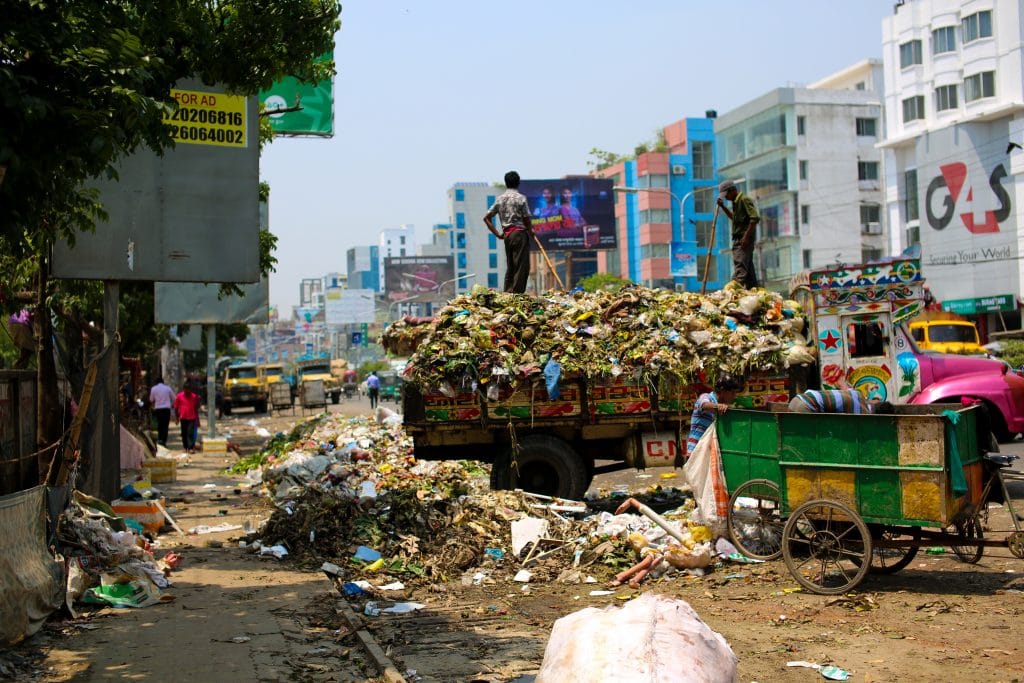
Indonesia produces large amounts of organic waste that, to avoid environmental contamination, must be carefully managed. Currently, most of this material is viewed as just that, waste. The reality is that it is a resource that is being overlooked and underutilised, or put simply, dumped.  

After Saudi Arabia, Indonesia’s population is the second largest organic waste generator in the world, with over 60% of solid waste being food. In terms of agriculture, it has been estimated that from animal waste alone, around 10,000 MNm3/year of biogas, enough to generate up to 1.7 x 10⁶ kWh/year of electrical energy, could potentially be produced from this waste. If biogas from the treatment of the effluent from the production of palm oil and cassava are included into the mix, the potential for power generation and the displacement of fossil fuel energy sources increases by a further 1,800 MWh/year.  

organic waste

Indonesian agroindustry generates significant quantities of organic waste. In many cases, this waste is viewed as a commercial disincentive in that disposal routes which result in an operational loss continue to be employed. The organic fraction of landfill, sewage sludge, and effluent from palm oil and cassava mills are also waste streams that, instead of representing a cost centre, should be viewed as an additional value stream for any business whose main activity is not waste management. 

Anaerobic digestion is a tried and tested technology that can be adapted to handle large or small volumes of material and has successfully been deployed in many projects around the world. It is rapidly becoming the preferred technology for providing a solution as to how to manage the considerable volumes of organic material whose current destination terminates in landfill, a disposal method that is quickly becoming the trademark of a society that does not appreciate the value of their own resources. Of course, anaerobic digestion of organic waste is not only a way to manage waste and reduce contamination, it is, as has been pointed out above, also a mechanism in which significant quantities of biogas can be produced

anaerobic digestion for biogas in Indonesia

Agriculture, and industries allied to it are the main potential beneficiaries of the implantation of anaerobic digestion as a mechanism for large-scale treatment of organic waste and the conversion of what is generally considered to be a problem into a resource. The biogas produced can be collected and cleaned, then used as an alternative to fossil fuel, the digestate can be further processed to be used as a fertilizer and the treated water from an anaerobic reactor, once it has been treated to comply with the discharge consent, can be released to the watercourse. 

Although important in this sense, anaerobic digestion is not merely a mechanism to benefit only the shareholders of the enterprise by recovering value from the waste stream of any given industry, it is also a mature technology designed to avoid contamination and improve the public perception of the project, a commercial strategy that will, ultimately, result in increased sales from consumers who demand environmental responsibility.  

The Production of Biogas from Palm Oil Plants in Indonesia Using Lagoon Technology

The Production of Biogas from Palm Oil Plants in Indonesia Using Lagoon Technology

Biogas production in Indonesia is an increasingly important and attractive option both for reducing the operating costs of industrial plants and for reducing greenhouse gases to the environment. In particular, palm oil mills generate large amounts of both solid and liquid wastes, and it is the effluent, or POME, that has been singled out by the operators as the most expensive and difficult to manage.

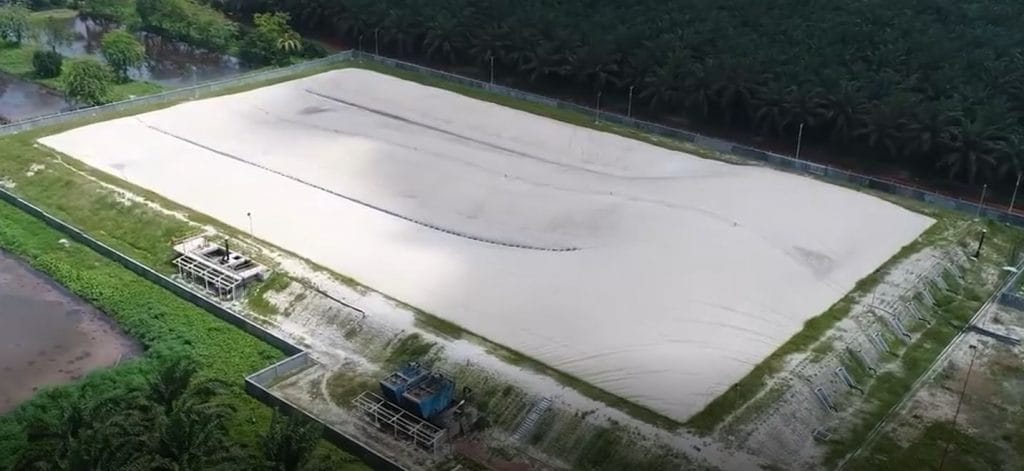
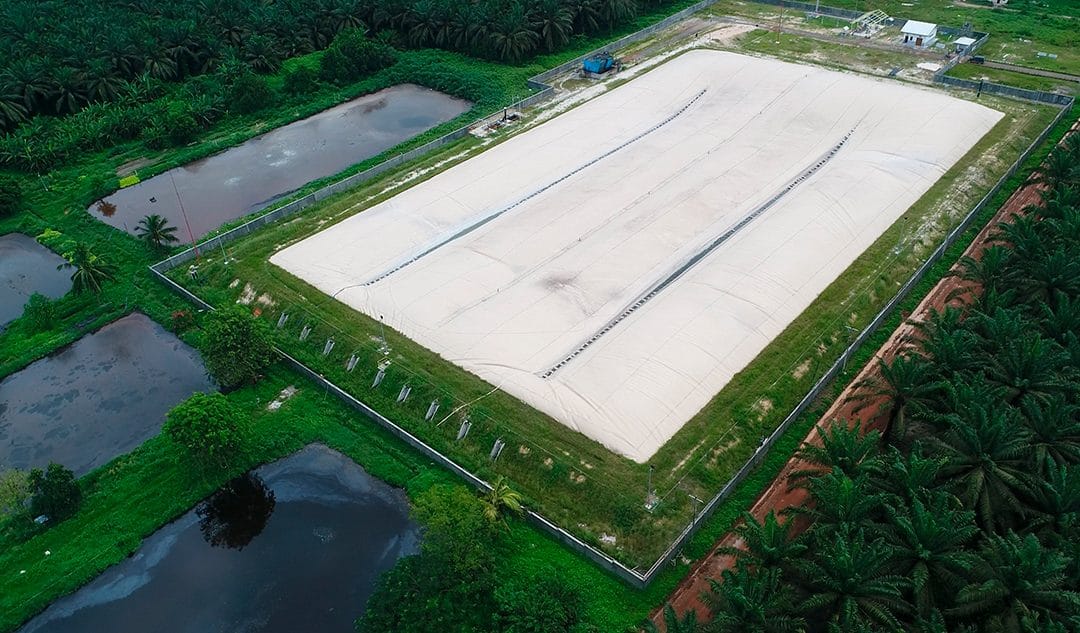
The normal method of dealing with the large volumes of effluent resulting from such operations is that of capturing the effluent in a covered lagoon. Palm oil mill effluent lagoons can be converted into efficient anaerobic digestors that not only reduce the organic loading of the effluent but can also produce commercial quantities biogas for on-site power generation or for export to the national grid.

Palm oil production relies heavily on the use of water with about 0.5-0.75 tonnes of POME being generated for every tonne of fresh fruit bunch (FFB) processed. If released directly to the environment, raw POME depletes water bodies of oxygen and kills aquatic life. Added to this, in Indonesia, palm oil mills have been cited as being a significant source of uncontrolled methane release to the environment. If this is extrapolated across an increasingly important global industry it is clear that palm oil production, apart from the bad press the industry has even before pollution is considered, constitutes a major contributor to the balance of global warming gas emissions.

covered lagoon at sinarmas for biogas

The principal characteristics of POME are the high levels of COD and BOD entrained within it. Anaerobic digestion, and the production of biogas involves the breakdown of organic material in an oxygen-free environment. Under anaerobic conditions, methanogenic bacteria flourish, and both COD and BOD are significantly reduced at the same time as commercially significant quantities of methane gas is produced. For this reason, anaerobic digestion has been increasingly employed for the treatment for wastewater, as the methane produced can not only be used to generate power but also the reduction of greenhouse gases can be used as a mechanism for carbon offsetting.

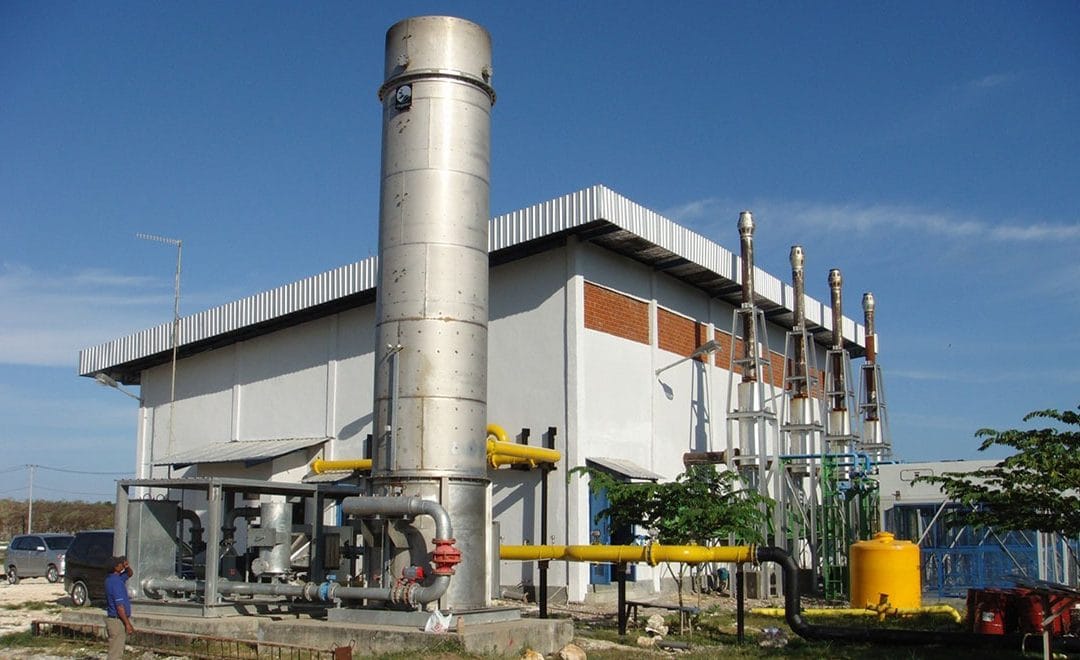
In the production of biogas from POME, anaerobic digestion equipment consists, in simple terms, of an anaerobic reactor volume, a gas holder to store the biogas a mechanism to clean the gas of highly toxic elements such as H2S and, if electricity is to be produced, a biogas-fuelled engine and generator set.

Organic waste is broken down in the anaerobic digestion reactor, with up to 60% of this waste being converted into biogas although it is important to stress that the rate of breakdown depends on the nature of the waste, the reactor design, and the operating temperature.

The process of anaerobic digestion (AD) for biogas production consists of three principal steps. In the case of POME, the first step is the decomposition (hydrolysis) of organic matter. This step breaks down the organic material to usable-sized molecules such as sugar. The second step is the conversion of decomposed matter to organic acids. Finally, the acids are converted to methane gas. Process temperature affects the rate of digestion and, in order to avoid process interruption, it should ideally be maintained in the mesophillic range (30ºC to 35ºC).

Palm oil production is an important commercial activity. However, in order to ensure that the economic viability is optimised, it is incumbent on producers to engage in the development of sustainable practices that also ensure environmental protection. By using techniques that can convert waste material into an economic resource whilst also reducing the environmental impact, there is little reason why palm oil cannot be perceived as being a benefit both to the local community and to humanity rather than a liability.